





- Haunted attractions serve as unconventional catalysts for economic activity in post-industrial neighborhoods.
- These venues foster local entrepreneurship and community partnerships, enhancing social cohesion.
- Urban renewal tied to haunted attractions illustrates a blending of entertainment with targeted redevelopment strategies.
- The long-term sustainability of such initiatives depends on integrating cultural heritage with diverse economic planning.
What happened
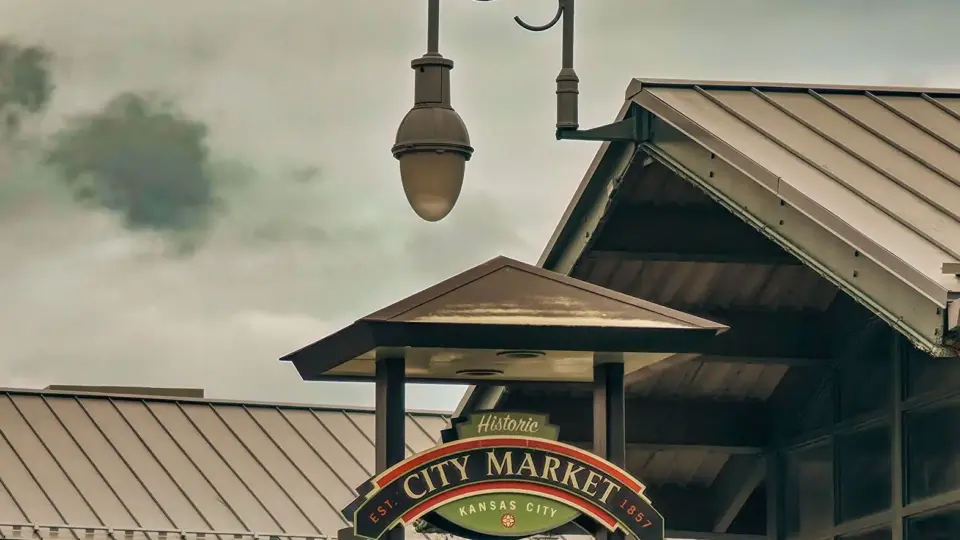
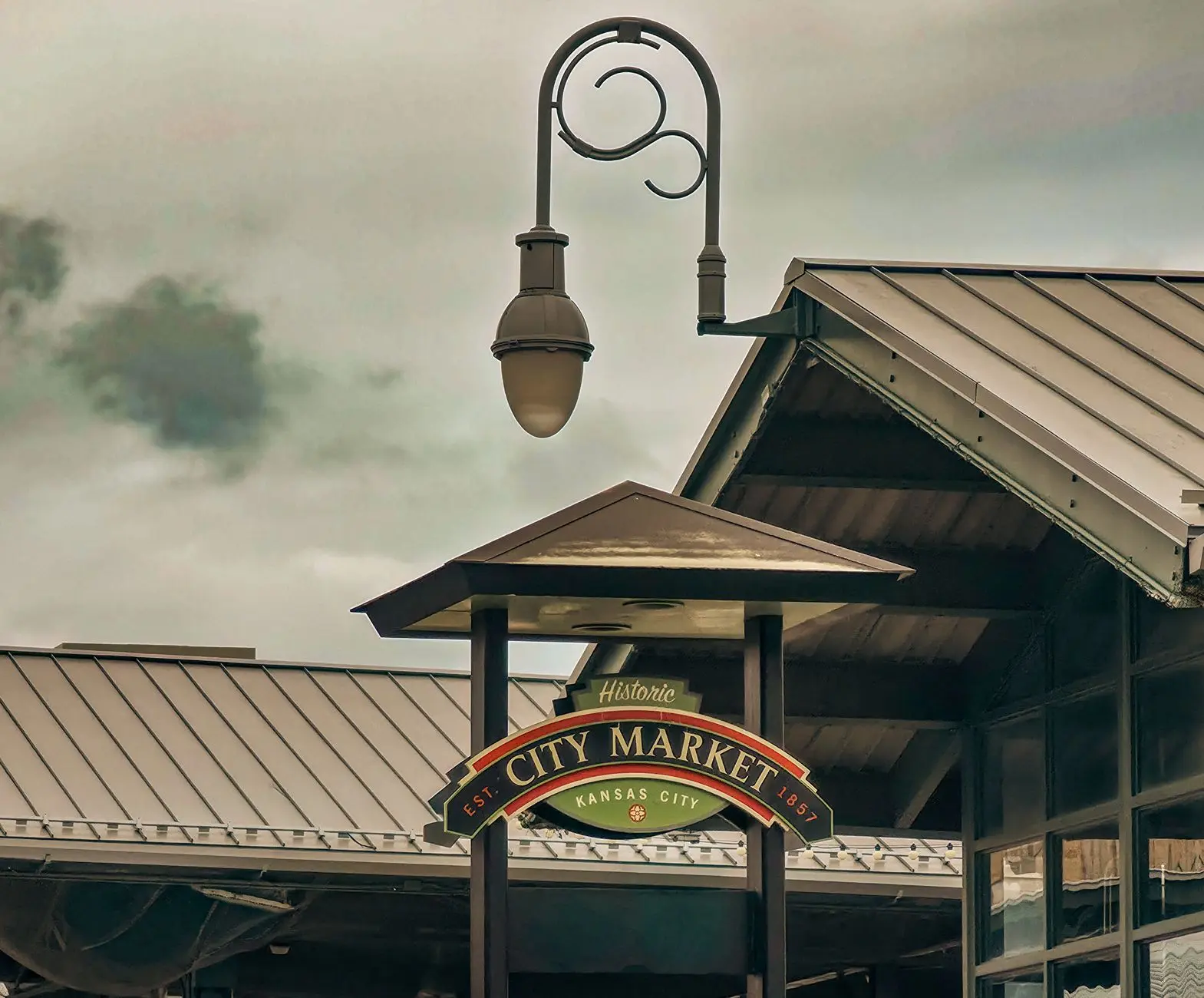
In several post-industrial American cities including Baltimore, Kansas City, and Salt Lake City, haunted attractions have emerged as unexpected agents of urban renewal. Once-derelict neighborhoods, marked by economic decline and population loss, are witnessing an influx of visitors drawn by seasonal and year-round immersive horror-themed experiences. These venues range from elaborate haunted houses to interactive ghost tours, often situated in historically neglected or architecturally significant districts. The resulting foot traffic is generating new commercial opportunities, encouraging small business development, and sparking community-led initiatives aimed at broader neighborhood revitalization.
Why it matters
The significance of haunted attractions lies in their ability to activate underutilized urban spaces without the heavy capital outlays typical of large-scale redevelopment projects. By leveraging cultural and architectural assets through a niche entertainment format, these attractions create a distinct draw that can diversify local economies. This model challenges conventional approaches to urban renewal that often rely on retail chains or gentrification-driven housing projects, offering a more grassroots and culturally resonant alternative. Furthermore, the participatory nature of haunted experiences promotes community engagement, which is critical for sustainable urban regeneration.
Industry context
The entertainment and leisure industry has increasingly intersected with urban development strategies, particularly in cities grappling with post-industrial decline. Haunted attractions, as a sub-sector of experiential entertainment, have gained traction due to their relatively low barrier to entry and scalability. Unlike traditional amusement parks, these venues often repurpose existing buildings, thereby reducing environmental impact and preserving local heritage. Their growth coincides with broader trends in urban tourism, where authenticity and unique cultural experiences command premium attention. However, the integration of haunted attractions into urban economies remains uneven, shaped by factors such as municipal support, zoning regulations, and the availability of historic infrastructure.
Analysis
The success of haunted attractions as urban renewal tools hinges on several intertwined dynamics. First, the economic mechanism at work involves seasonal spikes in demand that translate into year-round benefits through ancillary business development—cafés, retail shops, and event spaces. This creates a micro-economy that, while initially niche, can stabilize and expand over time. Second, these initiatives often rely on local entrepreneurs who bring intimate knowledge of the neighborhood’s cultural fabric, enabling authentic storytelling that resonates with both residents and visitors. Third, municipal policies that facilitate adaptive reuse of buildings and provide logistical support play a critical role in sustaining momentum. However, challenges remain in balancing commercial interests with community preservation, as rapid popularity can lead to displacement pressures and cultural dilution.
What to watch next
Future developments will likely focus on how haunted attractions can be integrated into larger urban planning frameworks. Monitoring shifts in municipal investment priorities, especially in cities experimenting with mixed-use revitalization strategies, will be instructive. The potential expansion of haunted attractions beyond seasonal events into permanent cultural landmarks poses questions about scalability and inclusivity. Additionally, attention should be paid to how these venues navigate socioeconomic tensions inherent in gentrification debates, ensuring that benefits accrue equitably. Finally, the evolving consumer appetite for immersive experiences will shape the form and function of these attractions, potentially influencing broader patterns of urban cultural consumption.
Ask AI about this story
Answers are based on this article and SN Media’s related coverage. AI can make mistakes.
Frequently asked questions
How are haunted attractions contributing to urban renewal in post-industrial cities?
Haunted attractions attract visitors to neglected neighborhoods, generating foot traffic that supports new commercial opportunities, small business development, and community-led revitalization efforts.
Why are haunted attractions considered a different approach to urban redevelopment?
They leverage cultural and architectural assets through niche entertainment with lower capital costs than large projects, promoting grassroots engagement rather than relying on retail chains or gentrification-driven housing.
What factors influence the success of haunted attractions in urban renewal?
Key factors include seasonal demand creating year-round economic benefits, involvement of local entrepreneurs with cultural knowledge, and supportive municipal policies for adaptive reuse and logistics.
What challenges and future considerations are associated with haunted attractions as tools for urban renewal?
Challenges include balancing commercial growth with community preservation to avoid displacement and cultural dilution; future considerations involve integration into urban planning, scalability, inclusivity, and managing socioeconomic tensions related to gentrification.
Continue the story
 BACKGROUND · How we got here
The Rise of Mega-Scale Retirement Communities and Their Impact on Municipal Bond Markets
- BACKGROUND · How we got here The Rise of Niche Debt Financing in Mega Corporate Real Estate Projects
- BACKGROUND · How we got here Impact of Rising Bond Yields on Urban Infrastructure Financing
- BACKGROUND · How we got here The Economic Fallout of US Tariffs on Small Canadian Towns
- BACKGROUND · How we got here The Untaught Art of Restaurant Longevity: Lessons from a Chicago Institution