








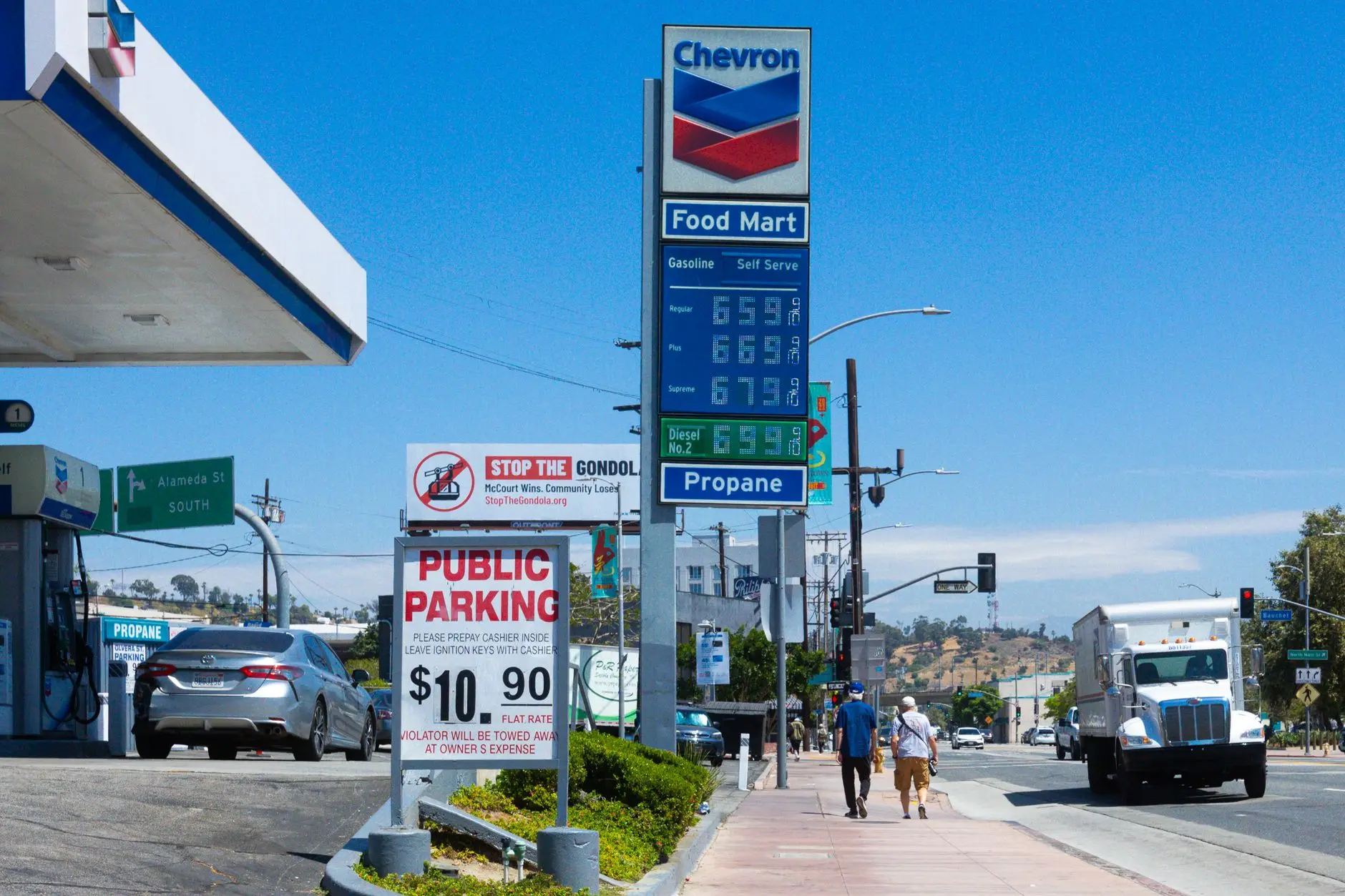
- Diesel prices in the US have fallen below $6 per gallon, marking a significant decline from mid-2026 highs.
- Lower diesel costs reduce transportation and production expenses, directly influencing inflation metrics.
- Energy cost relief may alleviate supply chain bottlenecks, but broader inflationary trends remain influenced by complex factors.
- Monitoring diesel price trends will be crucial for anticipating shifts in consumer prices and monetary policy responses.
What happened
Diesel fuel prices in the United States have declined below the $6-per-gallon threshold, a notable decrease from the peaks observed earlier in 2026. This drop comes amid shifts in global energy markets, easing demand pressures, and changes in geopolitical dynamics impacting oil supply chains. The fall in diesel prices is not isolated; it reflects a convergence of factors including moderated crude oil costs, increased refining capacity, and seasonal demand fluctuations that typically influence fuel pricing. This price movement carries implications beyond the energy sector, directly affecting transportation, manufacturing, and logistics costs nationwide.
Why it matters
Diesel is a pivotal input for a wide array of economic activities—particularly freight transport, which underpins the distribution of goods across the country. Since diesel fuel costs constitute a substantial portion of operating expenses for trucking companies, rail freight, and various industrial processes, reductions in its price have the potential to ease inflationary pressures. Lower fuel costs can translate into reduced shipping charges and production expenses, which, if passed on, might temper price increases on consumer goods. Given the recent concerns over sustained inflation, this development offers a tangible pathway toward alleviating cost-push inflation, especially in sectors sensitive to energy inputs.
Industry context
The transportation and manufacturing industries are especially exposed to diesel price volatility. Trucking, responsible for moving nearly 70% of freight tonnage by value in the US, directly experiences cost fluctuations tied to fuel prices. Manufacturing sectors reliant on diesel-powered logistics or on-site energy consumption similarly feel the impact. Since mid-2020, global supply chains have been strained by a combination of pandemic-related disruptions, labor shortages, and energy price shocks. High diesel prices exacerbated these challenges by increasing operational costs and limiting capacity expansion. The current downward trend in diesel costs could signal a partial easing of these pressures, but it exists alongside persistent inflation drivers such as labor market tightness and raw material scarcity.
Analysis
The decline below $6 per gallon in diesel prices suggests a recalibration of energy cost structures that could ripple through the inflation landscape. However, the transmission of lower fuel costs to consumer prices is neither immediate nor guaranteed. Carriers might initially absorb savings to rebuild margins eroded during high-price periods, and contract structures in freight and manufacturing can delay cost pass-through. Moreover, diesel’s share in total inflation is just one component of a multifaceted price system influenced by wages, housing, and services. Central banks scrutinize energy price trends closely, as sustained declines can influence monetary policy decisions by reducing headline inflation. Yet, the persistence of supply-side constraints in other domains tempers expectations of a swift decline in overall inflation.
What to watch next
Future diesel price trajectories will be shaped by global crude oil market dynamics, including OPEC+ production decisions, geopolitical tensions, and demand patterns in major economies such as China and the EU. Domestically, infrastructure developments, regulatory changes in emissions standards, and shifts towards alternative energy sources will also affect diesel consumption and pricing. Monitoring freight rate indices and manufacturing cost reports can provide early signals of inflationary shifts related to fuel costs. Additionally, Federal Reserve communications and inflation data releases in the coming months will reflect how these changes integrate into broader economic conditions. Understanding the interplay between diesel prices and inflation remains essential for policymakers, industry stakeholders, and market analysts alike.
Ask AI about this story
Answers are based on this article and SN Media’s related coverage. AI can make mistakes.
Frequently asked questions
What caused the recent drop in US diesel prices below $6 per gallon?
The decline results from a combination of moderated crude oil costs, increased refining capacity, seasonal demand fluctuations, shifts in global energy markets, easing demand pressures, and changes in geopolitical dynamics affecting oil supply chains.
How might lower diesel prices affect inflation in the US?
Lower diesel prices reduce transportation and production expenses, which can ease inflationary pressures by potentially lowering shipping charges and production costs; however, the pass-through to consumer prices is not immediate or guaranteed due to factors like contract delays and carriers rebuilding margins.
Which industries are most impacted by diesel price changes according to the article?
The transportation sector, especially trucking which moves nearly 70% of freight tonnage by value, and manufacturing industries reliant on diesel-powered logistics or on-site energy consumption are most exposed to diesel price volatility and its inflationary effects.
What factors will influence future diesel price trends and their impact on inflation?
Future diesel prices will be influenced by global crude oil market dynamics such as OPEC+ decisions and geopolitical tensions, domestic infrastructure and regulatory changes, shifts towards alternative energy, and demand patterns in major economies; these will affect how diesel costs translate into broader inflationary trends and monetary policy responses.
Continue the story
 BACKGROUND · How we got here
Economic Impacts of Falling Gasoline Prices on US Consumer Spending