








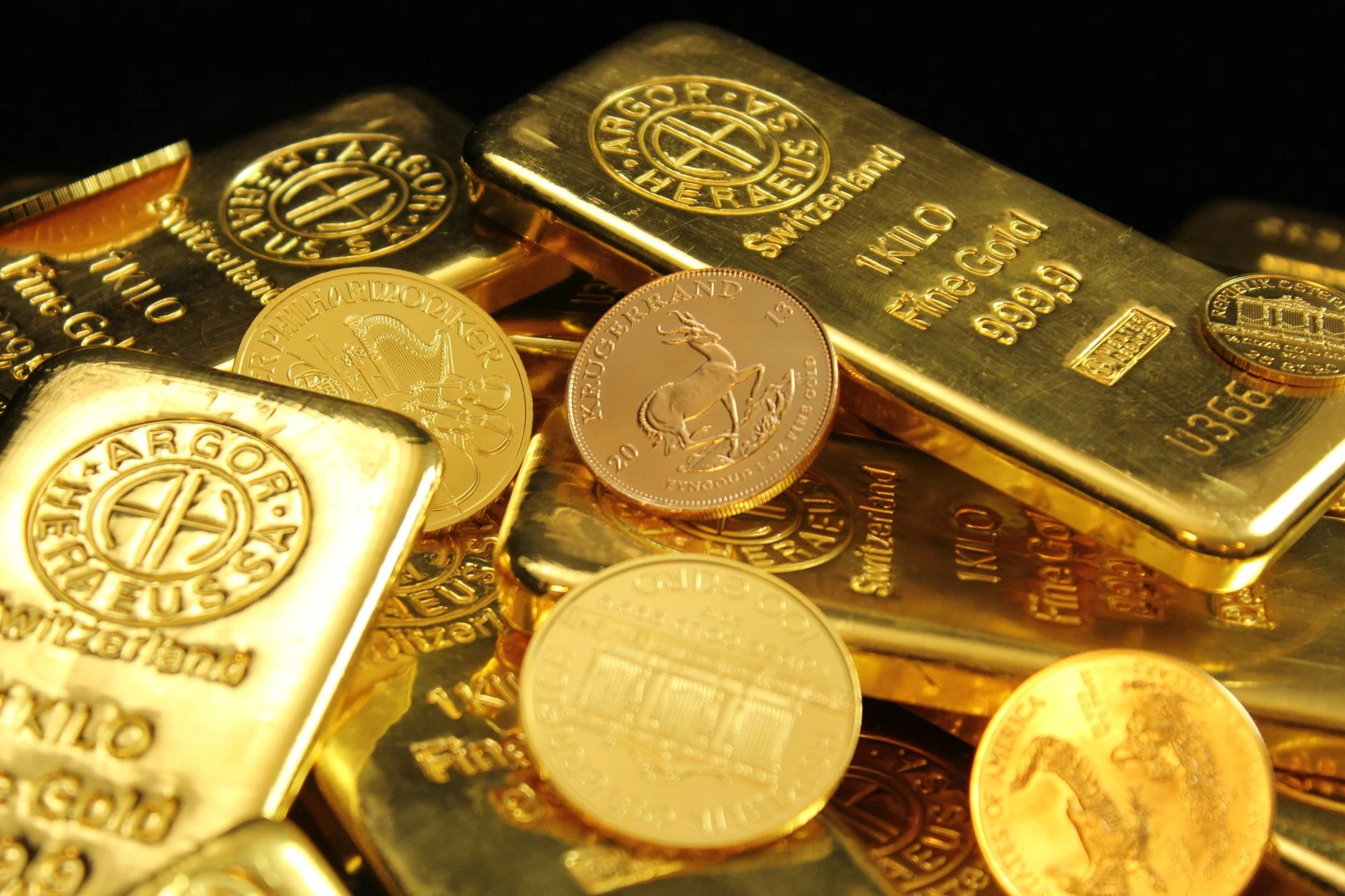
- Gold investors increasingly favor exotic options and spread strategies amid stable interest rates.
- These derivatives enable tailored risk exposure, reflecting nuanced market outlooks beyond simple spot or futures positions.
- The growth of exotic options signals evolving market sophistication and liquidity in the gold derivatives space.
- Regulatory frameworks and interdealer platforms are adapting to accommodate the rise in complex option structures.
What Happened
In recent months, a notable shift has emerged within the gold investment community, marked by a growing preference for exotic options and spread trades. Rather than relying solely on traditional spot purchases or straightforward futures contracts, investors have turned to more sophisticated derivatives—such as knock-in, knock-out, and barrier options—to capitalize on the ongoing, orderly rally in gold prices. This trend has coincided with a period of relatively stable borrowing costs, which reduces the incentive to hedge through interest rate-sensitive instruments, thereby increasing the appeal of customized option strategies that offer nuanced risk-reward profiles.
Why It Matters
The adoption of exotic options signifies a deeper evolution in how market participants approach gold exposure. These instruments allow investors to finely calibrate their positions in response to specific price trajectories, volatility expectations, and macroeconomic variables. This development not only enhances portfolio flexibility but also reflects a maturing derivatives market capable of supporting more complex risk management and speculative strategies. For institutional participants, the ability to structure bespoke exposure without committing large upfront capital or facing linear payoff constraints is particularly valuable. Moreover, the rise in exotic options usage affects liquidity distribution across different maturities and strike prices, thereby influencing price discovery and volatility patterns in the underlying gold market.
Industry Context
Historically, gold investment has been dominated by physical bullion holdings, exchange-traded funds (ETFs), and more straightforward futures contracts. However, the broader financialization of commodities has gradually introduced a wider array of derivative products. Interest rate volatility and central bank policies have typically played a significant role in shaping gold derivatives demand, given gold’s status as a non-yielding asset often compared to interest-bearing securities. The current macroeconomic environment—characterized by steady borrowing costs and a moderate inflation backdrop—reduces the impetus for traditional hedging via interest rate swaps or simple call and put options. Instead, market makers and sophisticated investors have expanded their toolkit to include exotic options that can express complex market views, such as conditional exposures to price thresholds or time-dependent payoffs.
Analysis
The increasing deployment of exotic options in gold trading reflects the interplay of several market forces. First, stable interest rates have diminished the cost of carry considerations, making it economically viable to maintain option structures with embedded barriers or contingent features. Second, advances in electronic trading and risk modeling have lowered operational barriers to pricing and managing these instruments. Third, a more diverse investor base—including hedge funds, commodity trading advisors, and central bank-related entities—seeks differentiated exposures that conventional derivatives cannot provide. The proliferation of these strategies also prompts liquidity providers to innovate in quoting practices and risk management, leading to tighter bid-ask spreads and more robust market depth. However, the complexity of exotic options demands sophisticated regulatory oversight and transparency to prevent systemic risks, especially given the potential for nonlinear payoffs to amplify losses under stressed conditions.
What to Watch Next
Market participants and regulators will be closely monitoring how the integration of exotic options influences gold price behavior and overall market stability. Key indicators include changes in open interest concentration across exotic strikes and maturities, shifts in implied volatility surfaces, and evolving liquidity metrics on interdealer platforms. Additionally, regulatory bodies may seek to refine reporting requirements or introduce guidelines to enhance transparency around complex derivatives trading. From a strategic perspective, investors might explore whether these instruments continue to offer superior risk-adjusted returns compared to traditional gold exposure, especially as macroeconomic conditions evolve. The interplay between gold’s safe-haven appeal and the growing sophistication of derivative markets will remain a critical dynamic shaping the next phase of gold investment.
Ask AI about this story
Answers are based on this article and SN Media’s related coverage. AI can make mistakes.
Frequently asked questions
What types of exotic options are gold investors increasingly using?
Gold investors are turning to sophisticated derivatives such as knock-in, knock-out, and barrier options to gain tailored exposure beyond traditional spot or futures positions.
Why has there been a shift toward exotic options in the gold market recently?
This shift coincides with stable borrowing costs reducing the need for interest rate-sensitive hedges, making customized option strategies with nuanced risk-reward profiles more attractive.
How does the rise of exotic options affect the gold market's liquidity and price discovery?
The increased use of exotic options influences liquidity distribution across maturities and strike prices, thereby impacting price discovery and volatility patterns in the underlying gold market.
What challenges do exotic options present for regulators and market participants?
The complexity and nonlinear payoffs of exotic options require sophisticated regulatory oversight and transparency to prevent systemic risks, especially under stressed market conditions.
Continue the story
 LATEST
Legal Battle Over London Gold Market Rules: Implications for Global Bullion Trading
LATEST
Legal Battle Over London Gold Market Rules: Implications for Global Bullion Trading
- LATEST How Cross-Asset Hedging Is Reshaping Investment Strategies Amid Market Uncertainty
- LATEST Hong Kong’s Gold Hub Initiative: A Strategic Pivot in Global Commodities Trading
- LATEST How a Strong Dollar Shapes Federal Reserve Interest Rate Decisions
- LATEST How Rising Oil Prices Are Reshaping Global Inflation Expectations