








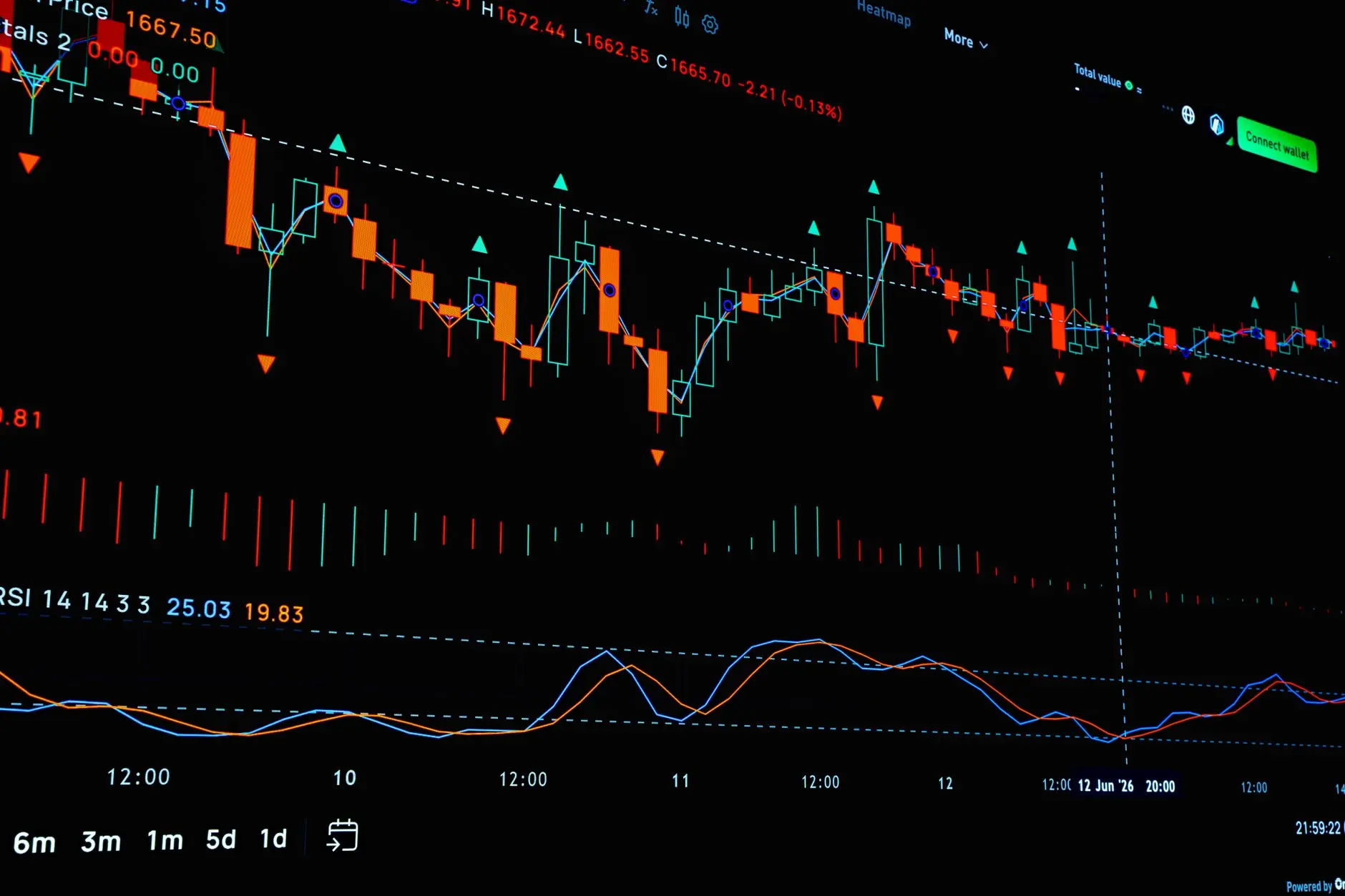
- Citigroup’s recent downgrade of US tech stocks reflects growing concerns over AI sector volatility and valuation risks.
- European equities are being favored for their more diversified exposure and lesser dependence on AI-driven growth narratives.
- Institutional strategies are shifting amid increasing regulatory scrutiny and uneven AI adoption across regions.
- These portfolio adjustments underscore a broader reassessment of risk and opportunity in the global equity landscape.
What happened
In a significant repositioning of equity market outlooks, Citigroup’s strategists recently downgraded US technology stocks while upgrading European equities. This recalibration followed a period of heightened turbulence within the artificial intelligence (AI) sector, which has been both a driver of rapid price appreciation and a source of increased volatility. The downgrade centers on concerns about stretched valuations in US tech companies heavily reliant on AI narratives and the potential impact of intensifying regulatory oversight. Conversely, European markets, characterized by more diversified industry bases and comparatively limited AI sector exposure, were upgraded as safer harbors amid uncertainty.
Why it matters
This shift signals a critical inflection point for global equity strategies, highlighting how AI’s disruptive influence is prompting investors to reconsider the risk-reward calculus across regions and sectors. US technology firms, once the primary beneficiaries of AI-driven optimism, now face headwinds from valuation corrections and regulatory pressures, which could temper growth expectations. Meanwhile, Europe’s relative detachment from the AI boom positions its equity markets as a counterbalance, offering more stable earnings prospects. For institutional investors managing large, diversified portfolios, such developments necessitate reevaluation of asset allocation strategies, potentially influencing capital flows on a global scale.
Industry context
The AI revolution has been a defining theme in equity markets over recent years, with US tech giants spearheading innovation and attracting disproportionate investor attention. This concentration has driven substantial market capitalization gains but also inflated valuations beyond traditional metrics. At the same time, governments worldwide are grappling with how to regulate AI technologies, balancing innovation incentives against risks such as data misuse and labor market disruption. Europe’s more cautious regulatory stance and slower AI adoption have resulted in less pronounced equity market exposure, but also in more measured growth profiles. The current environment reflects tensions between innovation-driven growth and the emerging need for regulatory frameworks, creating uneven opportunities and risks across markets.
Analysis
Citigroup’s strategy shift encapsulates the complex interplay between technological innovation, market sentiment, and regulatory dynamics. The downgrade of US tech stocks is not a dismissal of AI’s transformative potential, but rather a recognition of the limits posed by frothy valuations and the prospect of regulatory clampdowns, particularly in areas like data privacy and competition law. The resultant volatility exposes vulnerabilities in investment theses overly reliant on sustained rapid AI growth. In contrast, Europe’s upgrade highlights a strategic preference for stability and diversification. European companies often benefit from solid fundamentals and less speculative positioning, making them attractive under conditions of increased uncertainty. This repositioning also reflects broader risk management considerations: investors are looking to mitigate concentrated exposure while maintaining growth potential through geographic and sectoral balance.
What to watch next
Attention will focus on how regulatory developments unfold in both the US and Europe, especially regarding AI governance frameworks and their implications for corporate profitability. Market participants will also monitor earnings reports from leading tech firms for signs of sustainable AI-driven revenue growth versus short-term hype. Additionally, shifts in capital allocation by other major institutional investors could reinforce or counterbalance Citigroup’s stance, influencing market momentum. Finally, the trajectory of AI adoption in emerging markets remains an open question, with potential to further reshape global equity strategies as these economies navigate their own regulatory and technological challenges.
Ask AI about this story
Answers are based on this article and SN Media’s related coverage. AI can make mistakes.
Frequently asked questions
Why did Citigroup downgrade US tech stocks in their recent equity strategy update?
Citigroup downgraded US tech stocks due to concerns about high valuations driven by AI sector volatility and the potential impact of increasing regulatory scrutiny on these companies.
What reasons did Citigroup give for upgrading European equities?
European equities were upgraded because they have more diversified industry exposure and less dependence on AI-driven growth, making them comparatively more stable amid current uncertainties.
How is regulatory scrutiny influencing global equity strategies according to the article?
Regulatory scrutiny, especially around AI governance, is creating uneven risks and opportunities across regions, prompting investors to reassess asset allocations to balance innovation-driven growth with stability and risk management.
What future developments should investors watch in relation to AI and equity markets?
Investors should monitor regulatory developments in the US and Europe, earnings reports from major tech firms for sustainable AI revenue growth, capital allocation shifts by institutional investors, and AI adoption trends in emerging markets, which remain uncertain.
Continue the story
 LATEST
The AI Bubble Burst: What the Nasdaq 100’s Bear Market Means for Tech Investors