







- Heightened US-Iran tensions around the Strait of Hormuz are disrupting critical oil transit routes, elevating risks for global supply chains.
- Venezuela’s oil exports, constrained by sanctions and domestic challenges, are increasingly leveraged as a geopolitical tool amid shifting alliances.
- Global oil markets are experiencing amplified price volatility due to the confluence of Middle Eastern instability and Latin American supply uncertainties.
- Energy-importing countries face strategic dilemmas balancing security concerns with the need to diversify supply sources amid complex geopolitical fault lines.
What happened
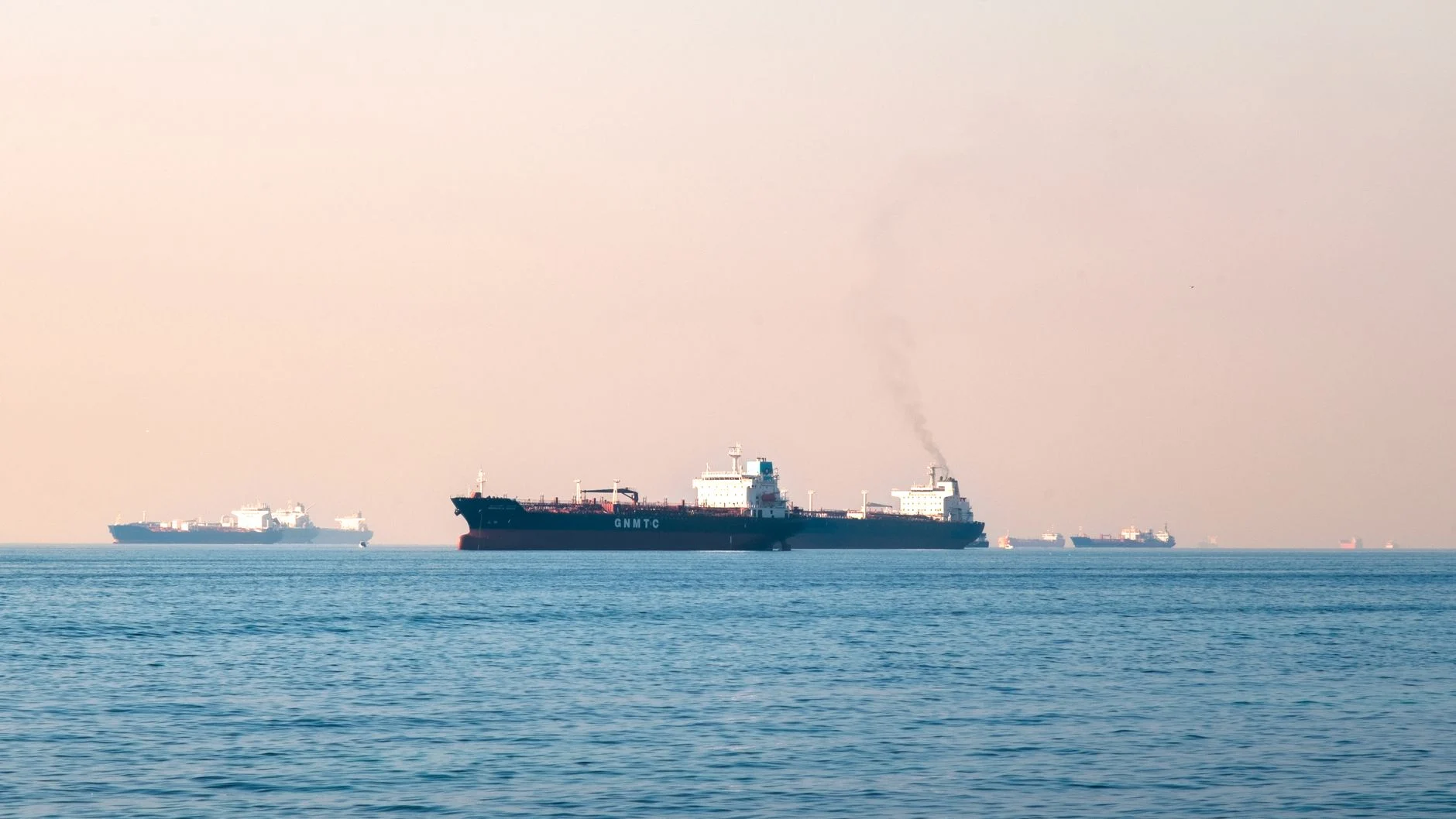
Recent escalations in hostilities between the United States and Iran near the Strait of Hormuz have intensified geopolitical risks surrounding one of the world’s most critical maritime chokepoints for oil transportation. This surge in tension has coincided with Venezuela’s ongoing attempts to sustain its oil export capacity despite stringent US sanctions and internal production difficulties. The intersection of these developments is reshaping global oil market dynamics, as disruptions in Middle Eastern flows increase demand for alternative supplies, while Venezuela’s political and economic instability limits its ability to fully capitalize on this opportunity.
Why it matters
The Strait of Hormuz remains indispensable to global energy security, with roughly 20% of the world’s traded petroleum passing through its narrow waters. Any threat to this corridor can precipitate rapid spikes in oil prices and disrupt supply chains. Concurrently, Venezuela holds the world’s largest proven oil reserves, positioning it as a potential alternative source amid Middle Eastern uncertainties. However, US sanctions aimed at curbing the Venezuelan regime’s revenue streams complicate the country’s capacity to influence global markets. The overlapping tensions underscore how geopolitical flashpoints can cascade across regions, impacting energy availability and economic stability worldwide.
Industry context
Oil markets have long been sensitive to geopolitical risk, particularly in regions where production and transit routes concentrate strategic vulnerabilities. The Middle East’s centrality to global oil supply makes the Strait of Hormuz a perennial source of concern for producers, consumers, and traders alike. Meanwhile, Venezuela’s oil sector has been debilitated by years of mismanagement, underinvestment, and sanctions, causing output to plummet from over 3 million barrels per day in the early 2010s to under 1 million barrels per day today. Despite this decline, Venezuela’s heavy crude remains crucial for refiners capable of processing it, often in Asia and the Caribbean, and the country’s alliances with nations like Iran and Russia further complicate the geopolitical calculus.
Analysis
The intensification of US-Iran confrontations near the Strait of Hormuz introduces heightened uncertainty into oil transit security. Iran’s capabilities to disrupt shipping lanes through asymmetric maritime tactics and missile threats amplify risk premiums embedded in oil futures. This environment incentivizes oil importers to seek diversification of supply, opening a window for Venezuela to partially fill the gap. However, Venezuela’s ability to expand exports is constrained by operational challenges, including decaying infrastructure and limited access to international financing and technology due to sanctions. The strategic alignment between Tehran and Caracas suggests a coordinated effort to circumvent US pressure, yet the practical impact remains limited by Venezuela’s production bottlenecks. Market reactions thus reflect a complex interplay between supply disruption fears and skepticism about Venezuela’s capacity to scale output meaningfully in the near term.
What to watch next
Market participants and policymakers should monitor developments in the Strait of Hormuz closely, particularly any incidents affecting tanker movements or escalating military engagement. Simultaneously, Venezuela’s oil production trends will provide critical signals about the feasibility of its role as an alternative supplier amid sanctions. The evolving diplomatic landscape—including US policy adjustments toward Iran and Venezuela—will also shape the extent to which these geopolitical risks translate into sustained market volatility or structural shifts in oil supply chains. Lastly, the responses of major consuming nations, particularly in Asia and Europe, regarding strategic petroleum reserves and supply diversification strategies will influence the global energy market’s resilience to these intersecting geopolitical pressures.
Ask AI about this story
Answers are based on this article and SN Media’s related coverage. AI can make mistakes.
Frequently asked questions
How are US-Iran tensions near the Strait of Hormuz affecting global oil markets?
The heightened hostilities increase risks to a critical oil transit route, raising uncertainty and risk premiums in oil futures, which contributes to global price volatility and prompts importers to seek diversified supply sources.
What role is Venezuela playing amid these geopolitical tensions?
Venezuela is positioned as a potential alternative oil supplier due to its large reserves, but its ability to increase exports is limited by sanctions, infrastructure decay, and production challenges, despite strategic alignment with Iran and Russia.
Why is the Strait of Hormuz so important in this context?
Approximately 20% of the worldu2019s traded petroleum passes through the Strait of Hormuz, making it a vital chokepoint whose disruption can cause rapid oil price spikes and supply chain disturbances.
What factors will influence future developments in this geopolitical and oil market situation?
Key factors include any incidents near the Strait affecting tanker security, Venezuelau2019s production trends under sanctions, changes in US policy toward Iran and Venezuela, and how major consuming countries manage reserves and diversify supplies.
Continue the story
 LATEST
Strategic Implications of Iran’s Firm Stance on the Strait of Hormuz
LATEST
Strategic Implications of Iran’s Firm Stance on the Strait of Hormuz
- LATEST The Geopolitical Stakes of Trump’s Venezuela Oil Deal Amid Production Challenges
- LATEST Global Fuel Supply Chains Under Strain: How Geopolitics Are Driving Diesel Prices Up
- LATEST How Falling Oil Prices Are Reshaping US Stock Market Sentiment
- LATEST How Rising Oil Prices Are Reshaping Global Inflation Expectations