








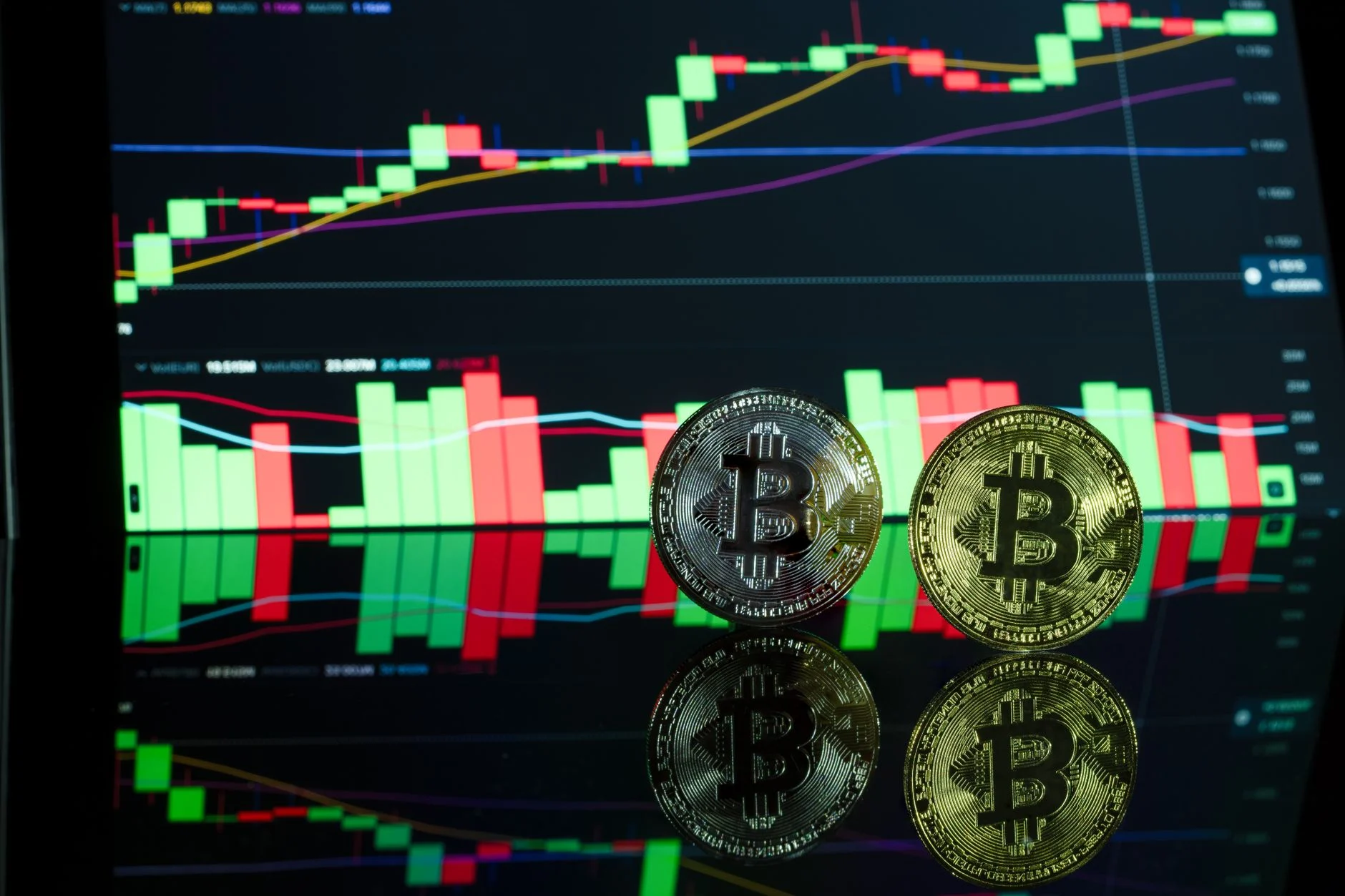
- Bitcoin’s recent short squeeze was triggered by a rapid price surge forcing leveraged shorts to cover positions.
- Forced liquidations amplified volatility and revealed vulnerabilities in derivative market structures.
- The event exposed the interplay between institutional trading algorithms and retail investor behavior.
- Subsequent price dynamics depend on the balance between speculative momentum and fundamental adoption signals.
The Mechanics Behind Bitcoin’s Record Short Squeeze
Bitcoin’s recent sharp rally culminated in one of the most significant short squeezes observed in its trading history. Over the course of several days, the cryptocurrency’s price leapt unexpectedly, triggering cascading liquidations among traders holding short positions on major derivatives exchanges. This forced many to unwind bets against the asset at a loss, fueling further upward price pressure. The dynamic was intensified by high leverage ratios common in the crypto derivatives market, where positions magnify exposure to relatively modest price changes.
What Happened
The short squeeze unfolded as Bitcoin’s price breached key technical resistance levels, prompting a swift reversal against a prevailing bearish sentiment. Short sellers, who had anticipated a price decline, found margin calls rapidly depleting their collateral. Automated liquidation engines on platforms such as Binance, Bybit, and FTX executed forced position closures, contributing to a feedback loop of buying activity. This cascade effect accelerated the rally, pushing Bitcoin’s price beyond levels defended by short sellers. The squeeze’s scale was unprecedented, with billions of dollars in short positions liquidated within hours.
Why It Matters
This event illuminates the structural susceptibilities inherent in Bitcoin’s trading ecosystem, particularly the concentration of leverage and the role of derivatives. The rapid unwinding of short positions not only amplified price volatility but also exposed how market stress can propagate through interconnected platforms. For investors and regulators, the squeeze underscores the challenge of managing systemic risks in largely unregulated digital asset markets. It also raises questions about market maturity, price discovery mechanisms, and the capacity of infrastructure to absorb sudden shifts in sentiment without destabilizing effects.
Industry Context
Bitcoin’s derivatives market has grown exponentially over the past decade, with perpetual futures and options now accounting for a significant share of trading volume. Leverage levels routinely exceed 20x, attracting speculative capital but also increasing the fragility of price stability. Institutional players and algorithmic traders dominate order books, often executing rapid-fire strategies that can exacerbate momentum moves. Meanwhile, retail participation remains substantial, driven by accessible margin trading and social media-driven narratives. Regulatory frameworks lag behind these developments, leaving exchanges to self-regulate risk management protocols, which vary widely in robustness.
Analysis
The recent short squeeze illustrates how leverage acts as a double-edged sword: it can amplify gains but also precipitate forced liquidations that distort natural price discovery. The prevalence of stop-loss triggers and liquidation thresholds creates a brittle system prone to sharp reversals when a critical mass of shorts is pressured to exit simultaneously. Additionally, the interplay between institutional algorithms scanning for liquidation opportunities and retail traders chasing momentum creates a feedback loop that can push prices beyond fundamental valuations temporarily. This dynamic complicates efforts to distinguish between genuine demand shifts and technical blowouts driven by market mechanics.
Moreover, the event highlights the importance of liquidity provision in stressed conditions. While spot markets remained relatively stable, derivatives venues experienced sudden spikes in bid-ask spreads and order book imbalances, signaling potential liquidity shortages. This environment can disincentivize market makers from maintaining tight spreads during periods of stress, exacerbating volatility further.
What to Watch Next
Market participants should monitor how exchanges adjust margin requirements and liquidation protocols in response to this squeeze. Changes in risk management frameworks may alter leverage availability, impacting future price volatility and trader behavior. Additionally, the evolution of regulatory scrutiny—particularly in jurisdictions with large crypto trading volumes—could impose new constraints on derivatives offerings. Investors will also be attentive to whether Bitcoin’s price can sustain gains absent another forced unwind or if the rally will falter amid profit-taking and rebalanced positions. Finally, the broader implications for digital asset market infrastructure, including clearinghouses and liquidity providers, will be critical to watch as the industry seeks to bolster resilience against similar shocks.
Ask AI about this story
Answers are based on this article and SN Media’s related coverage. AI can make mistakes.
Frequently asked questions
What triggered Bitcoinu2019s recent record short squeeze?
The short squeeze was triggered by a rapid price surge that forced leveraged short sellers to cover their positions, leading to cascading liquidations on major derivatives exchanges like Binance, Bybit, and FTX.
How did leverage contribute to the short squeeze event?
High leverage ratios, often exceeding 20x in the crypto derivatives market, magnified exposure to price changes, causing forced liquidations that amplified volatility and created a feedback loop pushing Bitcoinu2019s price higher.
What vulnerabilities in the Bitcoin trading ecosystem did the short squeeze reveal?
The event exposed structural susceptibilities such as concentrated leverage, the impact of automated liquidation engines, liquidity shortages on derivatives venues, and the interplay between institutional algorithms and retail traders that can distort price discovery.
What are the potential implications for market participants and regulators following this short squeeze?
Market participants should watch for changes in margin requirements and liquidation protocols that may affect leverage and volatility, while regulators might increase scrutiny on derivatives markets; the event also raises questions about market maturity and infrastructure resilience to sudden sentiment shifts.
Continue the story
 LATEST
How Falling Oil Prices Are Reshaping US Stock Market Sentiment
LATEST
How Falling Oil Prices Are Reshaping US Stock Market Sentiment
- LATEST Decoding the Bond Market’s Selloff: What Wall Street’s Latest Signal Means for Investors
- LATEST The Impact of Economic Pressures on US Automakers: Ford’s Share Volatility Explained
- LATEST Balancing Act: How Rising Yields Threaten the AI-Driven Tech Rally on Wall Street
- LATEST S&P 500’s Resurgence: What It Means for Global Economic Stability