








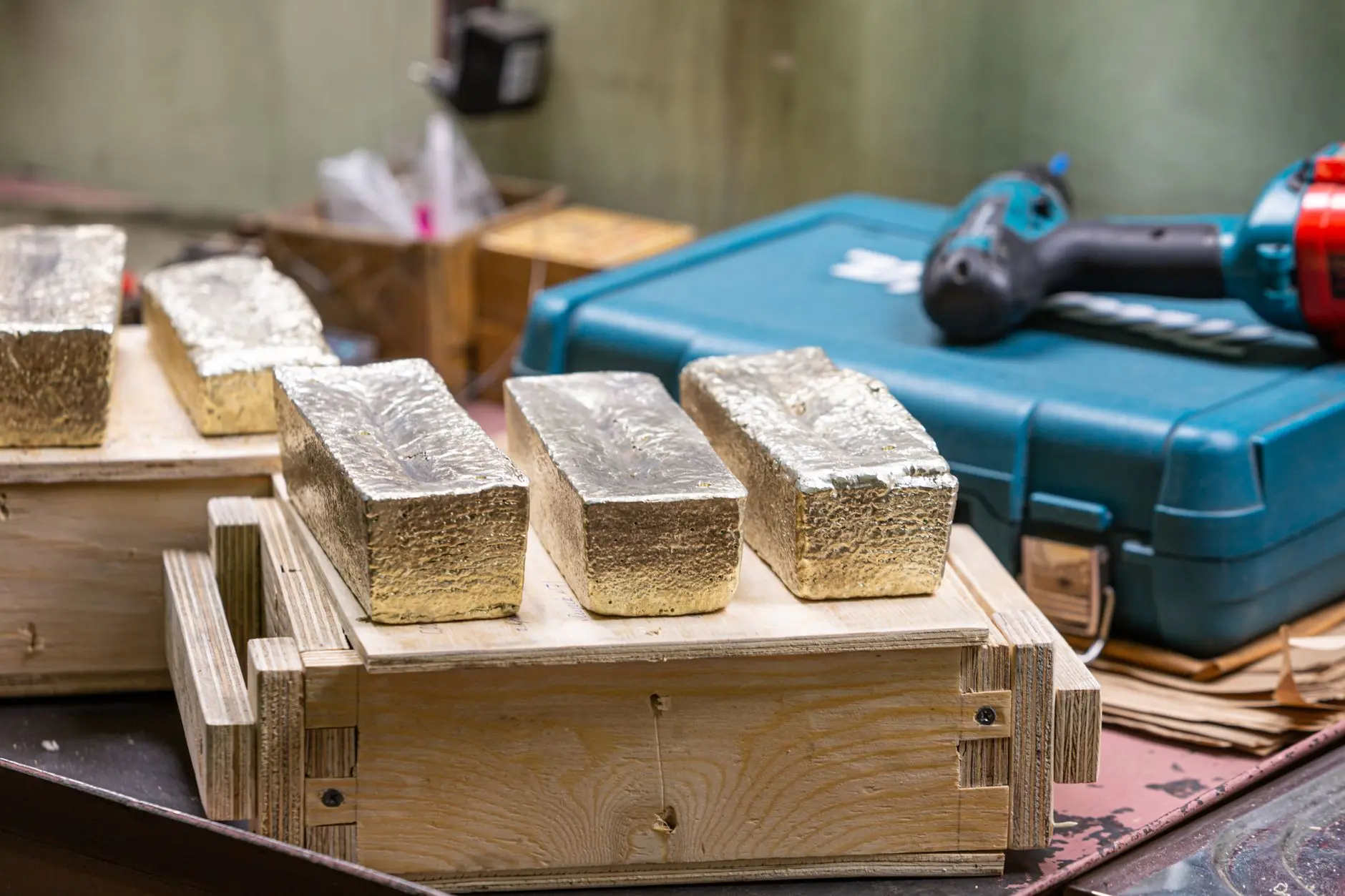
- Trinity Metals targets a US IPO to finance expansion amid a global surge in tungsten prices.
- Rwanda’s strategic mineral resources are attracting international capital for critical metals supply.
- The tungsten market’s volatility reflects broader geopolitical and supply chain tensions.
- The IPO signals Rwanda’s growing role in the rare metals sector beyond traditional commodity exports.
What happened
Trinity Metals, a prominent mining company headquartered in Rwanda, has announced plans to pursue an initial public offering (IPO) on a US stock exchange. The move intends to raise capital to expand its tungsten mining operations, responding to a significant rise in global tungsten prices. This development marks a notable step for the Rwandan mining sector as it seeks to leverage its mineral endowments to attract international investment and increase production capacity for a metal critical to industrial and defense applications.
Why it matters
Tungsten’s unique properties—particularly its hardness and high melting point—make it indispensable for a range of industries, including aerospace, electronics, and munitions manufacturing. The metal’s price has surged recently due to supply chain disruptions and heightened demand from strategic sectors. Trinity Metals’ IPO represents a rare instance of African mining firms tapping US capital markets to support production of a critical raw material, signaling a shift in global resource geopolitics. It also underscores Rwanda’s ambition to transition from an emerging mining economy to a pivotal supplier in the rare metals landscape.
Industry context
Global tungsten supply is concentrated in a few countries, with China historically dominating production and exports. Recent trade restrictions, export quotas, and geopolitical tensions have disrupted market stability, incentivizing diversification of supply sources. Rwanda, endowed with significant tungsten deposits, offers an alternative though smaller scale production base. However, the mining sector in Africa faces challenges including infrastructure deficits, regulatory uncertainties, and environmental concerns. Trinity Metals’ initiative operates within this complex environment, attempting to balance investment attraction with sustainable resource development.
Analysis
The decision to list on a US exchange is strategic, providing Trinity Metals access to deep pools of capital and institutional investors focused on critical minerals. It also enhances transparency and governance standards, potentially improving the company’s credibility in a competitive market. However, the success of this endeavor hinges on the company’s ability to scale operations efficiently amid fluctuating tungsten prices and evolving regulatory frameworks both domestically and internationally. The IPO may also pressure Trinity Metals to meet rigorous environmental, social, and governance (ESG) criteria increasingly demanded by global investors. This dynamic could shape operational practices and community engagement strategies within Rwanda’s mining sector.
Moreover, the timing of the IPO aligns with broader global efforts to secure supply chains for strategic metals, propelled by the US and allies’ emphasis on reducing dependency on China. Trinity Metals’ capital raise could enable investments in advanced mining technologies and processing facilities, potentially positioning Rwanda as a more competitive player in the tungsten market. Nevertheless, sustaining production growth will require overcoming logistical hurdles, including power supply reliability and transportation infrastructure, that have historically constrained mining projects in the region.
What to watch next
The immediate focus will be on the IPO’s execution and investor reception, which will indicate market confidence in both Trinity Metals and Rwanda’s mining sector. Monitoring regulatory developments in Rwanda, particularly regarding mining licenses and export policies, will be crucial to assess operational risks. Additionally, fluctuations in tungsten demand driven by geopolitical developments or technological innovation could impact the company’s growth trajectory. Finally, the extent to which Trinity Metals embraces ESG frameworks will likely influence its long-term viability and appeal to international capital, setting a precedent for other resource companies in Africa aiming for global capital markets.
Ask AI about this story
Answers are based on this article and SN Media’s related coverage. AI can make mistakes.
Frequently asked questions
Why is Trinity Metals pursuing a US IPO?
Trinity Metals aims to raise capital through a US IPO to expand its tungsten mining operations in response to rising global tungsten prices and to access deep pools of institutional investment focused on critical minerals.
What challenges could affect Trinity Metals' expansion plans?
Challenges include fluctuating tungsten prices, regulatory uncertainties in Rwanda, infrastructure deficits such as power and transportation, and the need to meet stringent environmental, social, and governance (ESG) standards demanded by global investors.
How does Trinity Metals' IPO reflect Rwanda's role in the global tungsten market?
The IPO signals Rwanda's ambition to move beyond traditional commodity exports and become a significant supplier in the rare metals sector, leveraging its tungsten deposits amid global efforts to diversify supply away from dominant producers like China.
What factors will influence the success of Trinity Metals' IPO and future operations?
Success will depend on investor reception to the IPO, regulatory developments in Rwanda, the company's ability to scale production efficiently, and its adoption of ESG frameworks, all within the context of volatile tungsten demand driven by geopolitical and technological changes.
Continue the story
 BACKGROUND · How we got here
Geopolitical Implications of the Zambia-IRH Mining Dispute
BACKGROUND · How we got here
Geopolitical Implications of the Zambia-IRH Mining Dispute