






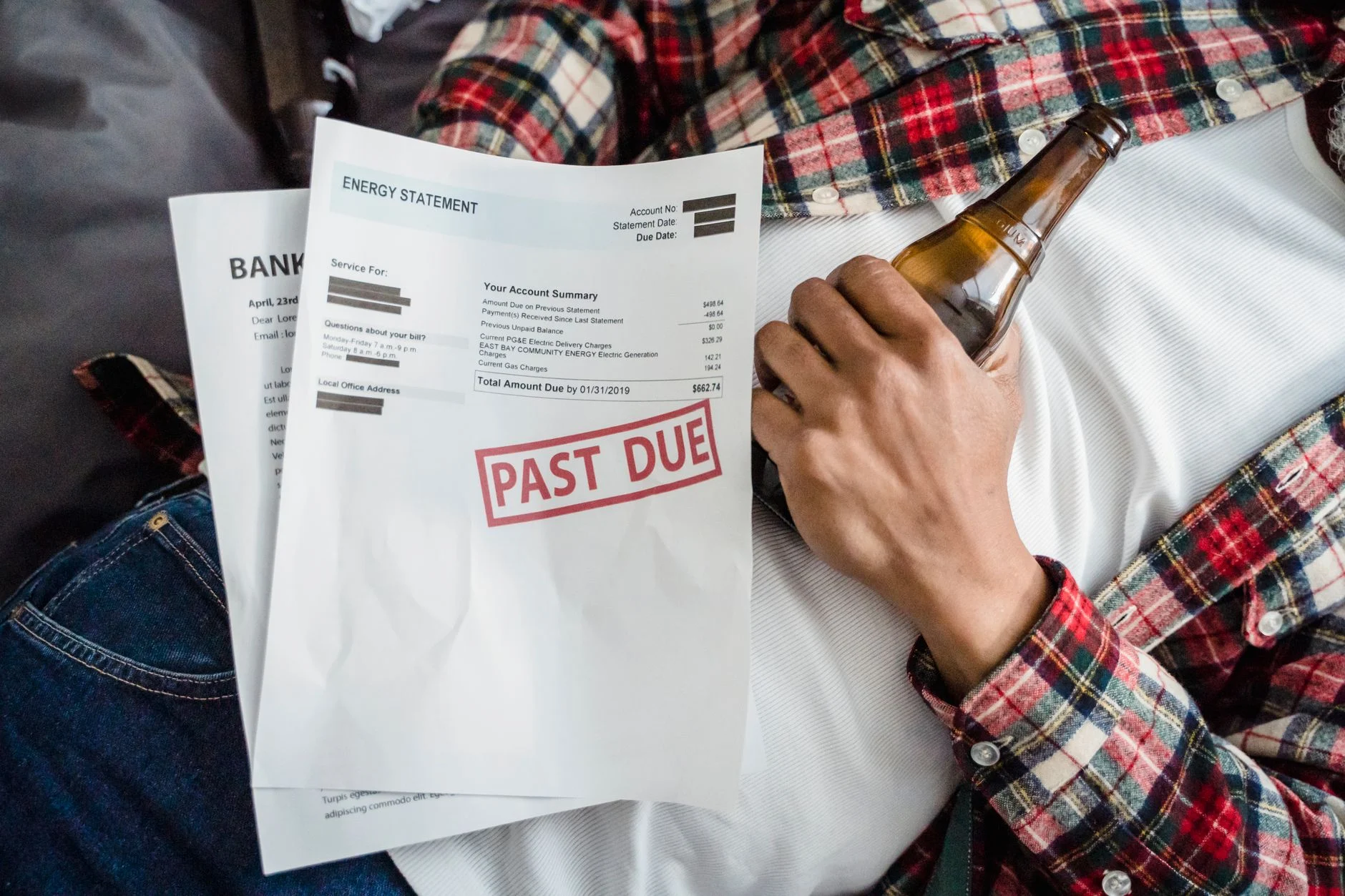
- Current UK energy support schemes inadequately target the most financially vulnerable households.
- Rising energy costs and inflation exacerbate disparities in access to relief measures.
- Structural gaps in eligibility criteria and delivery mechanisms limit the effectiveness of government interventions.
- Long-term energy affordability challenges require coordinated policy reforms beyond short-term subsidies.
What happened
The UK government has implemented a series of energy support schemes aimed at mitigating the impact of soaring energy prices on households. These initiatives include direct subsidies, price caps, and targeted payments to vulnerable groups. However, evidence and recent analyses indicate that these measures fall short of reaching the most financially precarious segments of the population. Despite government efforts, many low-income households continue to face disproportionate energy burdens, with some unable to access or benefit fully from available assistance due to eligibility restrictions and bureaucratic hurdles.
Why it matters
Energy affordability directly affects public health, social equity, and economic stability. When vulnerable households cannot secure adequate heating or electricity, risks of fuel poverty, ill health, and social exclusion intensify. The inadequacy of current support frameworks not only deepens existing inequalities but also places additional strain on public services such as healthcare and social welfare. Furthermore, failure to effectively shield these populations from energy cost shocks undermines social cohesion and public trust in institutional responses during crises.
Industry context
The UK energy sector operates under a complex interplay of market liberalisation, regulatory oversight, and government intervention. Price caps introduced by Ofgem aim to limit excessive consumer costs but have been challenged by volatile wholesale prices and supply chain disruptions. Energy suppliers, particularly smaller firms, face financial pressures that risk market exits or service reductions, complicating assistance delivery. Meanwhile, government support schemes—ranging from the Warm Home Discount to the Energy Bills Support Scheme—are constrained by budgetary limits and policy design that often prioritise broad-based relief over finely targeted aid.
Analysis
The persistent gaps in support arise from several structural and operational factors. Eligibility criteria frequently rely on income thresholds or benefit receipt, which can exclude households with precarious earnings or those not engaged with welfare systems. Administrative complexity and low awareness further diminish uptake among eligible recipients. Moreover, the reliance on short-term subsidies fails to address underlying affordability issues linked to energy efficiency deficits and housing conditions. The sector’s fragmentation complicates coordinated intervention, as support is dispersed across multiple agencies and providers with varying capacities. This fragmentation also hampers data sharing and integrated assessments of household vulnerability.
The disconnect between policy intent and on-the-ground impact reflects the tension between universal and means-tested approaches. Universal schemes ensure broad coverage but dilute resources, while targeted measures risk missing hidden vulnerabilities. Balancing these trade-offs requires refined data analytics, improved outreach, and adaptive policy mechanisms responsive to evolving socioeconomic conditions.
What to watch next
Future developments will hinge on political will and institutional innovation to redesign energy support frameworks. Key indicators include government responses to independent reviews recommending more nuanced targeting and integration of energy efficiency programmes into affordability strategies. The trajectory of wholesale energy prices and inflation will continue to test the resilience of existing schemes. Additionally, ongoing debates about regulatory reforms and supplier accountability may reshape the operational landscape, potentially enabling more effective consumer protection. Monitoring how these dynamics influence the inclusion of marginalized households will be critical in assessing progress toward equitable energy access in the UK.
Ask AI about this story
Answers are based on this article and SN Media’s related coverage. AI can make mistakes.
Frequently asked questions
Why do current UK energy support schemes fail to adequately assist the most financially vulnerable households?
Current schemes have structural gaps such as restrictive eligibility criteria based on income thresholds or benefit receipt, administrative complexities, and low awareness, which exclude many precarious or hidden vulnerable households from accessing assistance.
What are the broader consequences of inadequate energy support for vulnerable UK households?
Inadequate support increases risks of fuel poverty, ill health, and social exclusion, deepens inequalities, strains public services like healthcare and social welfare, and undermines social cohesion and trust in institutions during crises.
How do market and regulatory conditions in the UK energy sector affect the delivery of support schemes?
Volatile wholesale prices, supply chain disruptions, financial pressures on suppliers, especially smaller firms, and sector fragmentation complicate assistance delivery and hinder coordinated interventions and data sharing among agencies.
What future developments could improve energy support for vulnerable households in the UK?
Potential improvements depend on political will and institutional innovation to redesign support frameworks with nuanced targeting, integration of energy efficiency programmes, regulatory reforms, and better consumer protection amid evolving market and inflation conditions.
Continue the story
 LATEST
How Rising Energy Bills Impact Household Budgets Across the UK
LATEST
How Rising Energy Bills Impact Household Budgets Across the UK
- LATEST How Rising Energy Costs Are Reshaping Northern Ireland’s Economic Landscape
- LATEST The Future of UK Pensions: Analyzing Burnham’s 2030 Triple Lock End Proposal
- LATEST Power Grid Vulnerabilities Exposed by Hurricane Isaias in the Gulf Coast
- LATEST The Economic Impact of Rising State Pensions Amid Slowing UK Wage Growth