








What happened
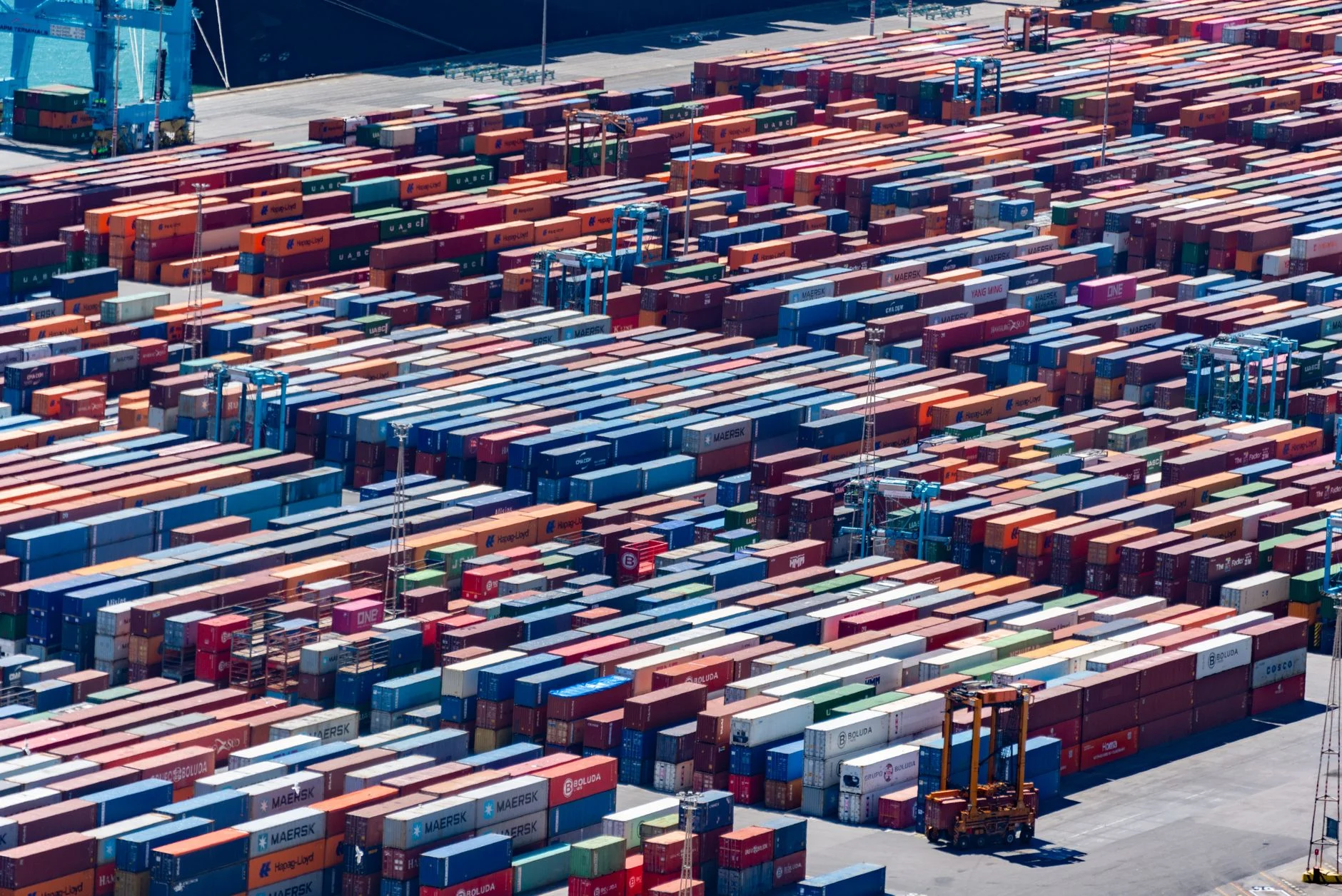
In recent years, global trade has witnessed a marked shift from the traditional model of highly dispersed, globalised supply chains toward more regionally concentrated networks. This transition reflects a strategic reconfiguration of production and procurement patterns, driven by geopolitical tensions, technological advancements, and evolving economic policies. The trend is characterised by increased intra-regional trade flows, localisation of critical manufacturing hubs, and a reevaluation of dependencies within key industries such as semiconductors, automotive, and pharmaceuticals.
Why it matters
The regionalisation of supply chains carries profound implications for global economic structures and power relations. By concentrating production and logistics within closer geographical and political boundaries, countries and regions aim to reduce vulnerabilities exposed by past disruptions and to enhance economic resilience. This reorientation alters the balance of economic influence, as regions strengthen integration internally while potentially diminishing reliance on distant partners. Consequently, the dynamics of trade bargaining, investment flows, and technological collaboration are evolving, influencing diplomatic alignments and strategic economic competition.
Industry context
The shift towards regional supply chains is neither uniform nor limited to a single sector. It is a multifaceted phenomenon affecting industries differently based on technological complexity, capital intensity, and regulatory environments. For example, the semiconductor industry has prioritised onshoring and nearshoring to secure critical components against supply shocks and geopolitical risk. Meanwhile, automotive manufacturers are increasingly sourcing parts from regional suppliers to comply with trade agreements and reduce lead times. Additionally, pharmaceutical companies are reassessing global sourcing strategies to ensure supply continuity for essential medicines.
Analysis
At its core, the movement toward regionalisation reflects a strategic balancing act between efficiency and resilience. Prolonged global disruptions have exposed the fragility of extended supply chains reliant on distant suppliers and single-source dependencies. Regional supply chains offer a compromise by shortening logistics routes, enhancing regulatory coherence, and facilitating faster crisis response. However, this transition also introduces complexities, such as the need for diversified regional hubs and investment in local capabilities, which can increase costs and require significant policy coordination.
From a geopolitical perspective, regional supply chains reinforce blocs of economic influence, potentially leading to greater fragmentation of the global trade system. Regions with robust internal markets and technological leadership are poised to consolidate influence, while those dependent on external supply networks may face challenges. This dynamic fuels an interplay between cooperation and competition, as nations pursue both regional integration and strategic autonomy.
Moreover, the trend underscores the importance of infrastructure development, workforce skill enhancement, and innovation ecosystems within regions. Competitive advantage increasingly depends on the ability to cultivate resilient, technologically advanced supply chains that align with evolving environmental and regulatory standards. In this context, regional trade agreements and industrial policies play pivotal roles in shaping the architecture of supply networks.
What to watch next
Future developments will hinge on how effectively regions can balance integration with diversification. Key indicators to monitor include the evolution of regional trade agreements, shifts in foreign direct investment patterns, and advancements in supply chain technologies such as digital tracking and automation. Additionally, the response of global governance institutions to the changing trade landscape will influence whether regionalisation leads to cooperative frameworks or heightened economic fragmentation.
Close attention should also be paid to how emerging economies position themselves within regional networks, as their participation could recalibrate power balances. Finally, the environmental and social sustainability of regional supply chains will be a critical factor shaping long-term viability and global acceptance.
Ask AI about this story
Answers are based on this article and SN Media’s related coverage. AI can make mistakes.
Frequently asked questions
What are the main factors driving the shift towards regional supply chains?
The shift is driven by geopolitical tensions, technological advancements, and evolving economic policies, leading to more localized production and procurement patterns.
How does regional supply chain concentration affect global economic power?
It strengthens economic integration within regions, reduces reliance on distant partners, and alters trade bargaining and investment flows, potentially fragmenting the global trade system and reshaping power dynamics.
Which industries are most impacted by supply chain regionalisation and why?
Industries like semiconductors, automotive, and pharmaceuticals are notably affected due to their need for supply security, compliance with trade agreements, and continuity of essential products amid geopolitical risks.
What future developments should be monitored to understand the impact of regional supply chains?
Key indicators include changes in regional trade agreements, foreign direct investment patterns, supply chain technology advancements, global governance responses, emerging economies' roles, and sustainability considerations.
Continue the story
 LATEST
Climate Change and the Rhine: How Extreme Weather Disrupts European Supply Chains
LATEST
Climate Change and the Rhine: How Extreme Weather Disrupts European Supply Chains
- LATEST Global Fuel Supply Chains Under Strain: How Geopolitics Are Driving Diesel Prices Up
- LATEST Impact of Aramco’s Asia Oil Price Cut on Global Energy Markets
- LATEST How Rising Energy Costs Are Reshaping Northern Ireland’s Economic Landscape
- LATEST How Regional US Banks Are Reshaping Commodity Hedging Amid Market Volatility