








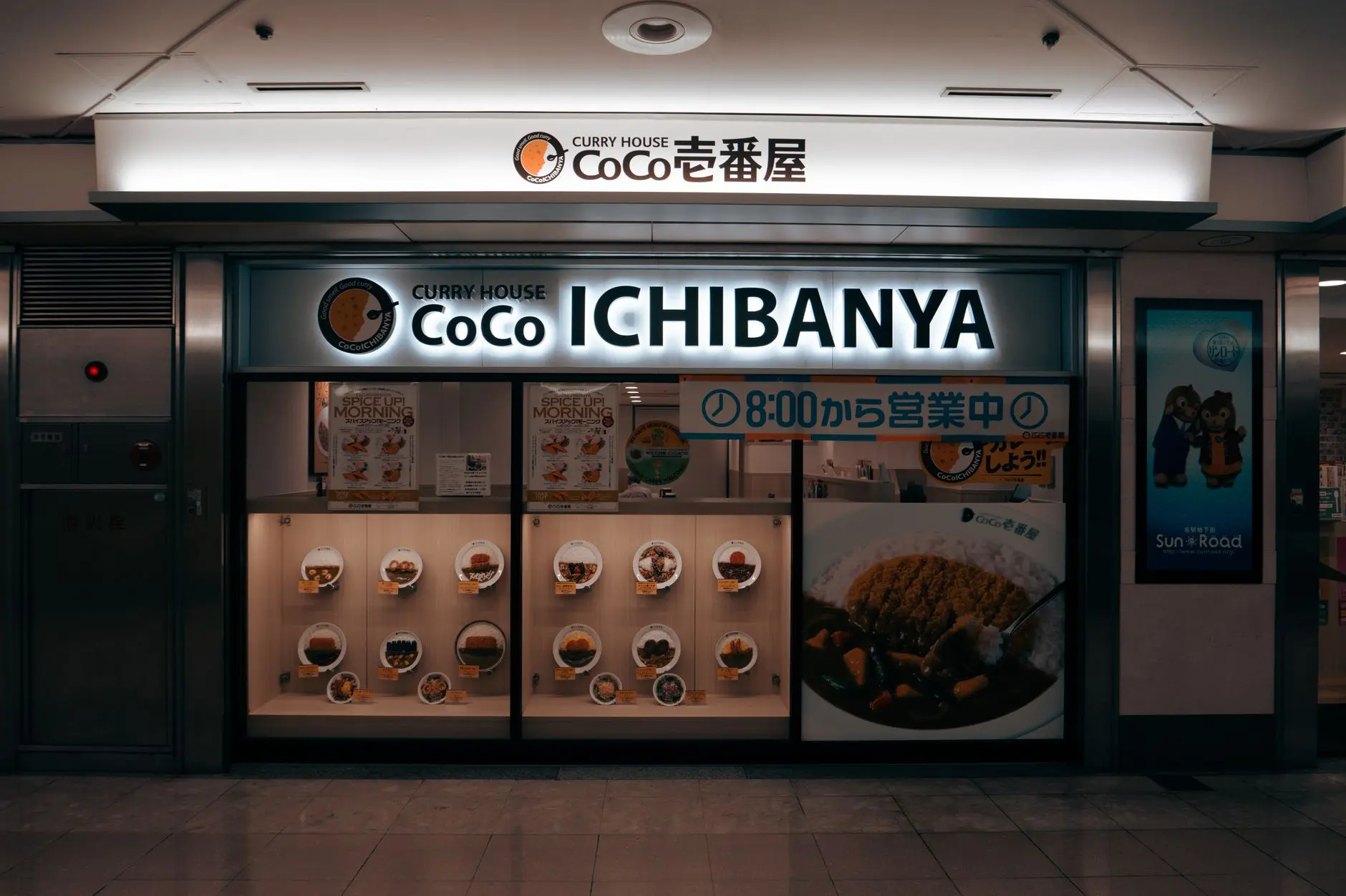
- KKR emerges as the preferred bidder for Ichibanya, a leading Japanese curry chain.
- The acquisition signals a targeted expansion into Japan’s resilient food service sector.
- KKR’s bid reflects a broader strategic focus on Asia’s consumer markets amid shifting economic dynamics.
- Potential operational and cultural integration challenges could influence post-acquisition outcomes.
What happened
Global private equity firm KKR & Co. has positioned itself as the preferred bidder for Ichibanya Co., Ltd., a dominant player in Japan’s curry restaurant segment. Ichibanya operates a widespread network of outlets domestically and internationally, specializing in curry dishes popular across Japan and parts of Asia. The firm’s bid, reported by Bloomberg in November 2026, is part of a competitive auction process involving other strategic and financial buyers. KKR’s anticipated acquisition reflects a deliberate move to secure a foothold in Japan’s food service industry, a sector historically characterized by stable consumer demand and strong brand loyalty.
Why it matters
This bid marks a significant step in the ongoing internationalization of Japan’s consumer food service sector, which has traditionally been dominated by domestic operators and conservative ownership structures. KKR’s involvement signals growing interest from global private equity in Japanese mid-market companies with strong brand equity and growth potential, especially those positioned to capitalize on evolving consumer preferences and increasing outbound expansion. For KKR, acquiring Ichibanya offers access to a resilient, cash-generative business amid a global economic environment marked by inflationary pressures and shifting consumption patterns. The deal also exemplifies the increasing convergence of international capital with Japan’s corporate governance reforms aimed at improving shareholder value.
Industry context
Japan’s restaurant industry faces unique structural forces: an aging population, labor shortages, and evolving dietary trends. Despite these headwinds, segments such as casual dining and fast-casual chains remain robust due to urbanization and steady domestic demand. Ichibanya, with its focus on curry—a staple comfort food—has effectively navigated these dynamics through menu innovation and an extensive franchising model. Meanwhile, private equity interest in Asia’s consumer sectors has grown as investors seek stable, cash-flowing assets insulated from volatile tech valuations. Japan’s recent regulatory changes encouraging foreign investment and enhancing corporate governance have also lowered barriers for firms like KKR to enter and influence local markets.
Analysis
KKR’s pursuit of Ichibanya is a calculated move leveraging the firm’s expertise in operational improvements and market expansion. The acquisition offers opportunities to optimize supply chains, enhance digital ordering platforms, and accelerate international franchising efforts, particularly in Southeast Asia where Japanese cuisine continues to gain popularity. However, KKR must navigate the inherent challenges of integrating a culturally entrenched brand within a private equity ownership framework focused on efficiency and growth metrics. Balancing local consumer expectations with global operational standards will be critical. Additionally, currency fluctuations and geopolitical tensions in the Asia-Pacific region introduce layers of risk that could affect profitability. The deal also reflects a broader private equity trend of targeting consumer staples companies that combine defensible market positions with potential for modernization.
What to watch next
The next phase will hinge on how KKR structures the acquisition and its post-deal governance approach. Observers should monitor the firm’s strategy regarding franchisee relationships and regional expansion, particularly whether it prioritizes organic growth or bolt-on acquisitions. Regulatory responses in Japan, including any shifts in foreign investment policies or antitrust scrutiny, could also impact the transaction’s trajectory. Furthermore, Ichibanya’s adaptation to digital transformation and sustainability initiatives will serve as indicators of how effectively KKR can enhance value while maintaining brand authenticity. Finally, the outcome of this bid may set a precedent for future private equity engagements in Japan’s mid-market food service industry, influencing valuation benchmarks and investor appetite in the region.
Ask AI about this story
Answers are based on this article and SN Media’s related coverage. AI can make mistakes.
Frequently asked questions
Who is KKR and what is their interest in Ichibanya?
KKR & Co. is a global private equity firm that has emerged as the preferred bidder for Ichibanya, aiming to expand into Japanu2019s resilient food service sector and gain access to a stable, cash-generative business amid shifting economic conditions.
What challenges might KKR face in acquiring and managing Ichibanya?
KKR could encounter operational and cultural integration challenges due to Ichibanyau2019s entrenched brand identity and local consumer expectations, as well as risks from currency fluctuations and geopolitical tensions in the Asia-Pacific region.
How does this acquisition fit into the broader context of Japanu2019s food service industry?
The acquisition reflects growing global private equity interest in Japanu2019s mid-market consumer companies, supported by regulatory reforms encouraging foreign investment and corporate governance improvements, while addressing industry challenges like an aging population and labor shortages.
What are the key factors to watch following KKRu2019s bid for Ichibanya?
Key factors include KKRu2019s approach to franchisee relationships, regional expansion strategies, regulatory responses in Japan, Ichibanyau2019s digital and sustainability initiatives, and the broader impact on private equity activity in Japanu2019s food service sector.
Continue the story
 LATEST
How SIX Group Is Reshaping European Capital Markets to Attract Growth Stocks
- LATEST Leadership Shakeup: What Albert Manifold’s Move to Aggreko Means for the Power Equipment Sector
- BACKGROUND · How we got here How Debt Financing Shapes Private Equity Mega-Deals: The Case of CVC and IFF
- BACKGROUND · How we got here How Brookfield and QIA’s £2.5 Billion Bet Signals a New Era for UK Data Infrastructure