








What Happened
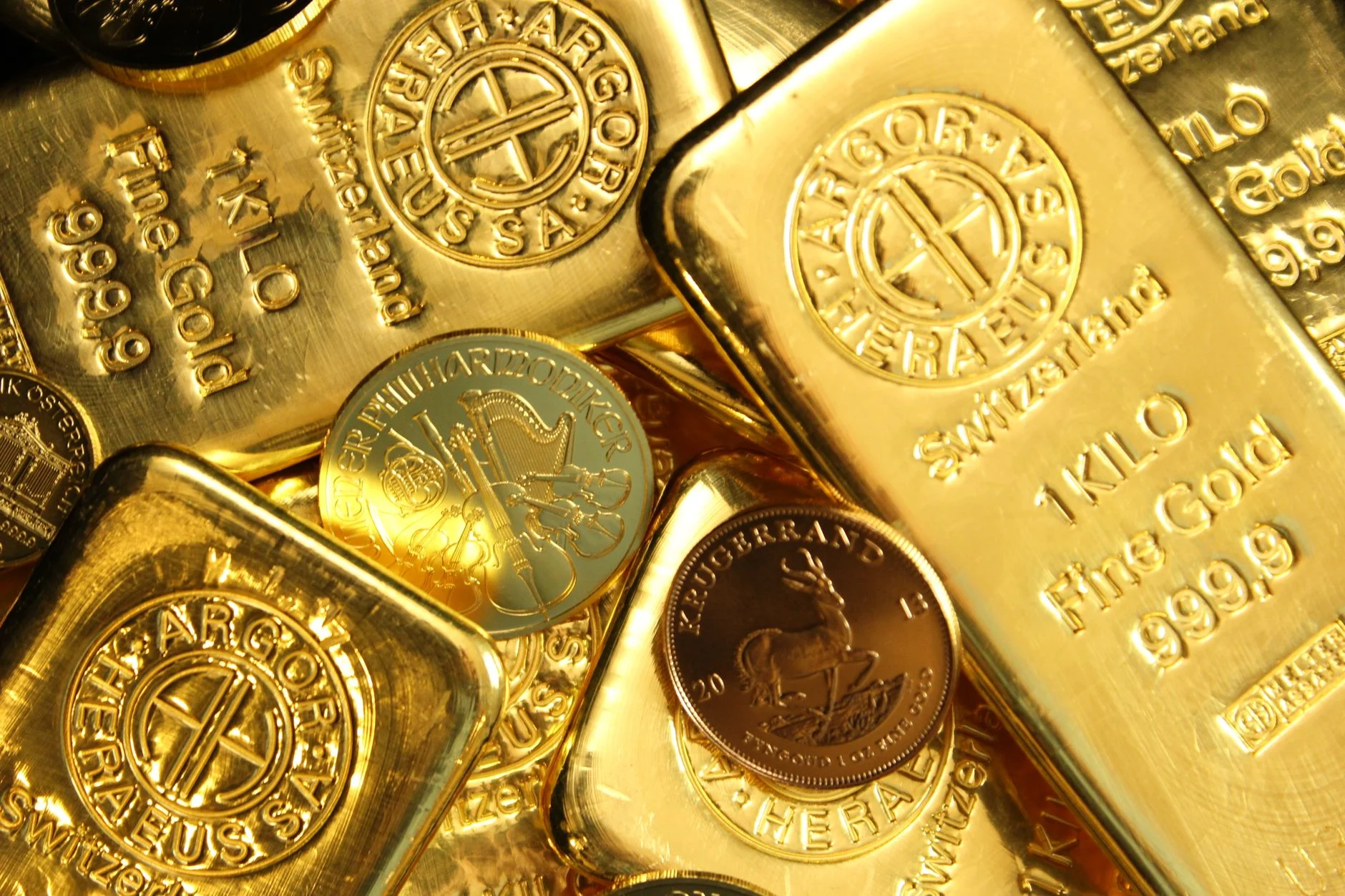
Recent US inflation data revealed a softer-than-expected rise in consumer prices, prompting a recalibration of Federal Reserve interest rate expectations. This development led to a stabilization in global gold prices after a period of significant volatility. The data indicated that inflationary pressures might be easing, reducing the likelihood of aggressive monetary tightening by the Fed in the near term.
Why It Matters
Gold, traditionally a hedge against inflation and currency devaluation, is highly sensitive to shifts in US monetary policy and inflation metrics. The inflation reading directly influences investor expectations around interest rates, which in turn affects gold’s appeal as a non-yielding asset. When inflation appears contained, the urgency for higher interest rates diminishes, often supporting gold prices. Conversely, rising inflation can spur rate hikes, bolstering the US dollar and pressuring gold.
Industry Context
The gold market operates within a complex global framework where geopolitical tensions, currency fluctuations, and central bank policies intersect. Over recent years, the Federal Reserve’s stance on inflation has been a pivotal driver for gold market dynamics. Persistent inflation often triggers tighter monetary policy, strengthening the dollar and weighing on gold. Meanwhile, subdued inflation tends to alleviate rate hike fears, encouraging investment flows into precious metals as safe-haven assets.
Analysis
This inflation report underscores a critical inflection point for gold investors. The tempering of inflation pressures suggests a possible plateau in the Fed’s rate-hiking cycle, which could reduce the opportunity cost of holding gold. However, the persistence of underlying inflationary risks means that market participants must remain vigilant. The interplay between inflation data and Fed communications will continue to dictate gold’s trajectory, balancing between its role as an inflation hedge and the influence of real interest rates.
Moreover, global considerations—such as emerging market demand, geopolitical uncertainties, and currency movements—will compound domestic US factors. Investors are likely to adopt a nuanced approach, weighing inflation signals against broader macroeconomic trends to calibrate gold exposure effectively.
What to Watch Next
Market participants should closely monitor upcoming US inflation releases and Federal Reserve commentary for indications of policy direction. Key indicators include core inflation trends and wage growth data, which provide deeper insight into underlying price pressures. Additionally, global economic developments—such as shifts in energy prices, geopolitical events, and central bank actions beyond the US—will influence gold’s safe-haven appeal. A sustained moderation or resurgence in inflation will be critical in shaping gold market momentum and investment strategies moving forward.
Ask AI about this story
Answers are based on this article and SN Media’s related coverage. AI can make mistakes.
Frequently asked questions
How did the recent US inflation data affect global gold prices?
The softer-than-expected rise in US consumer prices led to a recalibration of Federal Reserve interest rate expectations, resulting in a stabilization of global gold prices after recent volatility.
Why is US inflation data important for gold investors?
US inflation data influences expectations around Federal Reserve interest rates, which affect gold's appeal as a non-yielding asset; contained inflation reduces the likelihood of rate hikes, supporting gold prices, while rising inflation can lead to rate increases that pressure gold.
What other factors beyond US inflation impact gold market dynamics?
Global factors such as geopolitical tensions, currency fluctuations, emerging market demand, and central bank policies outside the US also play significant roles in shaping gold's market behavior.
What should investors watch for in the future to gauge gold market trends?
Investors should monitor upcoming US inflation releases, Federal Reserve commentary, core inflation trends, wage growth data, and global economic developments including energy prices and geopolitical events to assess potential shifts in goldu2019s safe-haven appeal and price momentum.
Continue the story
 LATEST
How a Strong Dollar Shapes Federal Reserve Interest Rate Decisions
LATEST
How a Strong Dollar Shapes Federal Reserve Interest Rate Decisions
- LATEST How Rising Oil Prices Are Reshaping Global Inflation Expectations
- LATEST How Falling US Yields Signal Shifts in Global Economic Sentiment
- LATEST The Fed’s Inflation Threshold: What One Bad Report Could Mean for Interest Rates
- LATEST How Falling Oil Prices Are Reshaping US Stock Market Sentiment