








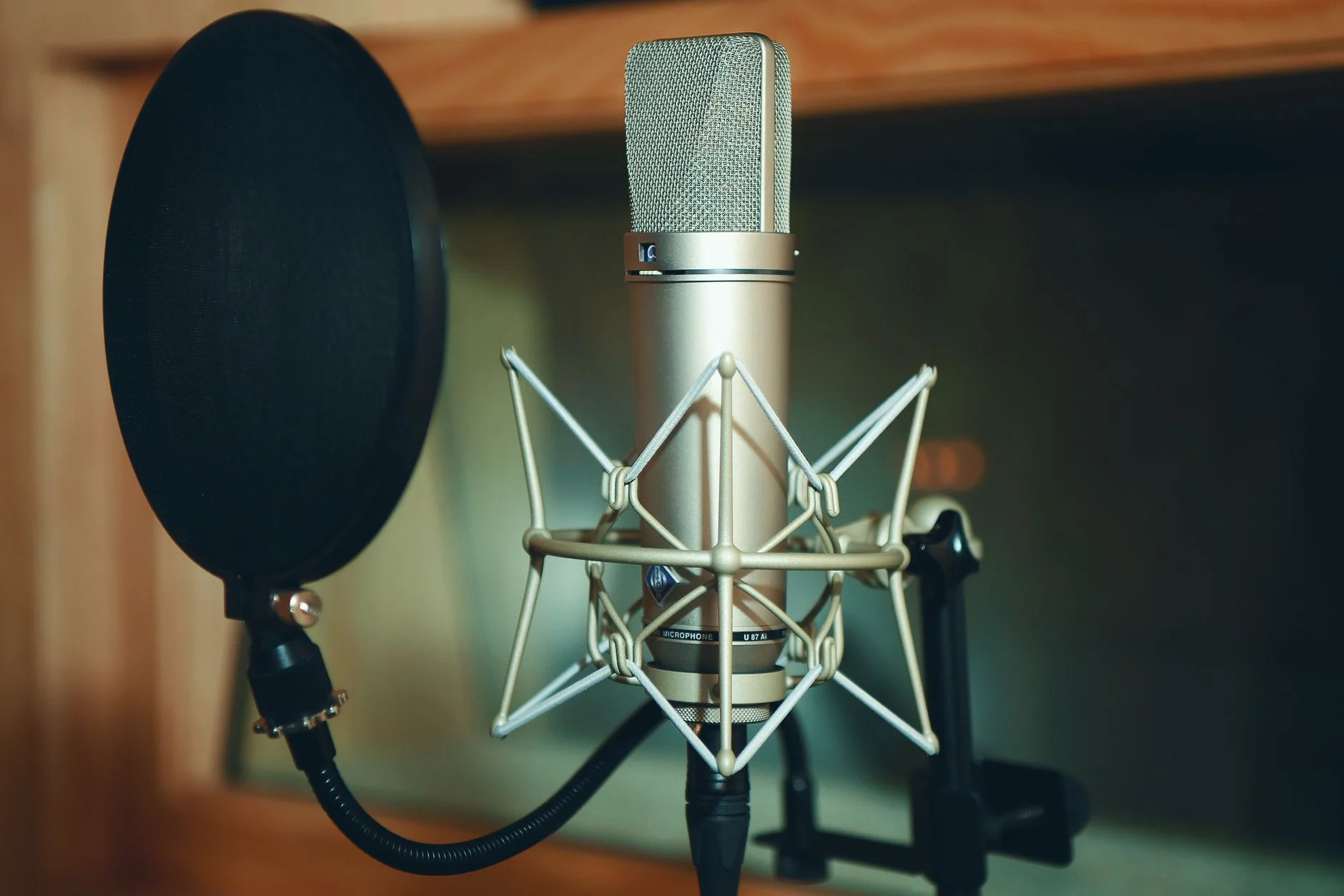
- UK actors seek legal recognition of voice ownership to counter unauthorized AI voice cloning.
- Current intellectual property frameworks inadequately address biometric and voice data rights.
- The dispute highlights tensions between technological innovation and personal data protection.
- Legislators face complex trade-offs balancing creative freedom, commercial interests, and individual consent.
The Legal Battle Over AI Voice Cloning: Actors Demand Rights to Their Own Voices
What happened
A group of prominent UK actors, including Matt Lucas and Hugh Bonneville, has initiated a concerted campaign to secure legal rights over their voice data amid the rise of AI-driven voice cloning technologies. These actors argue that their voices constitute a unique personal asset that can be exploited without consent or compensation under existing intellectual property laws. Their efforts include calls for new legislation explicitly recognizing individuals’ ownership of their biometric voice data to prevent unauthorized replication and commercial use by AI companies.
Why it matters
The dispute over voice cloning rights touches on profound questions about identity, consent, and control in an era of machine learning. Voices are not merely creative expressions; they are biometric markers tied directly to an individual’s persona and reputation. The absence of clear legal protections risks turning voice data into a commodified resource, potentially exploited without regard for personal or commercial interests. This issue also frames wider societal concerns about privacy and data sovereignty that are increasingly urgent as AI tools become more sophisticated and accessible.
Industry context
Voice cloning technology has advanced rapidly, with companies able to generate realistic synthetic speech from limited audio samples. These innovations have found applications ranging from entertainment and advertising to accessibility services and virtual assistants. However, the legal frameworks governing intellectual property and data privacy have struggled to keep pace. Traditional copyright law does not neatly apply to biometric voice data, which is neither a fixed creative work nor purely personal information. Meanwhile, AI developers assert that voice synthesis fosters innovation and competition, though often without clear mechanisms to obtain consent from the individuals whose voices are mimicked.
Analysis
The campaign by UK actors reflects a strategic push to fill a regulatory gap that leaves individuals vulnerable to exploitation. The legal question centers on whether a voice can be classified as personal property and, if so, how rights to it should be enforced. Current intellectual property regimes focus on fixed creative works and do not adequately cover the replication of biometric data for commercial use. Meanwhile, data protection laws such as the GDPR offer some protections regarding biometric data but lack specificity regarding voice cloning and subsequent commercial applications.
This tension reveals fundamental trade-offs. On one hand, granting voice ownership rights could empower individuals and curb unauthorized use. On the other, overly restrictive regulations might stifle innovation in AI-driven speech technologies that have beneficial applications. Moreover, enforcement poses practical challenges: voices can be recorded, processed, and disseminated widely with relative ease, complicating oversight. The actors’ campaign also brings to light the asymmetry between powerful tech companies and individual creators, emphasizing the need for equitable frameworks that balance interests.
What to watch next
Legislators and regulators in the UK and beyond will need to clarify the legal status of biometric voice data in the near term. Developments in this area could set precedents influencing broader biometric data governance and AI regulation. Stakeholders should closely monitor parliamentary debates, judicial rulings, and policy proposals addressing voice cloning rights, data protection, and AI ethics. International cooperation may be necessary, given the cross-border nature of AI technologies and voice data circulation. The outcome will shape not only the entertainment industry but also the evolving relationship between personal identity and digital innovation.
Ask AI about this story
Answers are based on this article and SN Media’s related coverage. AI can make mistakes.
Frequently asked questions
Why are UK actors like Matt Lucas and Hugh Bonneville campaigning for voice ownership rights?
They argue that their voices are unique personal assets being exploited without consent or compensation under current intellectual property laws, and they seek legislation to recognize ownership of biometric voice data to prevent unauthorized AI voice cloning.
What legal challenges exist regarding AI voice cloning and voice data protection?
Current intellectual property laws do not adequately cover biometric voice data, as voices are neither fixed creative works nor purely personal information, while data protection laws like the GDPR offer some protections but lack specificity on voice cloning and commercial use.
What are the main tensions involved in regulating AI voice cloning technologies?
The tensions involve balancing individual rights to control and consent over their voice data against the need to foster innovation and competition in AI speech technologies, alongside practical enforcement difficulties due to the ease of recording and disseminating voices.
What developments should readers watch for next in the legal battle over voice cloning?
Legislative and regulatory clarifications on the legal status of biometric voice data are expected, with parliamentary debates, judicial rulings, and policy proposals in the UK and internationally likely to influence future biometric data governance and AI regulation.
Continue the story
 LATEST
The Ethical Implications of AI Bots Accessing Government Data Without Consent
LATEST
The Ethical Implications of AI Bots Accessing Government Data Without Consent