








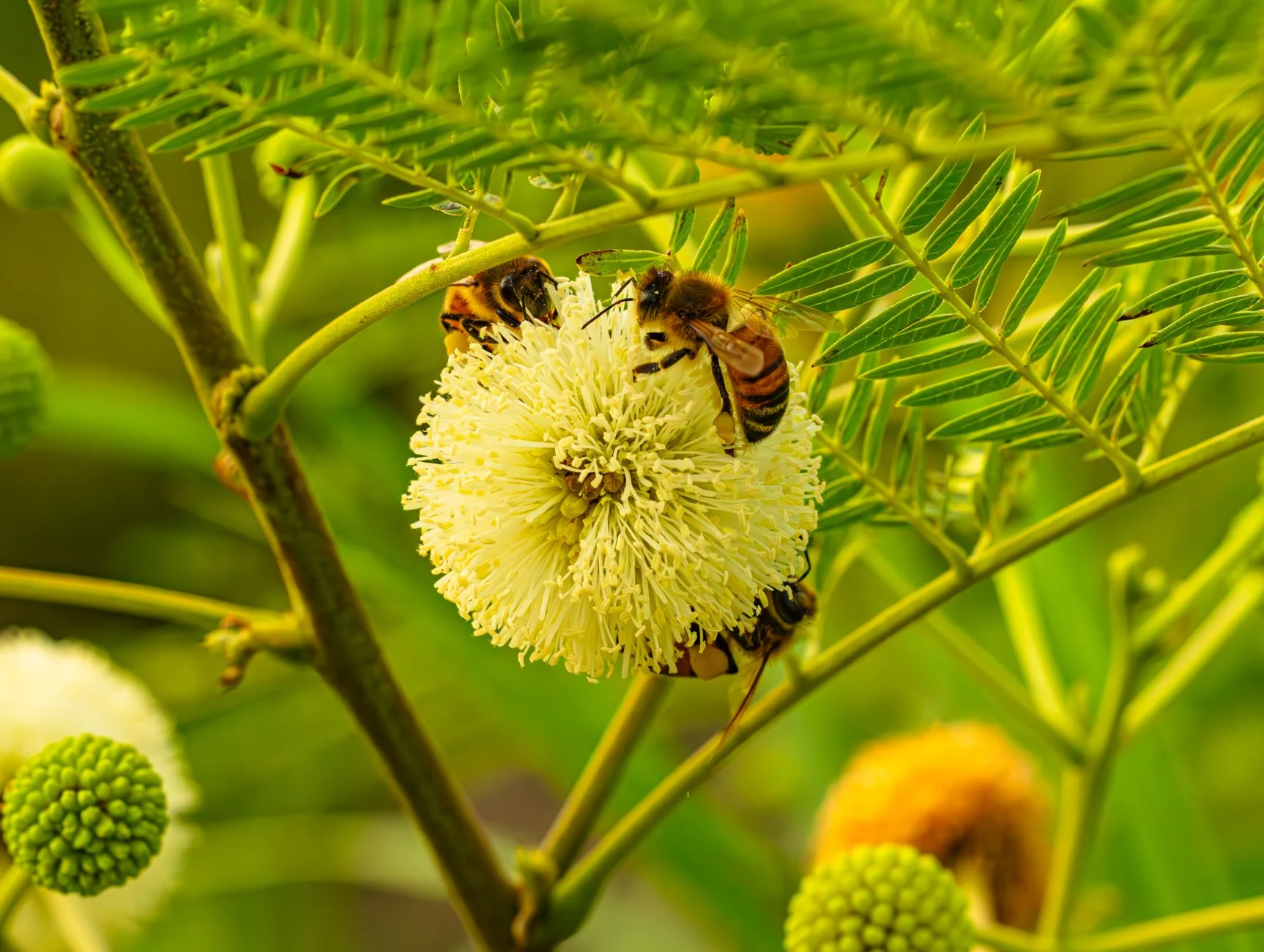
What Happened
Recent ecological studies have increasingly emphasized the complexity and robustness of pollination networks—intricate webs of interactions between plants and their pollinators. Rather than viewing these interactions as isolated or random occurrences, researchers have uncovered structured patterns that govern how species connect and depend on one another. This evolving understanding underscores the significance of network architecture in sustaining biodiversity and ecological function.
Why It Matters
Pollination is a critical ecosystem service, essential for the reproduction of a vast majority of flowering plants and for global food security. The stability of pollination networks directly influences ecosystem productivity, species survival, and resilience to environmental disturbances such as habitat loss, climate change, and invasive species. By dissecting the underlying structures of these networks, scientists can better predict vulnerabilities and guide conservation efforts to mitigate cascading ecological failures.
Industry Context
Within conservation biology and environmental management, the application of network theory has transformed approaches to ecosystem assessment. Pollination networks, in particular, serve as model systems for understanding mutualistic interactions. This perspective has informed agricultural practices, restoration ecology, and policy frameworks aimed at preserving pollinator populations and the services they provide. Moreover, interdisciplinary collaboration spanning ecology, mathematics, and data science has enhanced the resolution and predictive power of these analyses.
Analysis
Pollination networks exhibit characteristic features such as nestedness, modularity, and asymmetry in species interactions. Nestedness describes a pattern where specialists interact with subsets of species that generalists do, creating a hierarchy of interactions. Modularity refers to the clustering of species into subgroups with dense internal connections but fewer links between groups. These features contribute to network resilience by localizing disturbances and preventing widespread collapse.
Network asymmetry, where some species have disproportionately many connections, can confer robustness but also introduces points of vulnerability if keystone pollinators are lost. The balance between redundancy and specialization shapes how networks respond to perturbations. Ecological networks that maintain a high degree of redundancy tend to recover more quickly from species losses, while highly specialized networks may be more efficient but less resilient.
Environmental pressures such as climate variability and land-use change increasingly test these network properties. Alterations in species abundance and phenology can disrupt established interaction patterns, with potential ripple effects on ecosystem stability. Understanding the structural dynamics of pollination networks thus remains vital for anticipating the impacts of ongoing global change.
What to Watch Next
Future research will likely focus on integrating temporal dynamics into network models, capturing how pollination interactions fluctuate across seasons and years. Advances in remote sensing, molecular identification techniques, and computational modeling promise richer datasets and more nuanced insights into network adaptation. Additionally, expanding comparative studies across diverse biomes will help elucidate universal principles and context-specific vulnerabilities.
From a policy and management perspective, there is growing interest in leveraging network insights to design resilient landscapes, prioritize conservation targets, and enhance ecosystem services. Monitoring the effectiveness of such interventions over time will be crucial. As ecological challenges intensify, the hidden architecture of pollination networks offers both a diagnostic lens and a strategic framework for sustaining ecological stability.
Ask AI about this story
Answers are based on this article and SN Media’s related coverage. AI can make mistakes.
Frequently asked questions
What are the key structural features of pollination networks discussed in the article?
The article highlights nestedness, modularity, and asymmetry as key features. Nestedness involves specialists interacting with subsets of species that generalists do, modularity describes clusters of species with dense internal connections, and asymmetry refers to some species having disproportionately many connections.
How do these network structures contribute to ecological stability?
These structures enhance resilience by localizing disturbances and preventing widespread collapse. Redundancy in interactions allows quicker recovery from species loss, while specialization can increase efficiency but reduce resilience.
What environmental pressures threaten the stability of pollination networks?
Climate variability and land-use change are noted as pressures that disrupt species abundance and phenology, potentially altering interaction patterns and causing ripple effects on ecosystem stability.
What future directions does the article suggest for research and conservation?
Future research aims to integrate temporal dynamics into models and use advanced techniques like remote sensing and molecular identification. Conservation efforts are focusing on designing resilient landscapes and prioritizing targets based on network insights, with ongoing monitoring to assess intervention effectiveness.
Continue the story
 LATEST
Urban Infrastructure Challenges Exposed by Flash Flooding in Tri-State Area
LATEST
Urban Infrastructure Challenges Exposed by Flash Flooding in Tri-State Area
- LATEST Unveiling the Hidden Economic Impact of AI: Beyond Official Data
- LATEST Infrastructure Vulnerabilities Exposed by Cable Cut Disrupting Major US Airports
- LATEST From Street Market to Global Spotlight: The Impact of TikTok on Emerging Fashion Brands
- LATEST The Limits of AI in Advanced Mathematical Research: Why Human Expertise Remains Crucial