








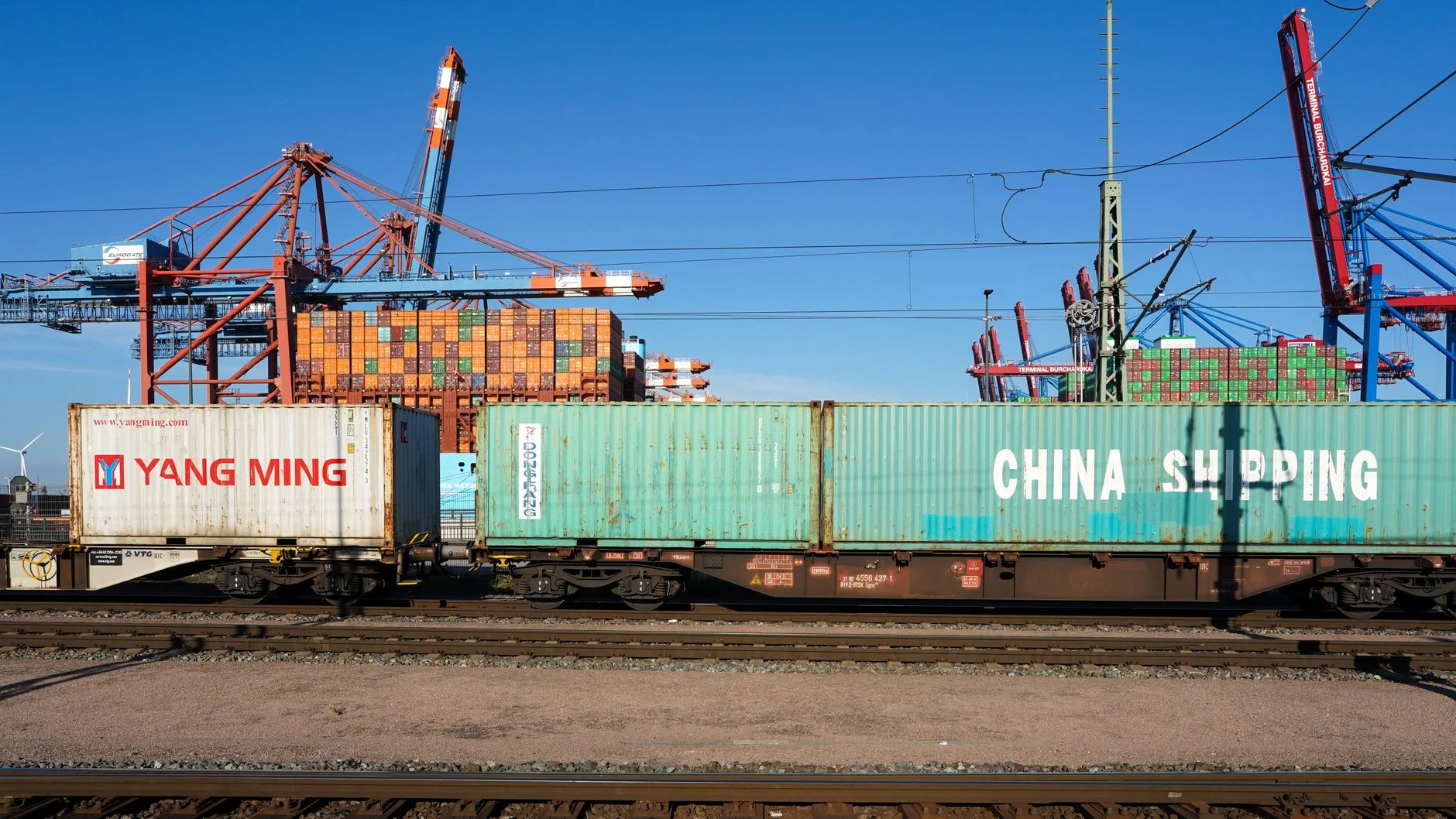
What happened
Recent years have seen intensified focus on upgrading and expanding port facilities alongside significant investments in rail freight infrastructure across multiple regions. Governments and private stakeholders have committed substantial capital to enhance capacity, efficiency, and connectivity within key maritime and land transport corridors. These developments reflect a strategic response to evolving global trade patterns, supply chain vulnerabilities, and competitive pressures in logistics networks.
Why it matters
The interplay between port modernization and rail freight expansion holds profound implications for international commerce. Efficient infrastructure reduces transit times, lowers transportation costs, and increases the reliability of supply chains. This, in turn, affects the distribution of trade volumes, the attractiveness of trade hubs, and the economic fortunes of regions integrated into global logistics chains. Understanding these dynamics is critical for policymakers, businesses, and analysts seeking to anticipate shifts in trade routes and competitive advantage.
Industry context
The global logistics landscape is shaped by a constellation of factors including evolving trade agreements, technological innovation, and geopolitical considerations. Ports serve as crucial nodes where maritime and terrestrial transport intersect, while rail networks offer a cost-effective and environmentally preferable alternative to road freight for inland distribution. Investments in these infrastructures have accelerated in response to congestion challenges, environmental regulations, and the imperative to diversify supply chains post-pandemic. Moreover, regional initiatives aimed at improving connectivity—such as transcontinental rail corridors and deep-water port facilities—reflect broader ambitions to capture greater shares of global trade flows.
Analysis
Effective port and rail infrastructure investments do not merely increase throughput capacity; they recalibrate the spatial and economic logic of trade. Enhanced port facilities capable of accommodating larger vessels and faster cargo handling reduce bottlenecks that have historically constrained efficiency. Complementary rail investments extend the hinterland reach of ports, enabling faster, more reliable inland freight movement and linking production centers with consumer markets. These improvements can shift trade patterns by incentivizing the use of certain ports over others, reshaping regional economic geography.
However, such infrastructure projects also present challenges. They require extensive coordination across multiple jurisdictions and stakeholders and demand long-term planning horizons. The environmental impact of expanding infrastructure, particularly in sensitive coastal or rural areas, necessitates careful management. Furthermore, the rise in capacity must be matched by operational improvements and integration with digital logistics platforms to fully realize efficiency gains.
From a strategic perspective, investments in port and rail infrastructure are part of a broader effort to enhance supply chain resilience. By providing diversified routing options and reducing dependency on single chokepoints, these developments help mitigate risks posed by geopolitical tensions, natural disasters, or global disruptions. Nonetheless, the benefits will be unevenly distributed, favoring regions that successfully integrate infrastructure upgrades with broader economic and trade policies.
What to watch next
Looking ahead, attention should focus on the evolution of multimodal logistics hubs that synergize port and rail capacities with road and air transport. The degree to which infrastructure investments translate into measurable improvements in trade efficiency and cost competitiveness will be a key indicator of success. Additionally, the role of emerging technologies—such as automation, digital tracking, and green energy solutions—in optimizing infrastructure use warrants close observation. Finally, geopolitical developments and shifts in trade alliances will influence investment priorities and the alignment of infrastructure networks with global economic trends.
Ask AI about this story
Answers are based on this article and SN Media’s related coverage. AI can make mistakes.
Frequently asked questions
What are the main reasons behind recent investments in port and rail infrastructure?
Investments have been driven by the need to enhance capacity, efficiency, and connectivity in response to evolving global trade patterns, supply chain vulnerabilities, congestion challenges, environmental regulations, and the desire to diversify supply chains post-pandemic.
How do port and rail infrastructure improvements affect global trade flows?
These improvements reduce transit times and transportation costs while increasing supply chain reliability, which can shift trade patterns by making certain ports more attractive and reshaping regional economic geography.
What challenges are associated with expanding port and rail infrastructure?
Challenges include the need for extensive coordination across jurisdictions and stakeholders, long-term planning, managing environmental impacts in sensitive areas, and ensuring operational improvements and digital integration to fully realize efficiency gains.
What future developments should be monitored to assess the impact of these infrastructure investments?
Key areas to watch include the evolution of multimodal logistics hubs combining port, rail, road, and air transport, measurable improvements in trade efficiency and cost competitiveness, the adoption of emerging technologies like automation and green energy, and the influence of geopolitical shifts on investment priorities.
Continue the story
 LATEST
Climate Change and the Rhine: How Extreme Weather Disrupts European Supply Chains
LATEST
Climate Change and the Rhine: How Extreme Weather Disrupts European Supply Chains
- LATEST Global Fuel Supply Chains Under Strain: How Geopolitics Are Driving Diesel Prices Up
- LATEST US-China Trade Talks in New York: Implications for Global Markets
- LATEST Europe’s Strategic Fuel Reserves: Can Releasing Stocks Ease Diesel Price Inflation?
- LATEST The Economic and Environmental Costs of Heathrow’s Third Runway Expansion