







The Historical Roots of Modern Border Demarcation Disputes
What happened
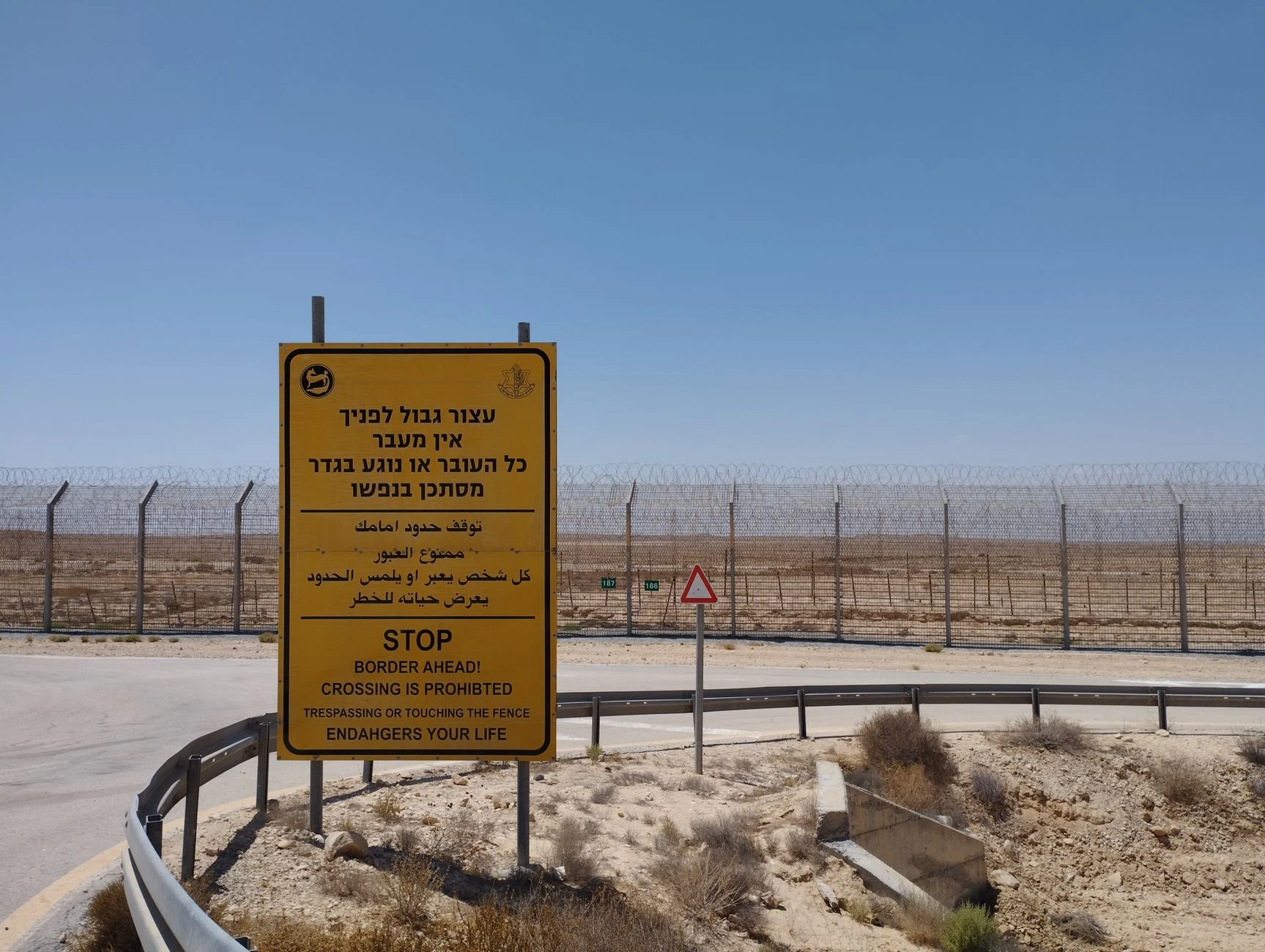
Border disputes remain a persistent feature of the international landscape, frequently resurfacing in diplomatic dialogues and occasionally escalating into conflict. These disputes often arise from complex historical antecedents, rather than recent developments alone. Understanding the deep-rooted origins of such territorial disagreements requires a careful examination of colonial-era boundary delineations, the legacies of treaties that defined—and often ambiguously described—borders, and the evolving geopolitical dynamics that shape claims over contested areas.
Why it matters
Borders define sovereignty, influence resource control, and affect the security and identity of populations. Disputes over borders can undermine regional stability, complicate international relations, and hinder economic development. A nuanced comprehension of their historical genesis is essential for policymakers, scholars, and international mediators seeking durable solutions. Without such context, contemporary negotiations risk repeating past mistakes or overlooking underlying grievances that fuel tensions.
Industry context
The domain of international boundary studies intersects with geopolitics, international law, and conflict resolution. Entities engaged in diplomacy, defense analysis, and global governance increasingly rely on multidisciplinary approaches to interpret these disputes. Historical cartography, treaty analysis, and ethnographic studies are critical tools within this field. Moreover, institutions such as the United Nations and regional organizations often confront these disputes in their peacekeeping and mediation efforts, underscoring the practical implications beyond academic discourse.
Analysis
Many contemporary border disputes trace their origins to colonial-era interventions where imperial powers delineated territorial boundaries with limited regard for indigenous populations, existing political entities, or geographic realities. Arbitrary lines drawn on maps—often to serve administrative convenience or imperial rivalries—laid the groundwork for ambiguous claims. Treaties signed under unequal power dynamics compounded these issues, frequently containing vague language or contradictory provisions regarding territorial extent.
Additionally, shifts in geopolitical landscapes—such as decolonization, the emergence of new states, or changes in regional power balances—have reactivated dormant disputes or created new ones. In some cases, the post-colonial states inherited boundary definitions without internationally recognized arbitration mechanisms, resulting in protracted disagreements. The interplay between historical documentation, local realities, and international legal principles complicates resolution efforts.
Importantly, modern technological advances in cartography and geospatial intelligence have transformed how these disputes are approached, offering greater precision but also sometimes highlighting previously overlooked ambiguities. Furthermore, the increasing strategic and economic value of border regions—due to natural resources or trade routes—intensifies the stakes involved.
What to watch next
Future developments in border dispute resolution will likely hinge on integrating historical analysis with contemporary diplomatic innovation. Key areas to observe include the role of international judicial bodies and arbitration panels in clarifying treaty ambiguities, the application of advanced geospatial technologies in boundary demarcation, and the influence of regional power shifts on negotiation dynamics. Additionally, the evolving norms in international law regarding self-determination and territorial integrity may further shape dispute outcomes. Ultimately, sustainable resolutions will depend on balancing respect for historical claims with pragmatic approaches tailored to present-day geopolitical realities.
Ask AI about this story
Answers are based on this article and SN Media’s related coverage. AI can make mistakes.
Frequently asked questions
What are the main historical factors contributing to modern border disputes?
Modern border disputes often originate from colonial-era boundary delineations made without regard for indigenous populations or geographic realities, compounded by treaties with vague or contradictory language signed under unequal power dynamics.
How do shifting geopolitical landscapes affect border disputes?
Changes such as decolonization, emergence of new states, and regional power shifts have reactivated dormant disputes or created new ones, especially when post-colonial states inherited boundaries lacking recognized arbitration mechanisms.
What role do modern technologies play in resolving or complicating border disputes?
Advances in cartography and geospatial intelligence provide greater precision in boundary demarcation but can also highlight previously overlooked ambiguities, influencing how disputes are approached and negotiated.
What future developments might influence the resolution of border disputes?
Future resolution efforts will likely involve international judicial bodies clarifying treaty ambiguities, use of advanced geospatial technologies, regional power dynamics, and evolving international legal norms on self-determination and territorial integrity.
Continue the story
 LIVE · Follow the latest developments
Hurricane Simon live: Strengthens to Category 4, nears Mexico’s Pacific coast
LIVE · Follow the latest developments
Hurricane Simon live: Strengthens to Category 4, nears Mexico’s Pacific coast