








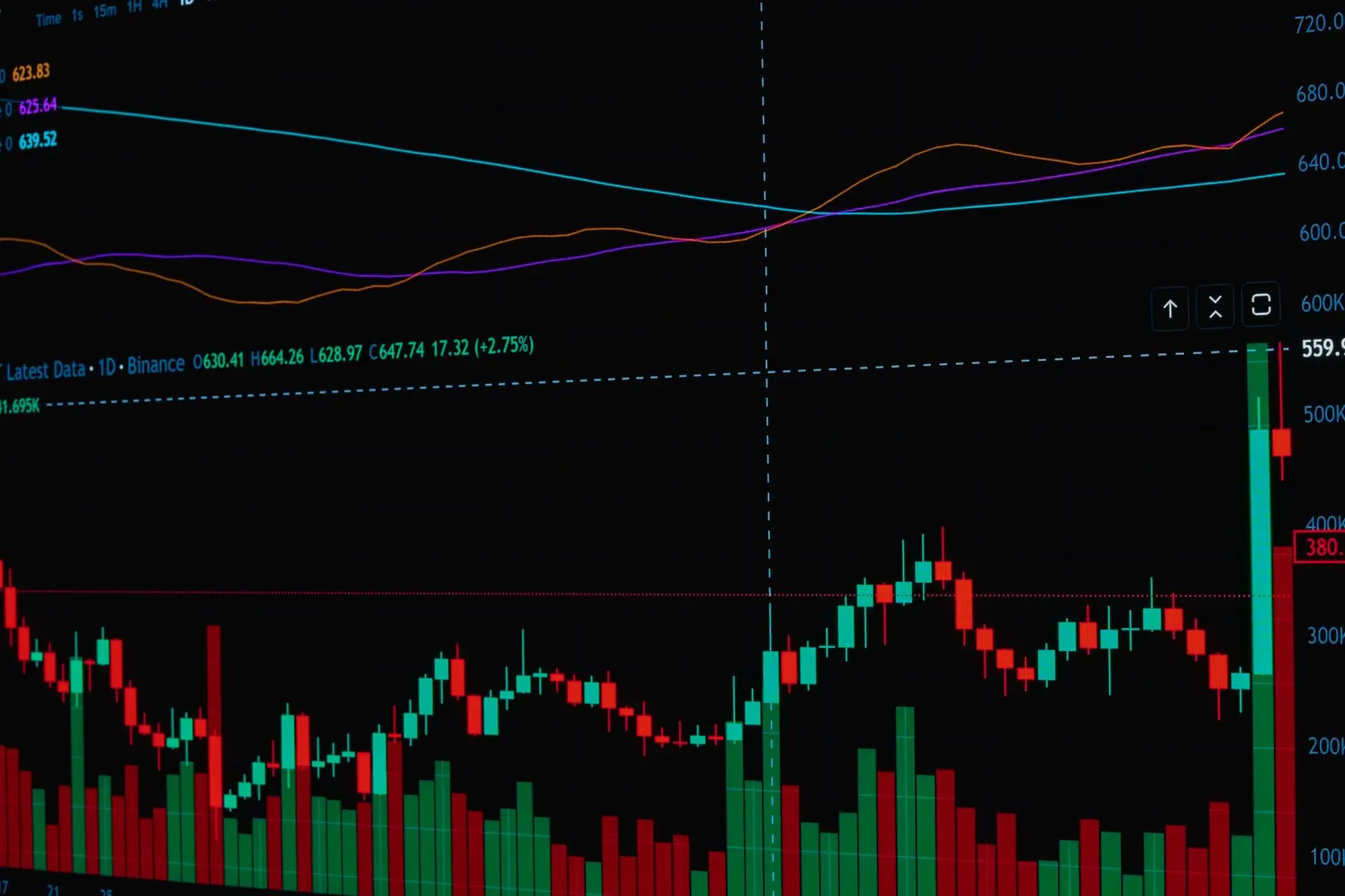
- AI-driven innovation is amplifying economic disruption, increasing fixed income market volatility.
- Traditional safe havens like Treasuries are regaining appeal amid algorithmic trading turbulence.
- Portfolio managers are reevaluating bond allocations to mitigate risks posed by rapid technological shifts.
- Regulatory and structural market responses remain critical variables shaping fixed income dynamics.
What Happened
The integration of artificial intelligence (AI) into global financial markets has accelerated economic disruption and intensified volatility, particularly within fixed income assets. As AI-powered trading algorithms become more pervasive, their capacity to react instantaneously to new data and market signals has introduced heightened price fluctuations in government bonds and investment-grade credit. This environment is prompting major institutional investors, exemplified by firms such as PIMCO, to reassess the role of Treasuries and high-quality bonds as cornerstones of portfolio stability and risk management.
Why It Matters
Fixed income securities have traditionally served as a ballast during equity market turmoil and economic uncertainty. However, the unpredictable nature of AI-driven market behaviors challenges established assumptions about bond market resilience. The increased sensitivity of bonds to AI-fueled trading patterns can undermine their function as safe havens, compelling investors to reconsider strategic allocations. This reassessment carries significant implications for portfolio construction, capital preservation, and regulatory oversight, as market participants seek to navigate a landscape where technological innovation reshapes risk profiles in real time.
Industry Context
Fixed income markets have long been influenced by macroeconomic factors, central bank policies, and credit fundamentals. The recent wave of AI adoption introduces a new layer of complexity. Algorithmic trading systems powered by machine learning models can identify and exploit market inefficiencies within milliseconds, amplifying liquidity pressures during stress episodes. Moreover, AI applications in credit risk assessment and macroeconomic forecasting alter traditional valuation models, influencing investor behavior. Regulatory frameworks have yet to fully adapt to these technological shifts, leaving market infrastructure and transparency under scrutiny as volatility patterns evolve.
Analysis
The rise of AI-driven market activity intensifies feedback loops within fixed income trading. For instance, when AI models detect signals of economic disruption, they may trigger rapid bond sell-offs or shifts toward perceived safe assets, which in turn affect yields and spreads. This reflexivity can exacerbate market swings beyond what fundamentals alone would justify. Consequently, investors and portfolio managers face a trade-off: increasing bond allocations to hedge against equity volatility while confronting the possibility that AI-induced dynamics may erode traditional bond stability. These forces also highlight the importance of liquidity management and stress testing tailored to algorithmic market environments.
Additionally, the heterogeneity of AI systems—varying in design, data inputs, and risk tolerances—introduces unpredictability in market reactions, complicating risk models that rely on historical correlations. This necessitates enhanced scenario analysis that incorporates technological disruption as a core risk factor. The interplay between AI-driven trading and fixed income instruments underscores a broader shift toward viewing market volatility as a structural feature rather than a transient anomaly.
What to Watch Next
Market participants and regulators will closely monitor how AI-related trading behaviors evolve amid changing economic conditions and monetary policies. Key indicators include changes in bond market liquidity, volatility spikes correlated with AI activity, and shifts in yield curve dynamics. Regulatory responses, such as enhanced disclosure requirements for algorithmic trading and stress testing frameworks that incorporate AI risks, will be pivotal. Furthermore, developments in AI transparency and interpretability could influence investor confidence and market stability. The ongoing dialogue between technology innovators, financial institutions, and policymakers will shape the future contours of fixed income investment strategies in an AI-driven era.
Ask AI about this story
Answers are based on this article and SN Media’s related coverage. AI can make mistakes.
Frequently asked questions
How is AI-driven trading affecting fixed income market volatility?
AI-powered trading algorithms react instantaneously to new data, causing heightened price fluctuations and amplifying volatility in government bonds and investment-grade credit.
Why are investors reconsidering the role of Treasuries and high-quality bonds?
The unpredictable nature of AI-driven market behaviors challenges the traditional view of bonds as safe havens, prompting investors to reassess allocations to manage risks from rapid technological shifts.
What challenges do AI systems introduce to fixed income risk modeling?
The heterogeneity of AI systems and their varying designs and risk tolerances create unpredictability in market reactions, complicating risk models that depend on historical correlations and necessitating enhanced scenario analysis.
What regulatory developments are anticipated in response to AI-driven market changes?
Regulatory responses may include enhanced disclosure requirements for algorithmic trading and stress testing frameworks that incorporate AI risks, though these measures remain under development as market infrastructure adapts.
Continue the story
 BACKGROUND · How we got here
How AI Concerns Are Shaping Treasury Market Dynamics in 2024