








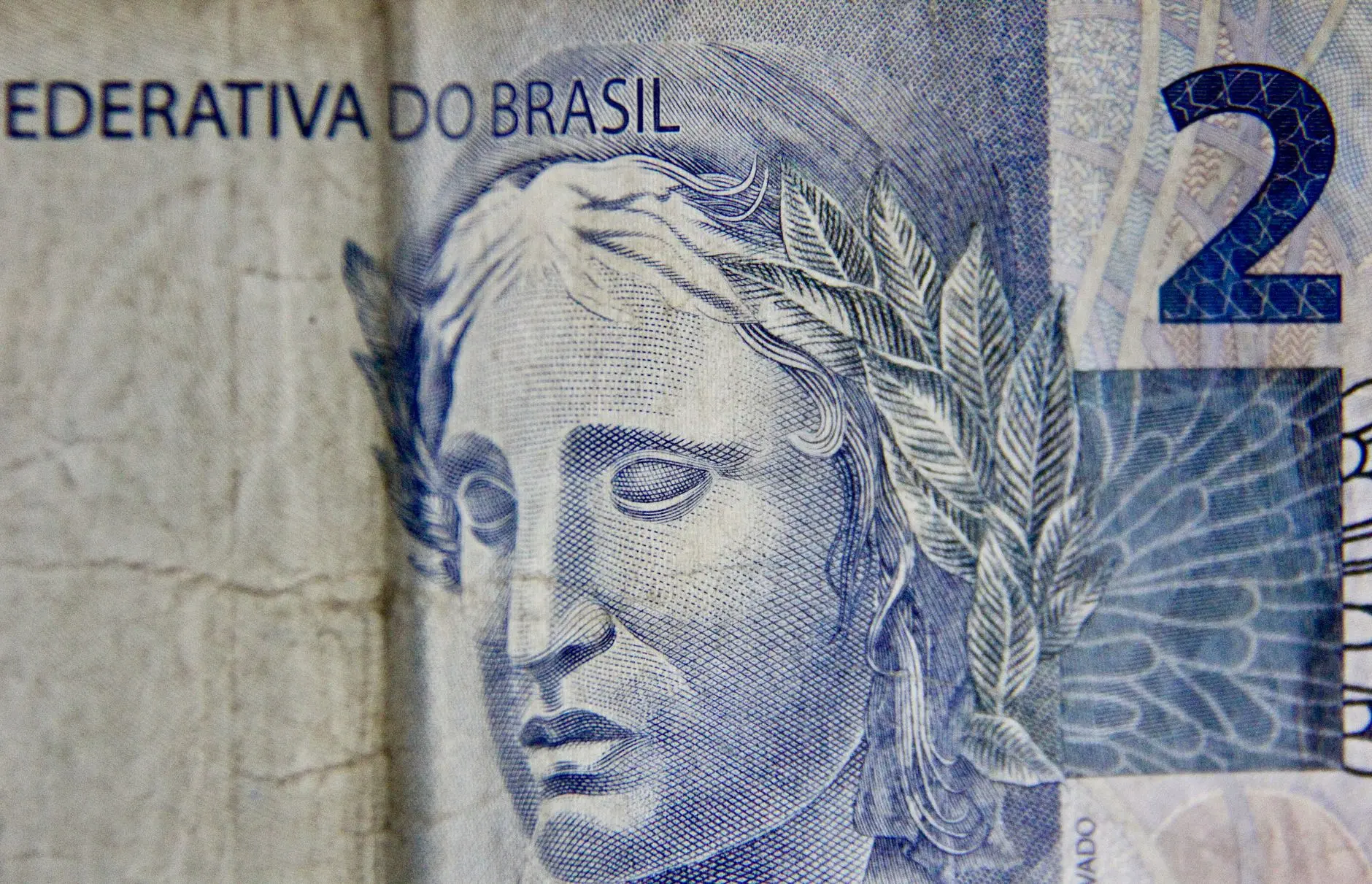
- The US Federal Reserve’s continued interest rate hikes have bolstered the dollar’s value despite global economic uncertainties.
- Market expectations of the Fed’s policy path remain a critical factor influencing currency volatility and investor positioning.
- Emerging markets face heightened pressure as a stronger dollar amplifies capital outflows and debt servicing costs.
- Long-term dollar strength depends on the interplay between US economic resilience and shifts in global monetary policies.
What happened
The US dollar has sustained notable strength into 2024, largely propelled by the Federal Reserve’s ongoing interest rate increases. Analysts, including Goldman Sachs economist Kamakshya Trivedi, have highlighted that the dollar retains “some fight left” amid a rate trajectory that remains higher for longer than many had anticipated. While global economic growth shows signs of uneven recovery and geopolitical tensions persist, the Fed’s commitment to tightening monetary policy stands as a dominant driver behind the dollar’s current momentum. This dynamic has unfolded against a backdrop of recalibrating expectations about inflation, labor markets, and international capital flows.
Why it matters
The trajectory of the US dollar holds significant implications for international finance, trade balances, and emerging economies. A stronger dollar elevates the cost of dollar-denominated debt for developing countries, exacerbating vulnerabilities in economies reliant on external borrowing. Moreover, it influences commodity prices and global purchasing power, with ripple effects across supply chains and inflation rates worldwide. Investors closely monitor the Fed’s signals as shifts in interest rates recalibrate risk perceptions and asset allocations, underscoring the dollar’s role as the world’s primary reserve currency. Understanding this trajectory is crucial for policymakers and market participants preparing for potential volatility and strategic adjustments.
Industry context
The current phase of dollar strength follows a prolonged period of accommodative monetary policy in the post-pandemic era. Central banks globally have been navigating a complex environment marked by inflationary pressures, supply chain disruptions, and geopolitical uncertainty. While some economies have begun easing policy, the Federal Reserve’s approach remains comparatively hawkish. This divergence has accentuated the dollar’s appeal as a safe haven and yield-bearing asset. Financial institutions and multinational corporations adjust their currency hedging strategies accordingly, while emerging market economies confront tightening financial conditions. The interplay between US monetary policy and global fiscal developments continues to shape the currency landscape in profound ways.
Analysis
The resilience of the US dollar amid the Federal Reserve’s rate increases reflects deeper structural and cyclical factors. Trivedi’s assessment underscores the notion that the dollar’s appreciation is not merely a reaction to incremental rate hikes but is supported by relative economic strength and policy credibility. The Fed’s ability to maintain inflation near target without triggering recession reinforces confidence in dollar-denominated assets. However, this dynamic is not without trade-offs. Elevated rates increase borrowing costs domestically, potentially dampening investment and consumption over time. Internationally, capital flows tend to gravitate toward higher-yielding dollar assets, inducing volatility in emerging markets and complicating their monetary policy responses. The dollar’s path will thus depend on how these competing forces balance out amid evolving macroeconomic conditions.
What to watch next
Key indicators to monitor include the Federal Reserve’s communications on future rate decisions, US economic data on inflation and employment, and shifts in global monetary policy stances. Market expectations, as reflected in futures and options prices, will reveal investor sentiment toward the sustainability of dollar strength. Additionally, developments in emerging market debt sustainability and geopolitical tensions may influence capital flows and currency volatility. The potential for a pivot in US policy or a synchronized global tightening cycle could alter the dollar’s trajectory substantially. Observers should also keep an eye on macroprudential measures in vulnerable economies seeking to mitigate the impact of a stronger dollar on their financial systems.
Ask AI about this story
Answers are based on this article and SN Media’s related coverage. AI can make mistakes.
Frequently asked questions
What is driving the US dollar's strength in 2024 according to the article?
The US dollar's strength in 2024 is primarily driven by the Federal Reserve's ongoing interest rate hikes and its commitment to maintaining a higher-for-longer rate trajectory, supported by relative US economic resilience and policy credibility.
How does the stronger US dollar affect emerging market economies?
A stronger US dollar increases the cost of servicing dollar-denominated debt for emerging markets, exacerbating financial vulnerabilities and inducing capital outflows that complicate their monetary policy responses.
What factors will influence the future trajectory of the US dollar?
The future trajectory depends on the interplay between US economic data on inflation and employment, Federal Reserve communications on rate decisions, shifts in global monetary policies, emerging market debt sustainability, and geopolitical developments.
What are the potential trade-offs of the Federal Reserve's interest rate increases mentioned in the article?
While higher rates support the dollar and inflation control, they also raise domestic borrowing costs, which may dampen investment and consumption over time, and contribute to volatility in emerging markets due to capital flows toward dollar assets.
Continue the story
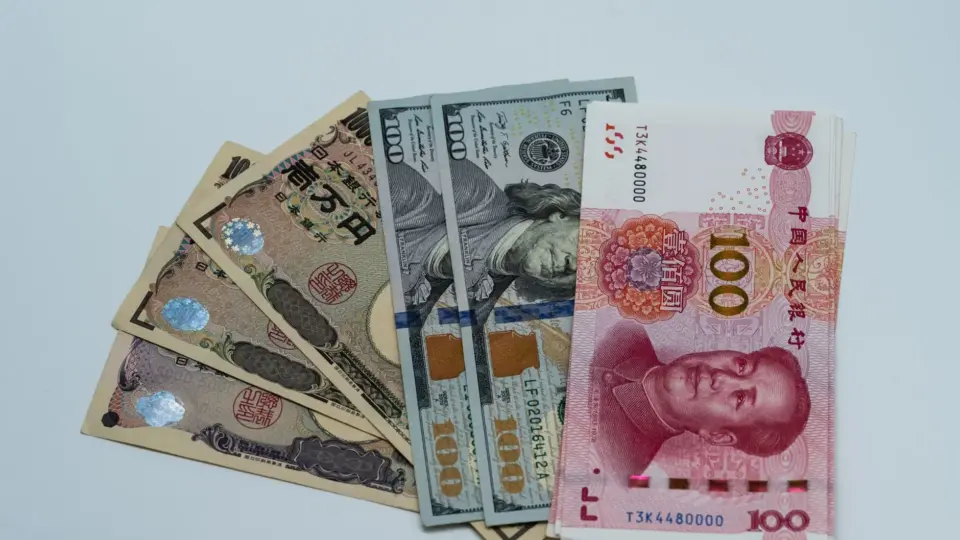 BACKGROUND · How we got here
How Rising US Interest Rates Are Reshaping Global Currency Markets