








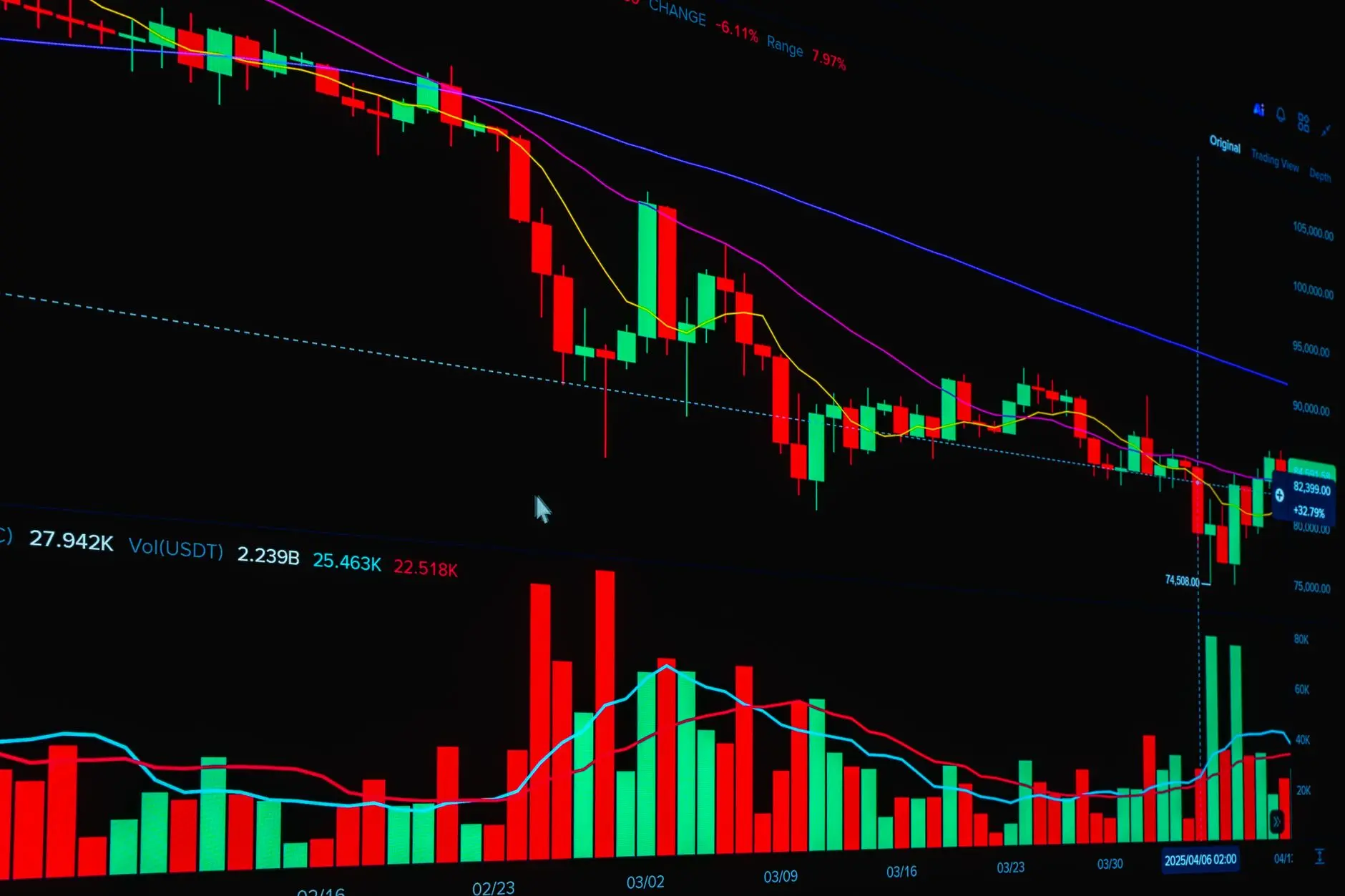
- Speculative enthusiasm around AI’s metal demand has amplified copper price swings.
- Recent price corrections reflect a disconnect between futures markets and physical supply constraints.
- Financialized trading mechanisms exacerbate volatility amid shifting industrial fundamentals.
- Market participants face heightened uncertainty balancing long-term demand growth against short-term speculative dynamics.
Copper Market Volatility Amid AI-Driven Speculation
Copper prices have experienced pronounced volatility in recent months, driven in significant part by speculative fervor linked to the anticipated surge in demand from artificial intelligence (AI) technologies. After a steep selloff, prices rebounded, underscoring the complex interplay between physical market tightness and financial market dynamics. This price gyration illustrates the challenges commodity markets face when investor sentiment—often shaped by technological hype—diverges from tangible supply and demand realities.
Why This Volatility Matters
Copper is a bellwether commodity, integral to infrastructure, electronics, and increasingly, green energy transitions. Its price movements carry implications for inflation, industrial planning, and investment flows in multiple economies. The recent episode exposes vulnerabilities in relying on futures markets as a barometer of physical supply-demand balances. When speculative forces amplify price swings beyond what inventory and production data justify, they can distort signals critical for producers, consumers, and policymakers alike.
Context Within Commodity and Financial Markets
Commodity markets have long been influenced by speculative activity, but the rise of algorithm-driven trading and thematic investment linked to emerging technologies has intensified these effects. In copper’s case, expectations about AI’s insatiable metal appetite have attracted a wave of financial investors betting on sustained price increases. This has coincided with tightening physical supplies due to limited new mining capacity and geopolitical disruptions in key producing regions. Yet, the futures market’s rapid adjustments often overshoot, reflecting liquidity-driven momentum rather than underlying fundamentals.
Analytical Perspectives on the Current Dynamics
The copper market’s recent volatility underscores a structural tension between industrial demand growth and financial speculation. On one side, the transition to AI and electrification genuinely boosts long-term copper consumption. On the other, speculative positioning—magnified by leverage, derivatives, and high-frequency trading—can detach prices from immediate supply constraints. This decoupling complicates risk management for producers and end-users, who must navigate not only geological and geopolitical risks but also the whims of increasingly financialized trading venues. Additionally, the market’s sensitivity to narrative shifts—such as revised AI adoption forecasts or technological breakthroughs in materials science—creates feedback loops that intensify price swings.
What to Watch Next in Copper Markets
Market observers will be closely monitoring inventory levels at major warehouses, production reports from dominant mining companies, and geopolitical developments in countries like Chile and the Democratic Republic of Congo. Equally important will be the behavior of financial markets: changes in speculative open interest, margin requirements, and regulatory responses to derivative trading practices. The trajectory of AI deployment itself—whether it confirms or disappoints current demand projections—will shape copper’s medium-term fundamentals. Ultimately, the market’s ability to reconcile speculative excess with physical realities will determine if copper prices stabilize or remain prone to episodic volatility.
Ask AI about this story
Answers are based on this article and SN Media’s related coverage. AI can make mistakes.
Frequently asked questions
What has caused the recent volatility in copper prices?
The recent volatility is largely driven by speculative enthusiasm linked to anticipated AI-driven demand, combined with a disconnect between futures market activity and physical supply constraints.
How does AI hype influence copper market dynamics?
AI hype attracts financial investors betting on sustained price increases, which amplifies speculative positioning and price swings beyond what physical supply and demand fundamentals justify.
What are the risks of this speculative volatility for market participants?
Speculative volatility complicates risk management by detaching prices from immediate supply constraints, creating uncertainty for producers and end-users who must also consider geological and geopolitical risks.
What factors will influence copper market stability going forward?
Key factors include inventory levels, mining production reports, geopolitical developments in major producing countries, changes in speculative trading behavior, regulatory responses, and the actual pace of AI deployment relative to demand projections.
Continue the story
 LATEST
How AI Advancements Are Reshaping Metals Markets Amid Economic Uncertainty