








What happened
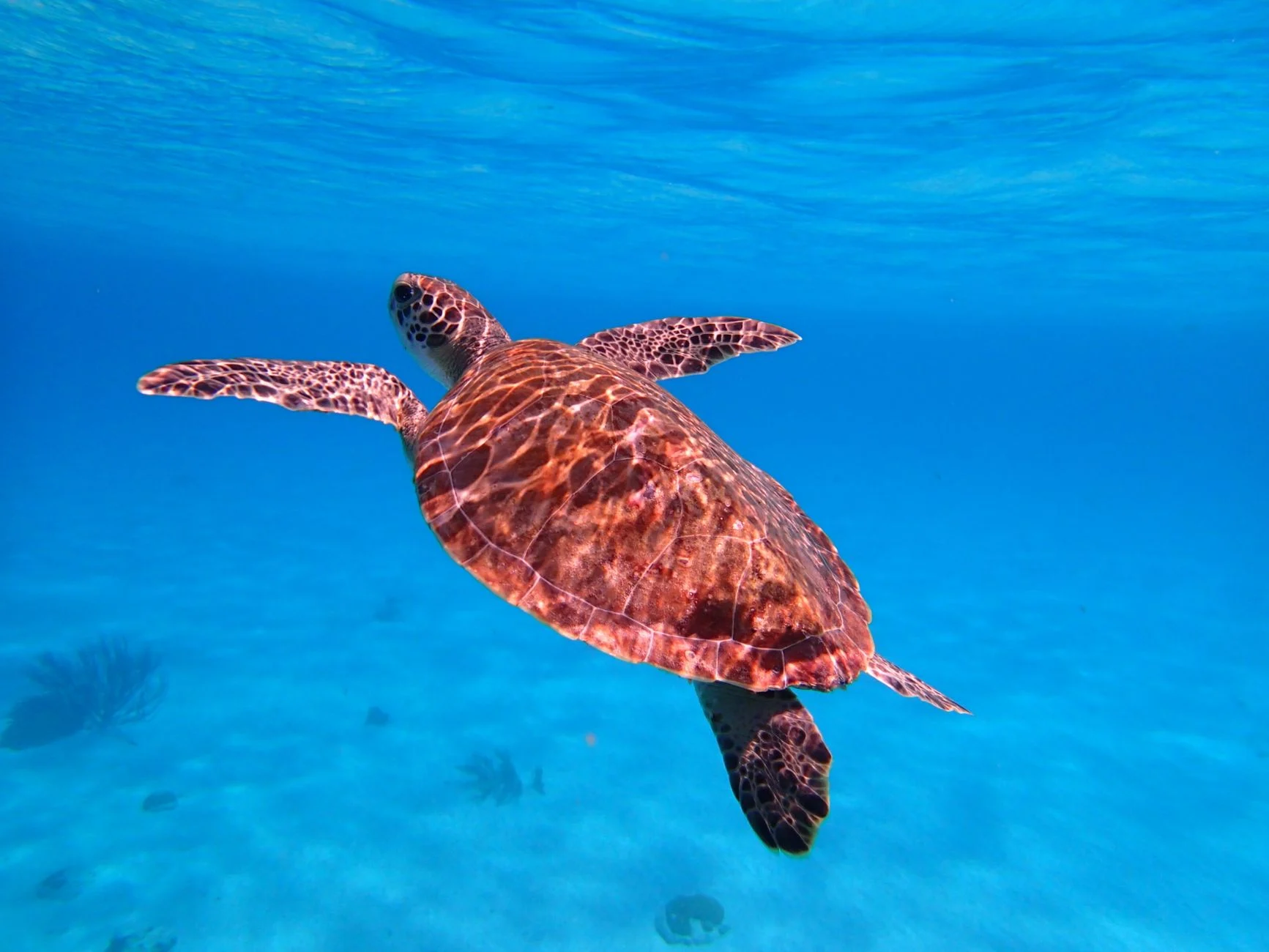
A rare turtle, identified as a critically endangered species native to the Caribbean, has recently completed an extraordinary 5,000-mile journey from Wales back to its natural habitat in the Caribbean Sea. This repatriation effort involved extensive collaboration between conservationists, scientists, and international wildlife authorities. The turtle’s relocation marks a significant milestone in ongoing efforts to restore vulnerable marine populations to their indigenous environments.
Why it matters
The repatriation of this rare turtle underscores the complex interplay between scientific conservation methods and the ethical imperative to preserve biodiversity. The successful return of a species to its native ecosystem is more than a logistical accomplishment; it symbolizes hope for reversing the decline of endangered wildlife. Furthermore, it highlights the global responsibility to safeguard species that face threats from habitat loss, climate change, and human activity.
Industry context
Wildlife repatriation projects are increasingly prevalent as international conservation bodies seek to mitigate the impact of environmental degradation and human encroachment. The movement of animals across continents demands a nuanced approach, balancing biology, regulatory compliance, and animal welfare. This case reflects a broader trend where scientific expertise and international cooperation converge to support species recovery programs, often involving complex transport logistics and habitat assessments.
Analysis
The journey of this rare turtle illustrates several critical factors in contemporary conservation science. First, the identification and tracking of individual animals enable precise interventions tailored to species-specific needs. Second, the extensive preparatory work required—ranging from health screenings to acclimatization protocols—demonstrates the rigor necessary for repatriation to succeed without compromising animal welfare. Third, the emotional resonance of such projects galvanizes public interest and funding, which are essential for sustaining long-term conservation efforts. However, challenges remain, including ensuring that reintroduced animals can adapt and thrive in environments altered by climate change and human activity.
What to watch next
Future developments will focus on monitoring the turtle’s adaptation to its native ecosystem and evaluating the broader impact on local biodiversity. Advances in tracking technology and habitat restoration techniques will play a pivotal role in assessing the success of this and similar repatriation initiatives. Additionally, the international community’s response to emerging conservation challenges, such as marine pollution and illegal wildlife trade, will influence the viability of such efforts moving forward. Close attention to policy frameworks and funding mechanisms will be essential to support these complex, transnational conservation endeavors.
Ask AI about this story
Answers are based on this article and SN Media’s related coverage. AI can make mistakes.
Frequently asked questions
What species was the turtle that was repatriated from Wales to the Caribbean?
The turtle is a critically endangered species native to the Caribbean, though the article does not specify its exact species name.
What were the main challenges involved in repatriating the turtle?
Challenges included extensive preparatory work such as health screenings and acclimatization protocols, ensuring animal welfare during the 5,000-mile journey, and addressing the turtle's ability to adapt to an environment altered by climate change and human activity.
Why is this repatriation effort significant beyond just moving the turtle?
It symbolizes hope for reversing the decline of endangered wildlife, highlights the global responsibility to protect biodiversity, and demonstrates the complex interplay between scientific conservation methods and ethical imperatives.
What are the next steps after the turtle's return to its native habitat?
Future efforts will focus on monitoring the turtleu2019s adaptation to its ecosystem, evaluating impacts on local biodiversity, advancing tracking and habitat restoration technologies, and addressing broader conservation challenges such as marine pollution and illegal wildlife trade.
Continue the story
 LATEST
The Strategic Fallout of the Exxon-Pioneer $60 Billion Deal: Leadership and Trust in Oil Giants
LATEST
The Strategic Fallout of the Exxon-Pioneer $60 Billion Deal: Leadership and Trust in Oil Giants
- LATEST Climate Change and the Rhine: How Extreme Weather Disrupts European Supply Chains
- LATEST Unveiling the Hidden Economic Impact of AI: Beyond Official Data
- LATEST Global Health Security and the Risk of Plague Resurgence in Siberia
- LATEST How Nobel Prize-Winning Decision Science is Shaping Modern Investment Strategies