






- Democratic control of Congress signals a regulatory pivot toward stricter crypto oversight.
- Previous bipartisan leniency under Trump-era policies is unlikely to continue.
- New legislation will prioritize consumer protection, market stability, and anti-money laundering enforcement.
- Crypto firms must recalibrate strategies to navigate an increasingly complex regulatory environment.
The End of an Era: What Happened
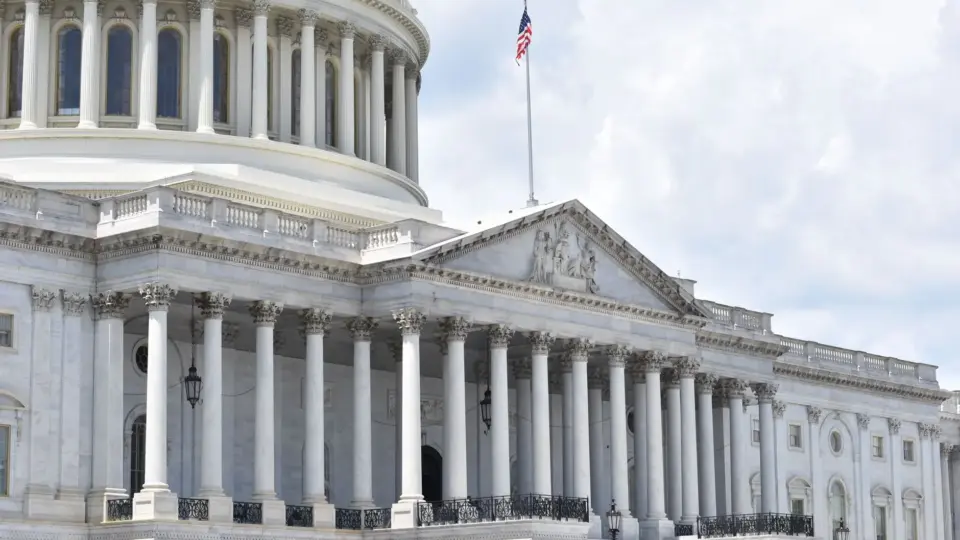
The November 2026 midterm elections have delivered a decisive shift in the United States Congress, placing Democrats back in control of both chambers. This transition marks a watershed moment for the cryptocurrency industry, which has enjoyed a comparatively permissive regulatory environment during the past several years. The Trump administration’s approach, characterized by a light touch and an emphasis on innovation-friendly policies, facilitated a political climate conducive to rapid growth and speculative investment. With Democrats steering the legislative agenda, the crypto sector faces a fundamental reorientation toward increased scrutiny and regulatory rigor.
Why It Matters
This political realignment matters because it effectively ends the “Washington honeymoon” period for crypto firms, which benefited from regulatory ambiguity and limited enforcement. Democratic lawmakers have consistently expressed concerns over the volatility, consumer risks, and potential illicit uses of digital assets. The new congressional majority is expected to push forward comprehensive regulatory frameworks that could reshape the operational landscape of the industry. These changes will not only affect compliance burdens but may also influence market dynamics, investor confidence, and the innovation trajectory of blockchain technologies.
Industry Context
The crypto industry’s regulatory challenges have long been entangled with broader questions about the role of decentralized finance, the adequacy of existing securities laws, and the balance between innovation and risk mitigation. Previous attempts to clarify crypto regulation, such as the SEC’s enforcement actions and the FinCEN guidance on anti-money laundering, often fell short of providing clear, uniform standards. The Trump administration’s policy stance favored fostering the sector’s growth by limiting intervention, partly to compete with China’s state-backed digital currency initiatives. However, the explosive market volatility and a series of high-profile collapses have amplified calls within the Democratic Party for more aggressive oversight.
Analysis
The Democratic Congress is poised to leverage its majority to enact legislation that addresses long-standing regulatory gaps. Key areas of focus will likely include establishing clearer definitions of digital assets under securities law, enhancing consumer protections through standardized disclosures, and strengthening anti-money laundering protocols. The influence of progressive financial reform advocates, combined with the Biden administration’s regulatory philosophy, suggests a coordinated approach involving both Congress and federal agencies such as the SEC, CFTC, and Treasury.
This shift introduces trade-offs for the industry. While stricter regulation could reduce fraud and increase institutional confidence, it also risks stifling innovation by imposing compliance costs and limiting the flexibility of decentralized protocols. Firms will need to invest in compliance infrastructure and adapt governance models to meet these demands. Moreover, the international dimension cannot be ignored; U.S. policy changes will reverberate globally, potentially impacting where crypto enterprises choose to domicile and the regulatory standards they face abroad.
What to Watch Next
Key developments to monitor include the introduction and progression of crypto-specific bills in Congress, as well as regulatory guidance updates from federal agencies. Stakeholders will be watching closely for compromises that balance investor protection with innovation incentives. Additionally, the response of major crypto firms—whether through lobbying, legal challenges, or strategic pivots—will shape the industry’s trajectory. International regulatory coordination, particularly with the EU and Asia, will also influence how effectively new U.S. policies integrate into the global financial ecosystem. The end of the crypto Washington honeymoon is only the beginning of a more complex chapter in digital asset regulation.
Ask AI about this story
Answers are based on this article and SN Media’s related coverage. AI can make mistakes.
Frequently asked questions
What does Democratic control of Congress mean for crypto regulation?
Democratic control signals a shift toward stricter oversight, ending the previous era of bipartisan leniency and leading to new legislation focused on consumer protection, market stability, and anti-money laundering enforcement.
How did the Trump administration's policies affect the crypto industry?
The Trump administration favored a light-touch regulatory approach that emphasized innovation and growth, creating a permissive environment that allowed rapid expansion and speculative investment in crypto.
What are the main regulatory priorities expected under the new Democratic majority?
Key priorities include clearer definitions of digital assets under securities law, enhanced consumer protections with standardized disclosures, and stronger anti-money laundering protocols, involving coordinated efforts by Congress and federal agencies like the SEC, CFTC, and Treasury.
What challenges and trade-offs will crypto firms face under increased regulation?
Firms will need to invest in compliance infrastructure and adapt governance to meet stricter rules, which could reduce fraud and boost institutional confidence but also risk stifling innovation and limit the flexibility of decentralized protocols.
Continue the story
 BACKGROUND · How we got here
How US Political Shifts Are Reshaping Global Equity Volatility
- BACKGROUND · How we got here How the Democratic Midterm Victory is Reshaping U.S. Critical Minerals Policy
- BACKGROUND · How we got here How US Midterm Election Results Impact European Financial Markets
- BACKGROUND · How we got here Global Markets React: How US Democratic Sweep Impacts UK and European Stocks
- BACKGROUND · How we got here Tech Sector Volatility: What the Data Center Clampdown Means for Chipmakers and Investors