
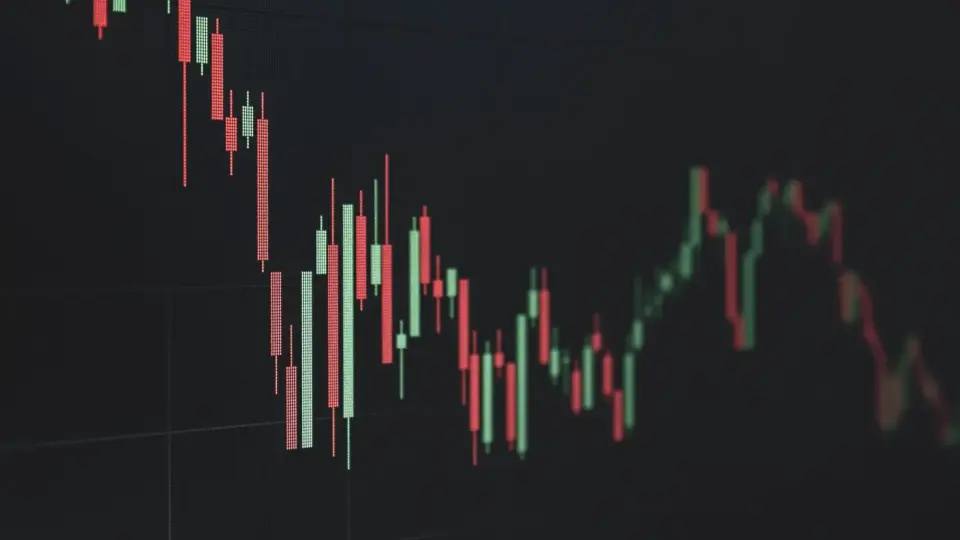








- Gold prices exhibit modest gains despite recent AI-triggered equity selloff.
- Investor shifts toward gold underscore demand for safe haven assets amid technological disruption.
- Federal Reserve policy uncertainty amplifies gold’s appeal as a hedge against volatility.
- Market dynamics reflect broader tensions between innovation-driven risk and traditional store-of-value assets.
What Happened
In the wake of a pronounced selloff in technology stocks linked to concerns over artificial intelligence advancements, gold prices have shown relative resilience. After experiencing a weekly dip, gold steadied and posted modest gains as market participants recalibrated their portfolios. This stabilization occurred even as the broader equity markets remained volatile, reflecting unease about the pace and implications of AI-driven innovation. Concurrently, investors are closely monitoring the upcoming Federal Reserve meeting, where monetary policy decisions are expected to influence risk sentiment and asset allocation strategies.
Why It Matters
Gold’s performance amid the turbulence highlights its enduring role as a safe haven during periods of economic and technological uncertainty. The recent AI-related selloff has introduced heightened volatility, prompting investors to seek assets that preserve capital value. The metal’s modest gains, despite pressure on riskier asset classes, underscore how market participants weigh the dual forces of innovation risk and monetary policy ambiguity. With the Federal Reserve’s future interest rate trajectory still unclear, gold’s appeal as a hedge against inflationary pressures and financial market instability gains renewed relevance.
Industry Context
The intersection of technological disruption and macroeconomic factors is reshaping traditional investment paradigms. AI’s rapid advancement has triggered widespread reassessment of corporate valuations, particularly in sectors highly exposed to automation and innovation cycles. Meanwhile, central banks face the challenge of balancing inflation control with support for economic growth, a tension that influences real yields and, by extension, gold prices. Historically, gold’s inverse correlation with real interest rates and equity volatility makes it a critical component in diversified portfolios, especially when policy signals remain ambiguous.
Analysis
Gold’s steadiness amid AI-induced equity selloffs reveals nuanced investor behavior. The metal’s safe haven status is not merely a reflexive response to market shocks but reflects strategic positioning against a backdrop of structural change. The AI sector’s disruption introduces idiosyncratic risks that complicate traditional risk-return calculations, incentivizing a flight to assets with intrinsic value independent of corporate earnings. Additionally, the Fed’s policy decisions, particularly regarding rate hikes or tapering, directly impact the opportunity cost of holding non-yielding assets like gold. As long as inflation concerns persist and interest rate direction remains uncertain, gold will likely maintain its role as a refuge in investor portfolios.
What to Watch Next
Attention will focus on the Federal Reserve’s forthcoming announcements and their interpretation by market participants. Any signals of a dovish tilt or prolonged rate hikes could further bolster gold’s status as a defensive asset. Simultaneously, developments in AI regulation, adoption rates, and corporate earnings within the tech sector will continue to influence equity market volatility and safe haven demand. Monitoring shifts in real interest rates and inflation expectations will be critical to anticipating gold’s trajectory, as will tracking central banks’ responses to evolving economic data amid ongoing technological transformation.
Ask AI about this story
Answers are based on this article and SN Media’s related coverage. AI can make mistakes.
Frequently asked questions
Why did gold prices show gains despite the AI-driven selloff in technology stocks?
Gold prices gained modestly because investors sought safe haven assets amid the volatility caused by AI-related market disruptions and uncertainty around Federal Reserve policies.
How does Federal Reserve policy uncertainty affect goldu2019s appeal?
Uncertainty about the Fedu2019s future interest rate decisions increases goldu2019s attractiveness as a hedge against inflation and financial market instability, since these policies influence risk sentiment and asset allocation.
What role does AI-induced market turbulence play in investor behavior toward gold?
AI-driven disruptions introduce unique risks that complicate traditional risk-return assessments, prompting investors to strategically position in gold as a store of intrinsic value independent of corporate earnings.
What factors will influence goldu2019s price movement going forward?
Goldu2019s trajectory will depend on Federal Reserve announcements, developments in AI regulation and adoption, shifts in real interest rates, inflation expectations, and central banksu2019 responses to economic data amid technological change.
Continue the story
 BACKGROUND · How we got here
The Impact of Gold’s Volatility on Global Investment Strategies
- BACKGROUND · How we got here The Sustainability of the AI Investment Boom: Market Reactions and Future Outlook
- BACKGROUND · How we got here How Oil Price Fluctuations Influence Gold Markets: A Deep Dive
- BACKGROUND · How we got here How Federal Reserve Rate Decisions Impact Gold Prices: An In-Depth Analysis
- BACKGROUND · How we got here Tech Stocks Surge: Assessing Investor Risk Amid AI-Driven Rally