
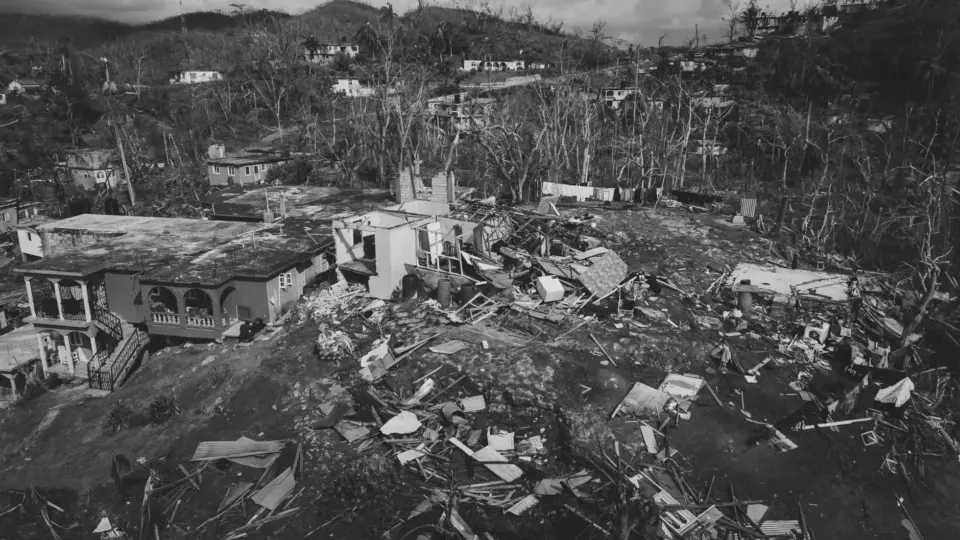






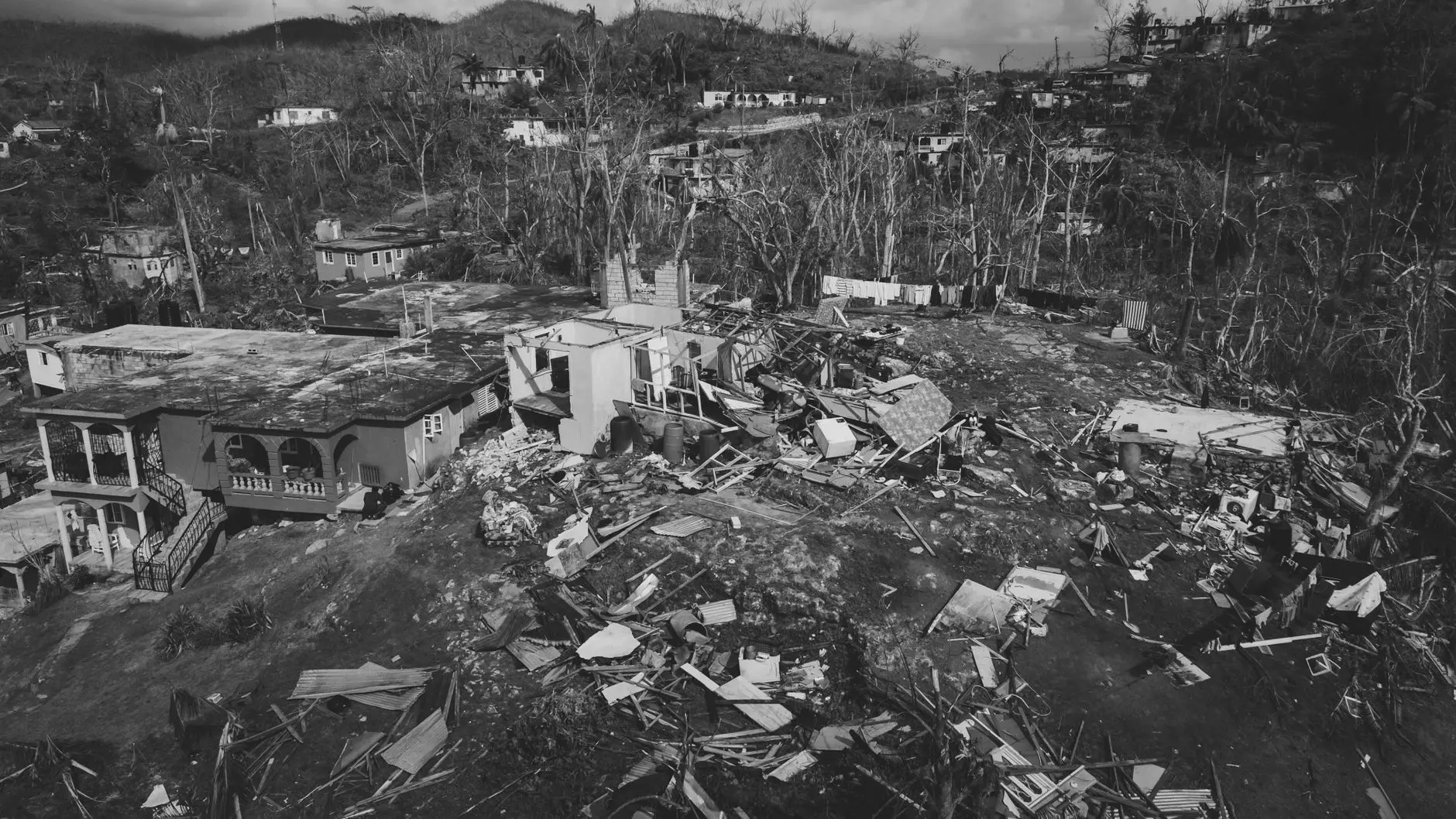
- Emergency responders across multiple states faced logistical challenges in rapid deployment amid widespread infrastructure damage.
- Power restoration efforts revealed vulnerabilities in grid resilience and coordination between utilities and government agencies.
- Community-based support networks played a crucial role in supplementing official aid during initial recovery phases.
- Interstate collaboration highlighted both strengths and gaps in disaster preparedness frameworks along the East Coast.
What happened
Hurricane Isaias, a tropical storm turned hurricane, struck the US East Coast with significant force, impacting states from Florida through New England. The storm brought high winds, heavy rainfall, and widespread flooding, leading to power outages affecting millions and damage to critical infrastructure. Emergency services were mobilized rapidly, though the scale and dispersal of the storm’s impact created complex operational challenges. Rescue operations, power restoration, and provision of shelter and supplies became immediate priorities for federal, state, and local agencies working alongside utility companies and community organizations.
Why it matters
The effectiveness of emergency response to a storm like Isaias holds implications beyond immediate disaster management. It tests the resilience of infrastructure systems upon which millions depend, exposes coordination capabilities between multiple layers of government and private entities, and ultimately influences public safety outcomes. With climate change increasing the frequency and severity of such weather events, assessing responses to Isaias offers insight into where investments and reforms are most needed to mitigate future risks along densely populated coastal regions.
Industry context
Emergency management across the US East Coast involves a complex web of actors including FEMA, state emergency services, municipal responders, utility providers, and NGOs. Utility companies must navigate aging grid infrastructure and regulatory constraints while restoring power under hazardous conditions. Simultaneously, responders contend with logistical difficulties spanning jurisdictional boundaries and shifting storm impacts. Recent years have seen increased federal funding for resilience and preparedness, yet persistent gaps remain in infrastructure modernization, real-time information sharing, and equitable community outreach—factors critical to effective response.
Analysis
The response to Hurricane Isaias demonstrated both the strengths and limitations inherent to the current emergency management framework. Rapid mobilization of rescue teams underscored improvements in interagency communication protocols, yet resource allocation was uneven, particularly in rural or socioeconomically disadvantaged areas. Power restoration was hampered by the storm’s scope and the fragility of regional grids, highlighting the need for accelerated investment in distributed energy resources and microgrids that can isolate faults and maintain service locally. Furthermore, grassroots community networks emerged as vital actors, filling gaps where official aid was delayed or insufficient. These networks leveraged local knowledge and social capital, underscoring the importance of integrating community resilience strategies within formal emergency planning.
What to watch next
Future scrutiny will focus on how lessons from Isaias inform upcoming infrastructure bills and disaster preparedness policies. Attention will center on efforts to enhance grid resilience through technological upgrades and regulatory reform, as well as on institutionalizing community engagement within emergency response frameworks. Monitoring the evolution of interstate collaboration mechanisms—particularly how they address logistical integration and resource sharing—will also be critical. The capacity to adapt and learn from such events will shape the region’s ability to withstand increasingly frequent and complex climate-driven disasters in the years ahead.
Ask AI about this story
Answers are based on this article and SN Media’s related coverage. AI can make mistakes.
Frequently asked questions
What were the main challenges faced by emergency responders during Hurricane Isaias?
Responders encountered logistical difficulties in rapid deployment due to widespread infrastructure damage and the stormu2019s large geographic impact, complicating rescue operations and resource allocation.
How effective were power restoration efforts after the hurricane?
Power restoration revealed vulnerabilities in the aging grid infrastructure and coordination issues between utilities and government agencies, indicating a need for investment in distributed energy resources and microgrids.
What role did community-based support networks play in the recovery?
Community networks were crucial in supplementing official aid, especially where government response was delayed or insufficient, leveraging local knowledge and social capital to aid recovery efforts.
What areas require improvement based on the response to Hurricane Isaias?
Improvements are needed in infrastructure modernization, equitable resource allocation, real-time information sharing, and integrating community resilience strategies into formal emergency planning, alongside enhancing interstate collaboration.
Continue the story
 BACKGROUND · How we got here
Power Grid Vulnerabilities Exposed by Hurricane Isaias in the Gulf Coast
BACKGROUND · How we got here
Power Grid Vulnerabilities Exposed by Hurricane Isaias in the Gulf Coast
- BACKGROUND · How we got here Economic Impact of the Nor’easter on East Coast Businesses and Infrastructure
- BACKGROUND · How we got here Urban Infrastructure Challenges Exposed by Flash Flooding in Tri-State Area
- BACKGROUND · How we got here How California’s Early October Heatwave Is Stressing the Power Grid
- BACKGROUND · How we got here Infrastructure Vulnerabilities Exposed by Cable Cut Disrupting Major US Airports