








What Happened
Across the United Kingdom, airport drop-off fees have become an increasingly scrutinised aspect of travel costs. While some airports allow brief, free passenger drop-offs, others impose charges that vary widely. This article examines the prevailing fee structures at major UK airports, identifying which airports levy the highest drop-off fees and exploring the underlying factors contributing to these variations.
Why It Matters
Drop-off fees directly affect the convenience and cost of air travel, particularly for passengers relying on private vehicles or taxis for airport access. Disparities in these charges can influence traveller behaviour, local traffic congestion, and airport revenue strategies. Understanding these fees is essential for consumers seeking cost-effective travel options and for policymakers aiming to balance airport accessibility with operational sustainability.
Industry Context
UK airports operate under a complex regulatory and commercial framework, balancing passenger experience against operational costs and local government policies. Drop-off fees are typically part of a broader pricing model that includes parking, pick-up charges, and congestion management. Larger airports often face heightened challenges related to traffic management and infrastructure funding, which can justify higher fees. Conversely, smaller regional airports may use lower fees to attract passengers and compete in a crowded market.
Analysis
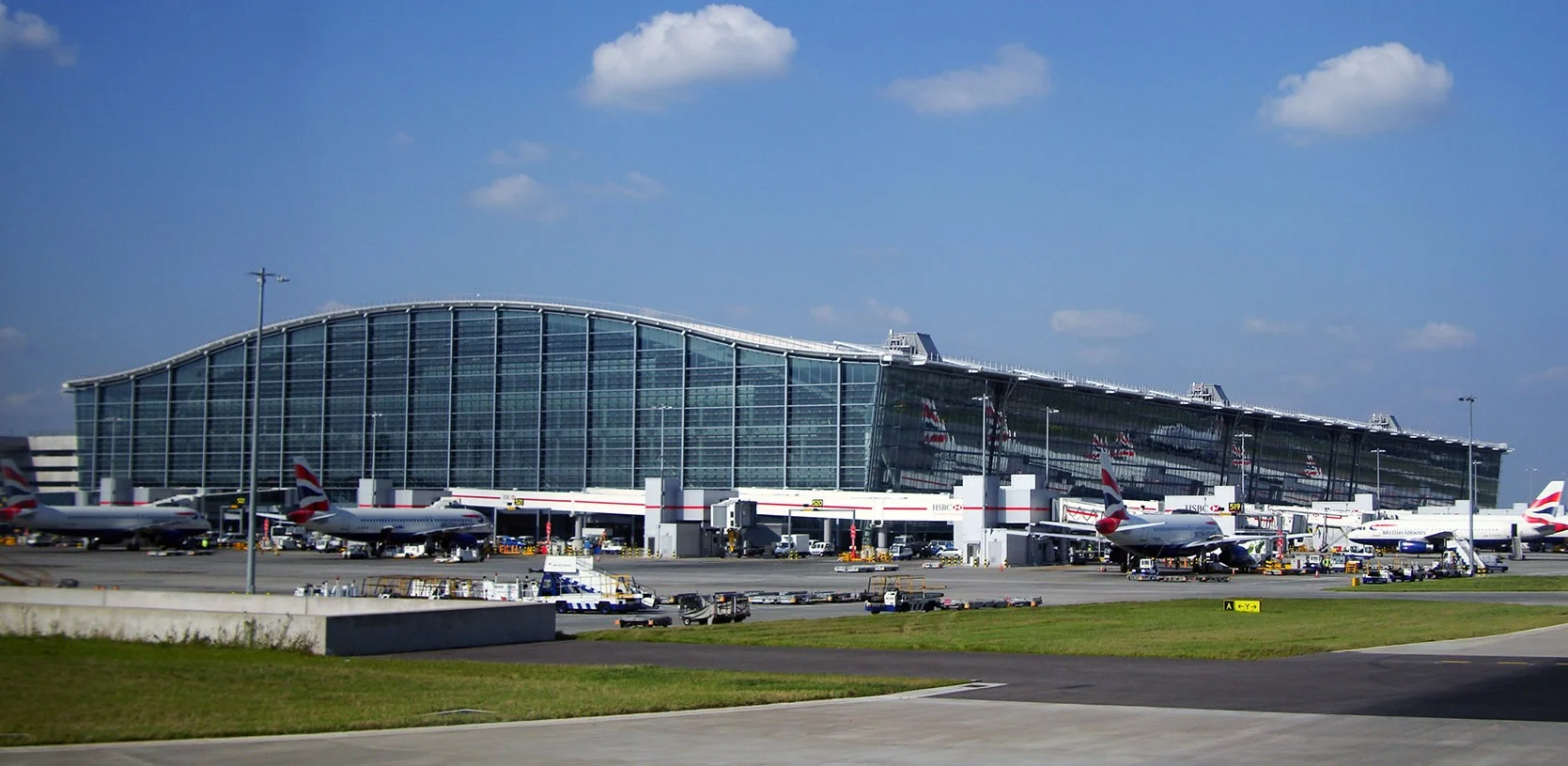
Data indicates that London’s major airports—Heathrow, Gatwick, and Stansted—tend to impose the highest drop-off fees, often exceeding £5 for a brief stop. Heathrow, Europe’s busiest airport, charges a premium reflective of its congestion and premium positioning. In contrast, airports such as Manchester, Birmingham, and Edinburgh feature more moderate fees, generally ranging from £2 to £4, aligned with their regional roles and passenger volumes.
Several factors drive these fee differences. First, airport size and passenger throughput correlate strongly with higher fees; larger hubs face greater demand and infrastructure strain, necessitating higher charges to manage traffic flow and fund maintenance. Second, geographic location influences pricing strategies—airports in metropolitan areas with limited road infrastructure impose higher fees to discourage prolonged vehicle presence and reduce congestion.
Additionally, local government policies and airport ownership structures affect fee levels. Airports owned or operated by private entities may adopt more aggressive pricing models compared to publicly owned counterparts. The presence of alternative transport options, such as efficient public transit links, also moderates fee levels; airports with strong rail or bus connections can justify higher charges as part of a broader mobility strategy.
What to Watch Next
As environmental concerns and urban congestion intensify, it is likely that UK airports will continue to refine drop-off fee policies. Future developments may include dynamic pricing models that adjust fees based on time of day or demand, integration with low-emission vehicle incentives, and enhanced coordination with local transport authorities. Monitoring these trends will be critical for understanding how airports balance accessibility with sustainability and operational efficiency in a rapidly evolving travel landscape.
Ask AI about this story
Answers are based on this article and SN Media’s related coverage. AI can make mistakes.
Frequently asked questions
Which UK airports charge the highest drop-off fees and why?
Londonu2019s major airportsu2014Heathrow, Gatwick, and Stanstedu2014tend to have the highest drop-off fees, often exceeding u00a35, due to their size, congestion levels, and premium positioning, especially Heathrow as Europeu2019s busiest airport.
How do airport size and location influence drop-off fee differences?
Larger airports with higher passenger throughput generally have higher fees to manage traffic flow and fund infrastructure, while airports in metropolitan areas with limited road infrastructure impose higher fees to reduce congestion.
What role do local government policies and airport ownership play in setting drop-off fees?
Local government policies and whether an airport is privately or publicly owned affect fee levels, with private entities often adopting more aggressive pricing, and local policies influencing how fees align with congestion and transport strategies.
Are there expected changes to drop-off fee policies at UK airports?
Future changes may include dynamic pricing based on demand or time of day, incentives for low-emission vehicles, and closer coordination with local transport authorities to balance accessibility, sustainability, and operational efficiency.
Continue the story
 LATEST
The Economic and Environmental Costs of Heathrow’s Third Runway Expansion
LATEST
The Economic and Environmental Costs of Heathrow’s Third Runway Expansion
- LATEST Balancing Aviation Growth and Climate Goals: The Heathrow Third Runway Dilemma
- LATEST The Economic Impact of Rising Diesel Prices on Scottish Businesses
- LATEST The Political Fallout of Billionaire Tax Exiles: A Labour Perspective
- LATEST Market Sentiment Darkens: Why Traders Are Increasing Pound Put Options Ahead of UK Budget