








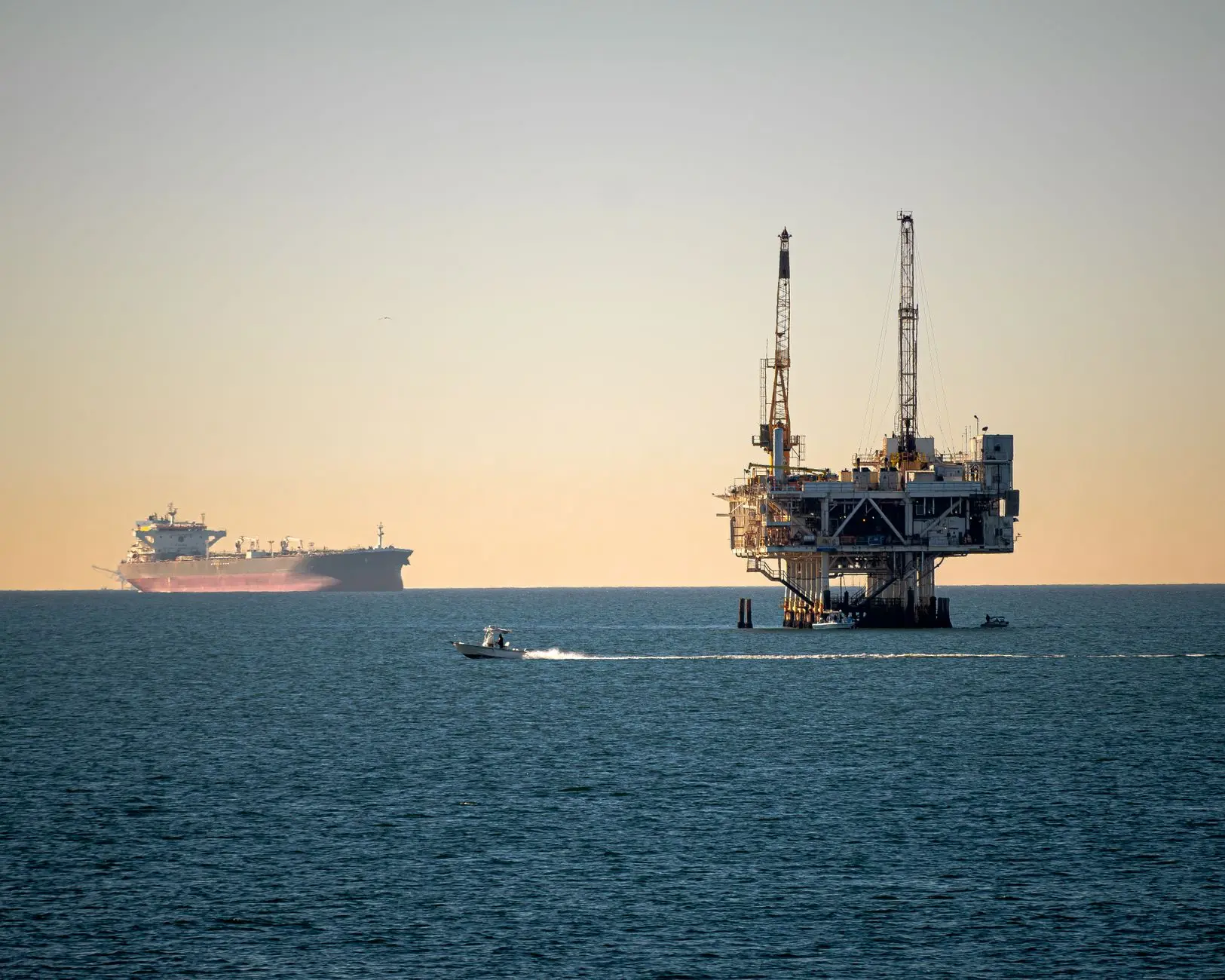
- The 1973 Arab oil embargo triggered significant demand destruction through prolonged supply constraints, reshaping global energy consumption patterns.
- Policy responses emphasizing export restrictions can replicate similar economic distortions and geopolitical tensions if not carefully calibrated.
- Energy security strategies require balancing short-term market interventions with long-term diversification and resilience.
- Historical embargoes reveal the unintended consequences of using energy supplies as geopolitical leverage.
The Historical Precedent: What Happened in 1973
In October 1973, the Organization of Arab Petroleum Exporting Countries (OAPEC) imposed an oil embargo targeting nations perceived as supporting Israel during the Yom Kippur War. The embargo rapidly constricted the global supply of crude oil, precipitating a fourfold increase in prices over the following months. This supply shock was neither brief nor marginal; it lasted until March 1974, during which oil-importing economies faced acute shortages and staggering inflation. The embargo disrupted not only the immediate availability of oil but also the broader economic equilibrium, forcing consumers and industries to adjust consumption patterns and seek alternatives.
Why It Matters: Lessons for Contemporary Energy Policy
The 1973 embargo illustrates how supply-side manipulations by producer states can induce profound economic and geopolitical ripple effects. Modern policymakers contemplating export restrictions—whether for strategic, environmental, or economic reasons—must consider the historical outcomes of similar actions. The embargo’s aftermath included a notable contraction in oil demand, reflecting both rising prices and the introduction of energy-saving technologies. However, it also exacerbated tensions between producing and consuming nations, undermining trust and cooperation. Understanding these dynamics is crucial to designing policies that mitigate risks without triggering avoidable market shocks or diplomatic fallout.
Industry Context: Energy Markets Then and Now
The 1970s oil market was characterized by a high degree of producer cartelization, limited alternative energy sources, and a heavy dependence of industrialized economies on Middle Eastern oil. In contrast, today’s energy landscape is more diversified, with the United States becoming a net exporter due to shale production, and renewables gaining market share globally. Nonetheless, structural vulnerabilities persist. The concentration of critical minerals, geopolitical instability in key regions, and the slow pace of energy transition sustain the relevance of lessons from past supply disruptions. Export restrictions in this context risk distorting markets that are already grappling with volatility and geopolitical uncertainty.
Analysis: Mechanisms and Trade-offs in Energy Export Controls
Restricting energy exports can serve immediate strategic objectives, such as preserving domestic supply or influencing global markets. Yet such controls often produce unintended consequences. The 1973 embargo demonstrated that supply constraints lead to demand destruction, but also provoke market adaptations that may disadvantage the restricting country in the long run. These adaptations include diversification of energy sources, increased efficiency, and the realignment of trade partnerships. Moreover, export restrictions can erode the credibility of a country as a reliable supplier, complicating diplomatic relations and potentially encouraging retaliatory measures. The trade-off between short-term security and long-term market stability is a central tension policymakers must navigate.
What to Watch Next: Navigating Energy Security in a Complex Era
As governments confront renewed volatility amid geopolitical conflicts and climate imperatives, the temptation to impose export controls resurfaces. Observers should monitor how these policies interact with global supply chains, investment flows in alternative energies, and international diplomatic alignments. The evolving role of multilateral institutions in mediating energy disputes will also be critical. Ultimately, the historical record cautions that energy security cannot be achieved solely through restrictive measures; it requires comprehensive strategies that enhance resilience, encourage diversification, and maintain open, stable markets. The balance struck in the coming years will shape the global energy order for decades to come.
Ask AI about this story
Answers are based on this article and SN Media’s related coverage. AI can make mistakes.
Frequently asked questions
What triggered the 1973 Arab oil embargo and what were its immediate effects?
The embargo was imposed by OAPEC in response to support for Israel during the Yom Kippur War, causing a rapid supply constriction that led to a fourfold increase in oil prices and severe shortages lasting until March 1974.
How did the 1973 embargo influence global energy consumption and policy?
It caused significant demand destruction due to high prices and spurred the adoption of energy-saving technologies, while also increasing geopolitical tensions and undermining trust between producing and consuming nations.
What are the risks of modern energy export restrictions based on lessons from 1973?
Such restrictions can cause market distortions, provoke adaptations that may harm the restricting country long-term, damage diplomatic credibility, and prompt retaliatory actions, highlighting the trade-off between short-term security and long-term stability.
How does todayu2019s energy market differ from that of the 1970s, and why do historical lessons remain relevant?
Todayu2019s market is more diversified with US shale production and renewables, but structural vulnerabilities like critical mineral concentration and geopolitical instability persist, making the lessons from past supply disruptions still applicable.
Continue the story
 BACKGROUND · How we got here
Global Energy Markets Brace for Impact as G7 Releases 100 Million Barrels of Oil and Diesel
BACKGROUND · How we got here
Global Energy Markets Brace for Impact as G7 Releases 100 Million Barrels of Oil and Diesel