








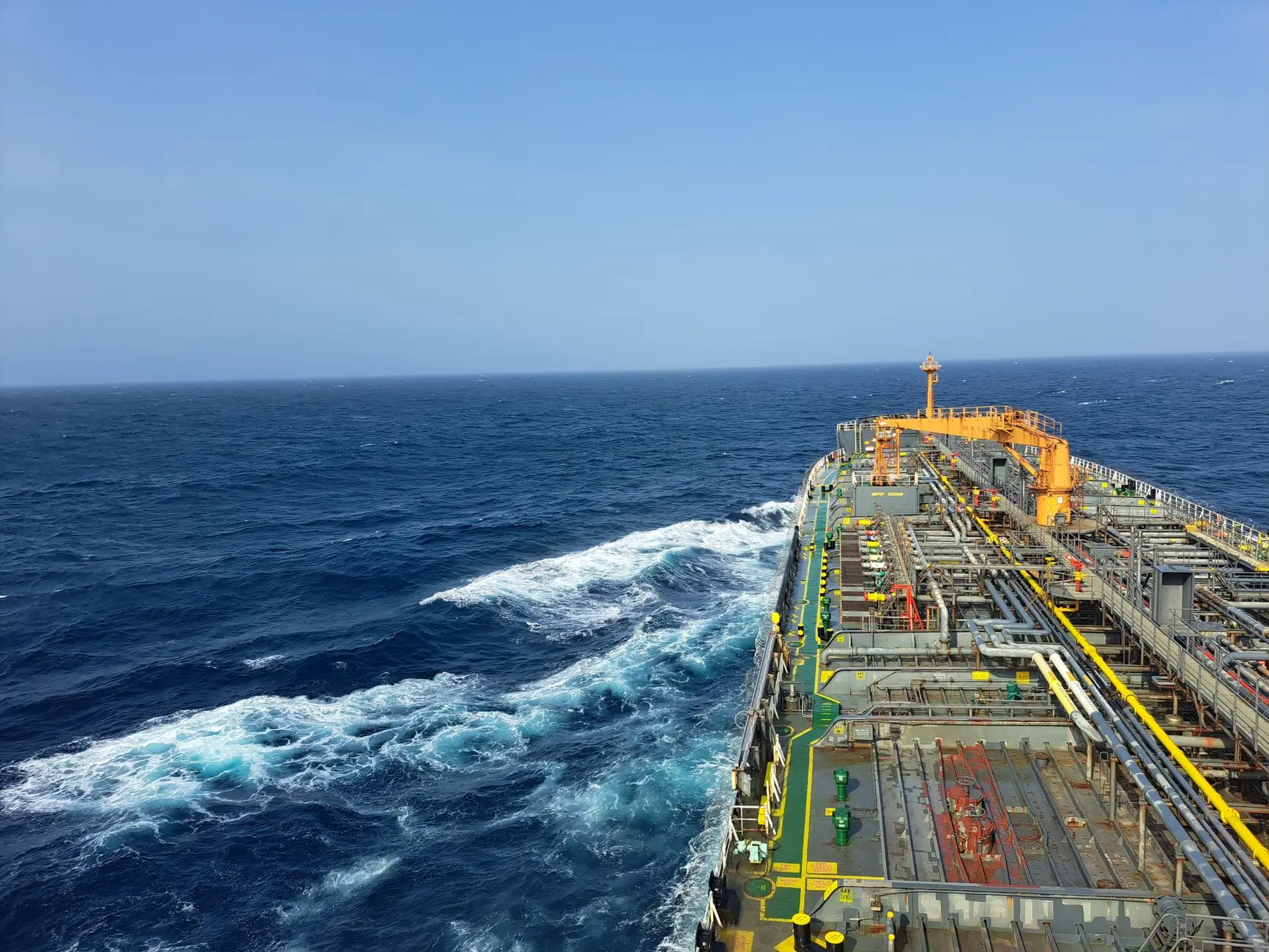
- Geopolitical tensions and supply chain disruptions are constricting global diesel availability.
- US pressure on the EU to release strategic fuel reserves marks a notable shift in transatlantic energy diplomacy.
- Rising diesel prices in the UK reflect systemic vulnerabilities in international fuel logistics.
- Market responses highlight the growing friction between energy security concerns and economic stability.
Global Fuel Supply Chains Under Strain: How Geopolitics Are Driving Diesel Prices Up
What happened
Recent weeks have seen unprecedented volatility in diesel prices across multiple international markets, with the United Kingdom experiencing particularly sharp increases. This surge follows a series of geopolitical developments, including heightened diplomatic exchanges between the United States and the European Union, where the US has urged the EU to tap into its strategic fuel reserves to alleviate supply pressures. These calls come amid persistent disruptions in global fuel supply chains, exacerbated by ongoing conflicts, sanctions policies, and logistical bottlenecks. The cumulative effect has been a tightening of diesel availability, contributing to price spikes that intersect with seasonal demand patterns and refining constraints.
Why it matters
Diesel remains a critical energy commodity underpinning transportation, agriculture, and industry. Price surges reverberate beyond consumer pump costs, influencing inflation dynamics and supply chain economics internationally. The US appeal to the EU to release strategic reserves signals a recognition that regional fuel stockpiles are not isolated buffers but integral components of a fragile global energy network. This interaction underscores the interconnectedness of energy security and geopolitical strategy, where decisions to hold or release reserves carry implications for market stability and diplomatic relations. For economies reliant on diesel-powered logistics, the current volatility threatens to exacerbate cost pressures already heightened by post-pandemic recovery and shifting regulatory landscapes.
Industry context
The diesel market operates at the intersection of refining capacity, crude oil availability, and distribution infrastructure—all vulnerable to geopolitical fluctuations. The EU’s strategic reserves, designed primarily for emergency disruption scenarios, have traditionally been guarded to maintain long-term supply assurance. However, the present environment—shaped by Russia’s ongoing conflict in Ukraine, sanctions affecting Russian fuel exports, and supply chain challenges from Asia to Europe—has stressed the conventional frameworks of energy management. Refiners are grappling with maintenance delays and feedstock shortages, while transportation networks face congestion and labor shortages. These pressures coincide with a global push toward cleaner energy, which has led to underinvestment in fossil fuel infrastructure, tightening diesel supply further.
Analysis
The US call for the EU to release fuel stocks reflects strategic urgency but also exposes underlying tensions in international energy governance. Strategic petroleum reserves (SPRs) are traditionally national instruments, but the current crisis reveals their role as quasi-international stabilizers. The reluctance or willingness of EU member states to comply with US recommendations illustrates competing priorities: safeguarding domestic security versus contributing to global supply stability. Meanwhile, the diesel market’s sensitivity to such releases is heightened by limited spare refining capacity, especially in Europe, where regulatory and environmental pressures constrain operational flexibility. The price increases in the UK highlight the ripple effects of these supply constraints, amplified by currency fluctuations and regional distribution challenges. This scenario illustrates the trade-offs between immediate market relief and long-term strategic reserve management, with implications for future policy coordination on energy security.
What to watch next
The trajectory of diesel prices will depend heavily on several factors: the EU’s response to US pressure on fuel reserve releases, developments in the Ukraine conflict affecting Russian fuel exports, and the operational status of key refineries in Europe and North America. Monitoring policy signals from the International Energy Agency (IEA) and OPEC will be crucial, as coordinated releases or production adjustments could mitigate short-term supply shocks. Additionally, the evolving regulatory environment on emissions and fuel standards will shape refining economics, potentially constraining supply further. The interplay between geopolitical maneuvering and market forces will continue to test the resilience of global fuel supply chains, with implications for inflation trends and economic growth across industrialized economies.
Ask AI about this story
Answers are based on this article and SN Media’s related coverage. AI can make mistakes.
Frequently asked questions
Why has the US urged the EU to release strategic fuel reserves?
The US has called on the EU to release strategic fuel reserves to alleviate supply pressures caused by geopolitical tensions, supply chain disruptions, and ongoing conflicts, which have tightened diesel availability globally.
What factors are contributing to the rise in diesel prices in the UK?
Diesel prices in the UK have risen sharply due to constrained global diesel availability driven by geopolitical tensions, limited refining capacity, logistical bottlenecks, currency fluctuations, and seasonal demand patterns.
How do strategic petroleum reserves function in the current crisis?
Strategic petroleum reserves, traditionally national emergency buffers, are now seen as quasi-international stabilizers; their release involves balancing domestic energy security with global supply stability amid limited refining capacity and geopolitical pressures.
What developments will influence future diesel price trends?
Future diesel prices will depend on the EU's response to US pressure regarding fuel reserve releases, the situation in Ukraine affecting Russian exports, refinery operations in Europe and North America, and policy actions by the IEA and OPEC, alongside evolving emissions regulations.
Continue the story
 LATEST
Europe’s Strategic Fuel Reserves: Can Releasing Stocks Ease Diesel Price Inflation?
LATEST
Europe’s Strategic Fuel Reserves: Can Releasing Stocks Ease Diesel Price Inflation?