








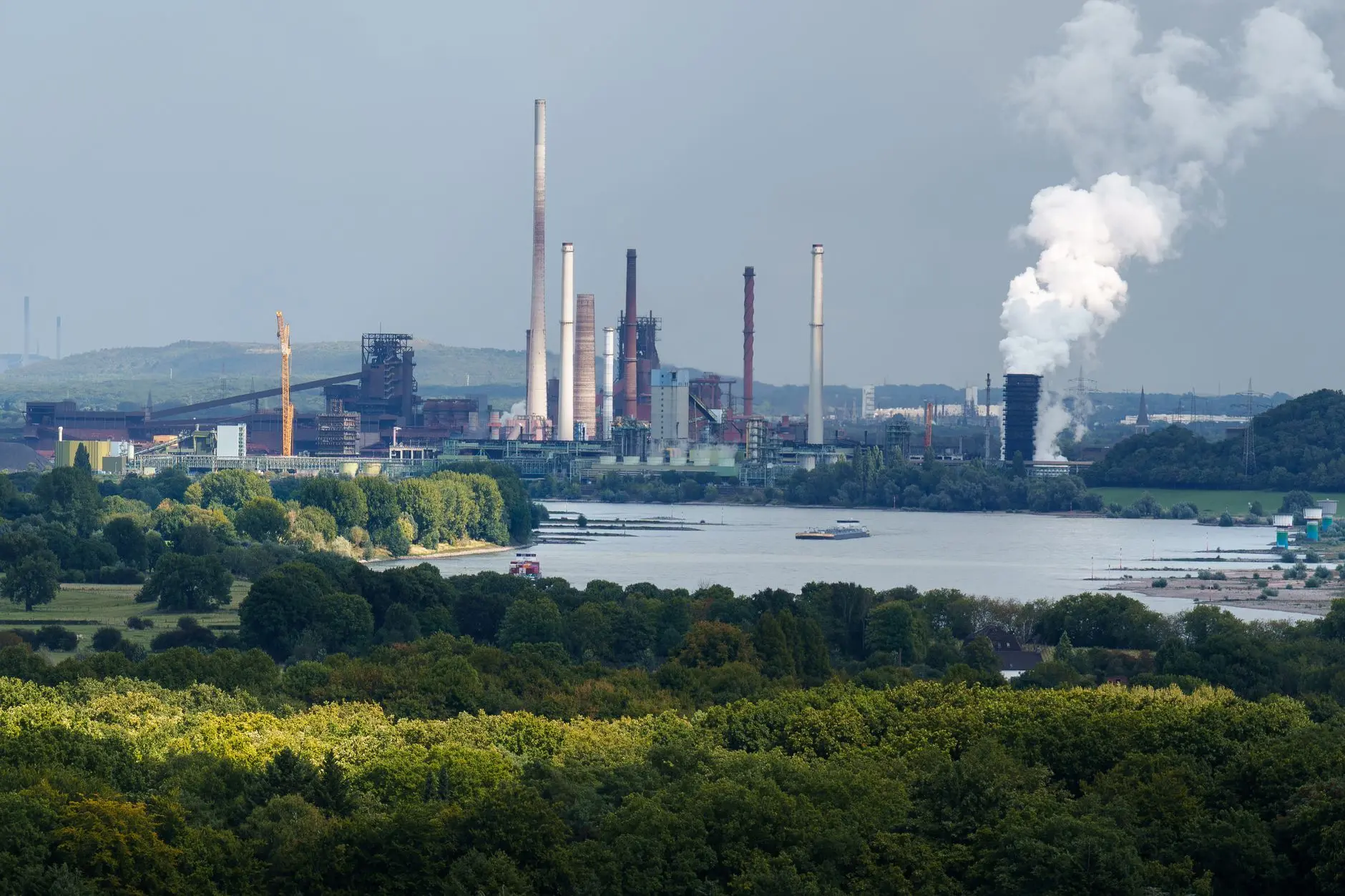
- Record low water levels on the Rhine are stranding vessels, constraining cargo movement.
- Disruptions at critical hubs like Düsseldorf harbor ripple through European automotive and manufacturing supply chains.
- Climate-driven extreme weather events exacerbate vulnerabilities in inland waterway transport infrastructure.
- Adaptation strategies require coordination between industry, policymakers, and river management authorities.
What happened
In late September 2026, a cargo vessel loaded with vehicles became immobilized on the Rhine River near Düsseldorf due to historically low water levels. The vessel’s grounding impeded navigation on one of Europe’s busiest inland waterways for several days, causing a backlog of shipments. The incident illustrated the growing operational challenges faced by shippers relying on the Rhine as a critical artery for transporting goods across central and western Europe. With the river’s water levels falling below navigable thresholds, freight companies were forced to reroute or delay deliveries, creating cascading effects across multiple sectors.
Why it matters
The Rhine serves as a linchpin in European logistics, connecting industrial hubs in Germany, the Netherlands, France, and beyond. Its navigability directly affects the efficiency and cost of moving raw materials, intermediate goods, and finished products. Disruptions not only delay deliveries but also increase reliance on alternative transport modes like road and rail, which carry higher environmental footprints and operational costs. The incident at Düsseldorf underscores how climate-induced changes in river hydrology are beginning to impose tangible constraints on supply chains that are finely tuned to predictable waterway conditions. As extreme weather patterns intensify, these vulnerabilities risk becoming chronic, forcing a reappraisal of infrastructure resilience and supply chain design.
Industry context
Inland waterways account for roughly 40% of freight transport volume in Europe, with the Rhine alone responsible for about 200 million tons annually. The river’s role is particularly vital for heavy industries such as automotive manufacturing, chemicals, and bulk commodities. Historically, waterborne transport has offered cost advantages and reduced emissions compared to road haulage. However, the Rhine’s water levels have exhibited increasing volatility over the past decade, driven by a combination of prolonged droughts, unseasonal heatwaves, and altered rainfall patterns linked to climate change. While river authorities have implemented measures like dredging and flow regulation, these interventions have limits when faced with persistent hydrological stress. The interruption at Düsseldorf reflects systemic exposure to environmental shifts that transcend isolated weather events.
Analysis
The grounding of the vehicle-laden vessel results from a confluence of climatic, infrastructural, and operational factors. The Rhine’s decreasing water depth constrains draft limits, reducing ship payload capacity and increasing voyage frequency or forcing partial offloading. Port facilities, such as Düsseldorf harbor, face congestion when vessels are delayed or immobilized, compounding logistical bottlenecks. Moreover, the regional supply chain’s “just-in-time” inventory models amplify sensitivity to such disruptions, as buffer stocks remain minimal. Climate models project a continuing trend toward more frequent and severe low-water episodes, challenging the assumption of stable inland waterway conditions underpinning European freight planning. This predicament calls for a multipronged response: accelerating investment in adaptive river management, enhancing multimodal transport integration, and revisiting supply chain risk assessments with climate variability factored in.
What to watch next
Future developments will hinge on how stakeholders balance immediate operational needs with long-term resilience. River authorities are likely to increase monitoring and deploy adaptive water management technologies, but these may prove insufficient without broader climate mitigation efforts. European transport policy discussions are expected to address the role of inland waterways in a decarbonizing economy, potentially incentivizing infrastructure upgrades and modal shifts. Industry leaders may revisit supply chain configurations, incorporating more robust contingency planning and diversified routing. Observers should track the Rhine’s hydrological trends alongside infrastructural responses and regulatory frameworks to gauge whether systemic vulnerabilities can be mitigated or if more fundamental shifts in European freight logistics are imminent.
Ask AI about this story
Answers are based on this article and SN Media’s related coverage. AI can make mistakes.
Frequently asked questions
What caused the cargo vessel to become immobilized on the Rhine near Du00fcsseldorf?
The vessel was stranded due to historically low water levels on the Rhine River, which fell below navigable thresholds, preventing its passage and causing navigation delays.
How does the disruption at Du00fcsseldorf harbor affect European supply chains?
The incident caused backlogs and delays in shipments, impacting automotive and manufacturing sectors by forcing rerouting or postponements, which created cascading effects across multiple industries reliant on the Rhine for freight transport.
What are the main factors contributing to the Rhineu2019s decreasing water levels?
Increasing volatility in water levels is driven by prolonged droughts, unseasonal heatwaves, and altered rainfall patterns linked to climate change, which together create persistent hydrological stress beyond isolated weather events.
What strategies are suggested to address the supply chain vulnerabilities caused by low Rhine water levels?
A multipronged response is recommended, including investment in adaptive river management, enhanced multimodal transport integration, revisiting supply chain risk assessments with climate variability in mind, and potential infrastructure upgrades incentivized by European transport policies.
Continue the story
 LATEST
Global Fuel Supply Chains Under Strain: How Geopolitics Are Driving Diesel Prices Up
LATEST
Global Fuel Supply Chains Under Strain: How Geopolitics Are Driving Diesel Prices Up
- LATEST Europe’s Strategic Fuel Reserves: Can Releasing Stocks Ease Diesel Price Inflation?
- BACKGROUND · How we got here Economic Impact of the Nor’easter on East Coast Businesses and Infrastructure
- BACKGROUND · How we got here Urban Infrastructure Challenges Exposed by Flash Flooding in Tri-State Area