





What happened
In recent years, the shaping of international news agendas has increasingly become a contest among multiple global centers of media influence. Traditional Western news outlets no longer hold a monopoly on framing world events. Instead, a diverse range of state-backed and independent media organizations from Asia, the Middle East, Russia, and other regions are actively presenting alternative narratives. This shift is not merely about who reports the news but about competing interpretations that influence global public opinion and diplomatic discourse.

Why it matters
The framing of news significantly affects how international audiences understand events, which in turn influences policy decisions, public sentiment, and international relations. Competing media narratives can either exacerbate geopolitical tensions or foster deeper understanding. In an era marked by disinformation risks and polarized public spheres, understanding who controls the news agenda—and how—is critical for both policymakers and media consumers worldwide.
Industry context
The news media industry has traditionally been dominated by Western institutions, particularly those based in the United States and Europe. However, the rise of powerful broadcasters such as China’s CGTN, Russia’s RT, and Qatar’s Al Jazeera has diversified the sources of international news. These organizations often operate with explicit state support and pursue strategic communication goals aligned with national interests. Simultaneously, the proliferation of digital platforms has enabled a broader range of voices to reach global audiences, complicating the media landscape further.
Analysis
The global contest over news agendas reflects a broader geopolitical struggle in which information itself is a strategic asset. State-backed outlets frequently employ agenda-setting techniques that emphasize certain themes—such as sovereignty, security, or human rights—in ways that serve their governments’ foreign policy objectives. This deliberate framing challenges the previously dominant Western paradigms and introduces competing value systems into global discourse.
Moreover, the growth of digital and social media platforms has decentralized news dissemination but also created fertile ground for echo chambers and misinformation. While this democratization enhances pluralism, it also complicates efforts to establish a shared factual basis for international dialogue. The contest is thus not only between established broadcasters but also among diverse, sometimes fragmented, information sources vying for credibility and influence.
What to watch next
Observers should monitor how emerging media powers refine their narrative strategies and expand their reach, particularly in regions where information ecosystems remain fluid. The interaction between state-backed media and independent journalism will also be critical to watch, especially in contexts where press freedom is under pressure. Additionally, the evolving role of technology platforms in curating and amplifying news content will shape future agenda-setting dynamics, with significant implications for global information flows and international relations.
Ask AI about this story
Answers are based on this article and SN Media’s related coverage. AI can make mistakes.
Frequently asked questions
Which media organizations are identified as new influential players in shaping the global news agenda?
The article highlights Chinau2019s CGTN, Russiau2019s RT, and Qataru2019s Al Jazeera as powerful broadcasters that have diversified international news sources, often operating with explicit state support and strategic communication goals.
How does the shift in global news agenda-setting affect international relations?
Competing media narratives influence global public opinion and diplomatic discourse, potentially exacerbating geopolitical tensions or fostering deeper understanding, making control over news framing a critical factor for policymakers and media consumers.
What challenges arise from the rise of digital and social media platforms in global news dissemination?
While digital platforms democratize news dissemination and enhance pluralism, they also create echo chambers and misinformation, complicating efforts to establish a shared factual basis for international dialogue and increasing fragmentation among information sources.
What future developments in the contest over news agendas should observers watch for?
Observers should monitor how emerging media powers refine their narrative strategies and expand reach, the interaction between state-backed and independent journalism especially where press freedom is pressured, and the role of technology platforms in curating and amplifying news content.
Continue the story
 LIVE · Follow the latest developments
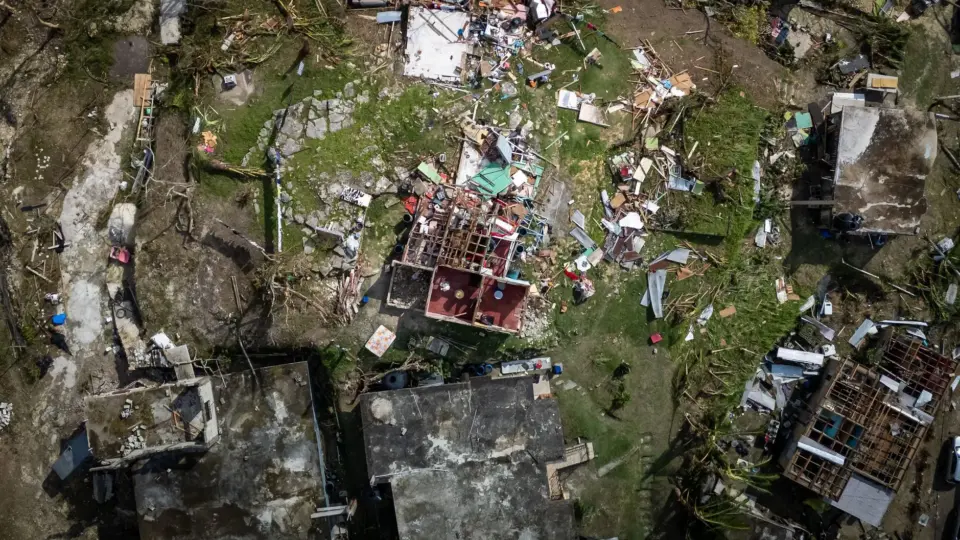
Hurricane Simon live: Strengthens to Category 4, nears Mexico’s Pacific coast
LIVE · Follow the latest developments
Hurricane Simon live: Strengthens to Category 4, nears Mexico’s Pacific coast