







What happened
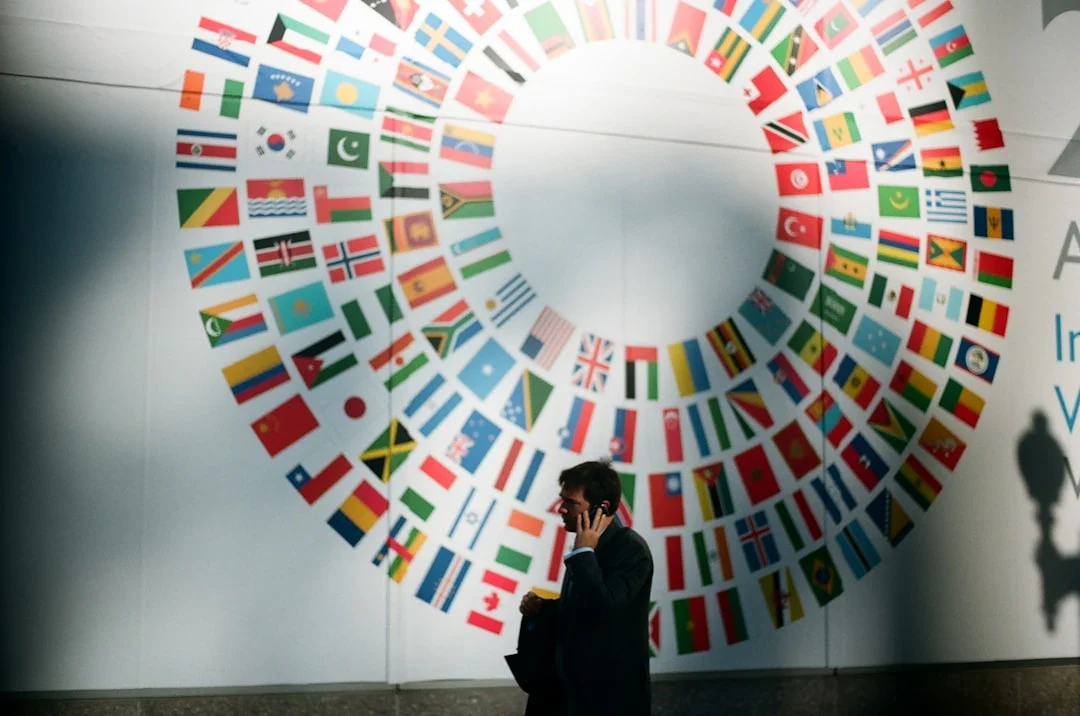
Over recent decades, states across the globe have increasingly leveraged international broadcasters, digital platforms, and cultural exports as crucial tools in their soft power arsenals. These instruments extend beyond traditional diplomacy and military might, enabling governments to shape global narratives, influence foreign publics, and promote national values on the international stage. From established outlets like the BBC World Service and Voice of America to emerging state-backed digital platforms and cultural initiatives, media has become a central vector for projecting influence.
Why it matters
The use of media as an instrument of statecraft has significant implications for international relations and global information flows. In an era marked by geopolitical rivalry, information competition, and the contest for public opinion, the ability to effectively communicate and sway perceptions abroad can contribute to a nation’s strategic objectives without resorting to coercion or conflict. Moreover, as media landscapes fragment and audiences diversify, the role of international broadcasters and digital platforms in shaping cross-border understanding and misperception grows increasingly complex and consequential.
Industry context
The media industry has evolved dramatically with advances in technology and shifting audience behaviors. While traditional international broadcasters once dominated the dissemination of state narratives, the rise of social media, streaming services, and on-demand content has diversified the channels through which soft power is exercised. Governments now not only fund public broadcasters but also engage in content partnerships, sponsor cultural festivals, and cultivate digital influencers to extend their reach. At the same time, concerns about propaganda, disinformation, and media freedom have intensified scrutiny over state-backed media operations worldwide.
Analysis
Projecting soft power through media requires a nuanced balance between credibility, cultural resonance, and strategic messaging. Successful international broadcasters maintain editorial independence and journalistic standards to build trust, while simultaneously aligning content with national interests. The challenge lies in navigating the fine line between authentic cultural diplomacy and overt state propaganda, which can undermine legitimacy and alienate target audiences. Additionally, the fragmentation of media ecosystems means that states must adopt multi-platform strategies tailored to different regions and demographics.
Furthermore, digital platforms have introduced new dynamics, enabling rapid dissemination but also increasing vulnerability to censorship allegations and information manipulation. The interplay between state-sponsored media and independent news sources shapes the global information environment, influencing perceptions of geopolitical events, economic cooperation, and cultural affinity. Ultimately, media-based soft power projection is not a standalone strategy but part of a broader framework encompassing economic ties, diplomatic engagement, and military capabilities.
What to watch next
Future developments in media technologies, regulatory environments, and geopolitical alignments will continue to shape how nations wield soft power through media. Key areas to monitor include the expansion of state-backed streaming platforms targeting younger audiences, the role of artificial intelligence in content personalization and moderation, and evolving international norms around media sovereignty and freedom of expression. Additionally, the response of democratic societies to competing narratives from authoritarian regimes will influence the effectiveness of media as a tool of influence. Observers should also watch how emerging markets and regional powers adapt their media strategies to assert their presence on the global stage.
Ask AI about this story
Answers are based on this article and SN Media’s related coverage. AI can make mistakes.
Frequently asked questions
How have states expanded their use of media for soft power in recent decades?
States have increasingly used international broadcasters, digital platforms, and cultural exports to shape global narratives, influence foreign publics, and promote national values beyond traditional diplomacy and military means.
What challenges do governments face when projecting soft power through media?
Governments must balance credibility, cultural resonance, and strategic messaging while maintaining editorial independence to avoid perceptions of propaganda that could undermine legitimacy and alienate audiences.
How has the evolution of media technology affected soft power strategies?
The rise of social media, streaming services, and on-demand content has diversified channels for soft power, requiring multi-platform strategies tailored to different regions and demographics, but also raising concerns about censorship and information manipulation.
What future trends should be monitored regarding media and soft power projection?
Key areas include the growth of state-backed streaming platforms targeting younger audiences, the use of artificial intelligence in content moderation, evolving norms on media sovereignty and freedom of expression, and how democratic societies respond to competing narratives from authoritarian regimes.
Continue the story
 LATEST
The Legal and Ethical Implications of Livestreaming Military Executions
LATEST
The Legal and Ethical Implications of Livestreaming Military Executions
- LATEST Australia’s Strategic Use of the UN to Highlight OpenAI Hack: A Geopolitical Analysis
- LATEST The Growing Influence of Russian-Aligned Lobbyists in Washington
- LATEST The Historical Lessons of the 1973 Arab Oil Embargo for Today’s Energy Policies
- LATEST How Nobel Prize-Winning Decision Science is Shaping Modern Investment Strategies