








In Dallas, Trump told Republicans to campaign as if he were on the ballot, making the midterms a direct test of his second-term power.
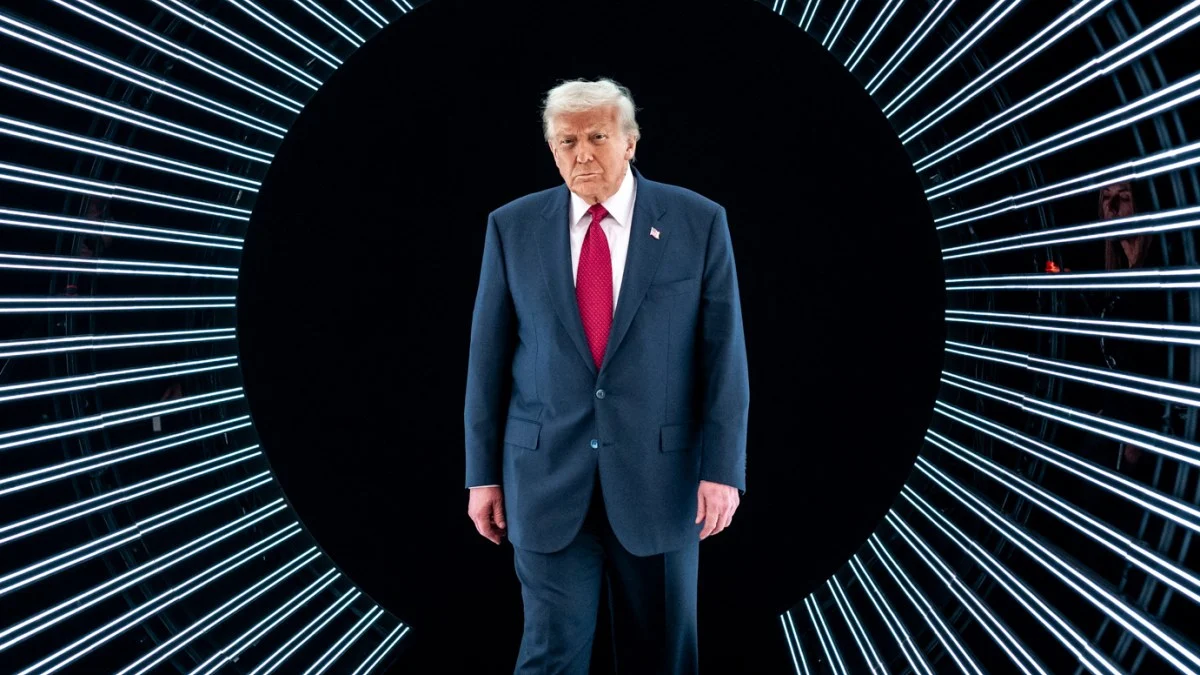
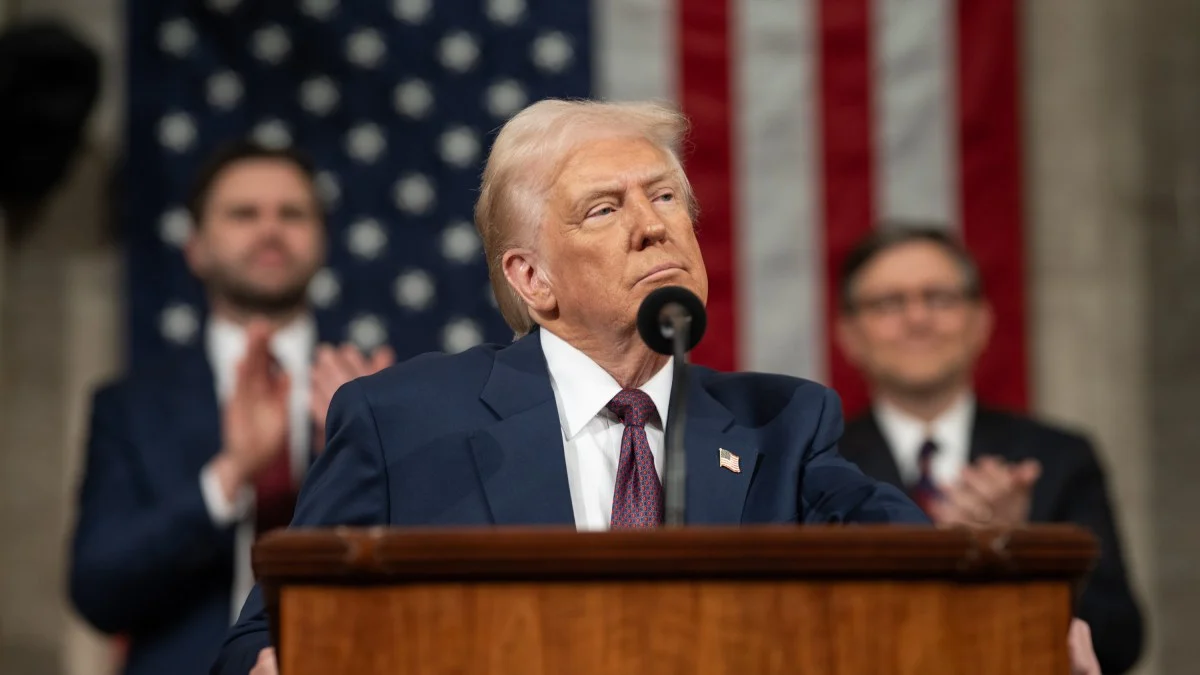
Donald Trump used the Republican midterm convention in Dallas to make the party's congressional campaign unmistakably personal. Rather than treating November as a collection of local races, he told supporters to approach the election as a referendum on his presidency, his war powers, his economic message and his hold over the Republican Party.
The strategy is risky but familiar. Trump remains the GOP's strongest attention engine, the figure most capable of raising money and turning a routine campaign stop into a national event. He also carries the liabilities of an incumbent president facing public frustration over energy prices, the war with Iran and a political environment that historically punishes the party in power during midterms.
Why it matters
His Dallas remarks made that tradeoff explicit. Trump defended the Iran war, attacked Democrats as extreme, promised to campaign across competitive states and urged voters to treat Republican candidates as guardians of his agenda. The line between party platform and personal brand all but disappeared.
The most memorable promise was economic: a proposed $5,000 payment to American adults if Republicans keep control of Congress. The idea gave the convention a headline, but it also raised immediate questions about cost, legality and inflation. Analysts cited by major outlets estimate that such a plan could exceed $1 trillion.
For Republican candidates, the speech creates a choice. In safe conservative territory, Trump's centrality is useful. In suburbs and swing districts, it may be harder to run on local concerns while the national party is asking voters to "pretend" Trump is on the ballot.
What to watch
For Democrats, the convention offered a clear target. Their countermessage is that Trump is trying to distract from governing problems with spectacle, cash promises and culture-war framing. Whether that argument works will depend on whether voters see the Dallas speech as strength or overreach.
The takeaway is simple: Trump does not want to be a surrogate in 2026. He wants to be the story. That may energize the Republican base, but it also ensures that every competitive race now carries the weight of his presidency.
Source
Ask AI about this story
Answers are based on this article and SN Media’s related coverage. AI can make mistakes.
Continue the story
 LATEST
The Evolution of Political Retreats: From Camp David to Trump’s Florida Golf Club
LATEST
The Evolution of Political Retreats: From Camp David to Trump’s Florida Golf Club
- LATEST The Paradox of Prosperity: Why Economic Growth Isn’t Boosting Trump’s Popularity
- LATEST What Flávio Bolsonaro’s Rise Means for Latin America’s Economic Outlook
- LATEST The Geopolitical Stakes of Trump’s Venezuela Oil Deal Amid Production Challenges
- LATEST Geopolitical Implications of US Troop Surge in the Middle East