








September 9, 2026
Tung Chee-hwa dies at 89: Hong Kong’s first chief executive passes away
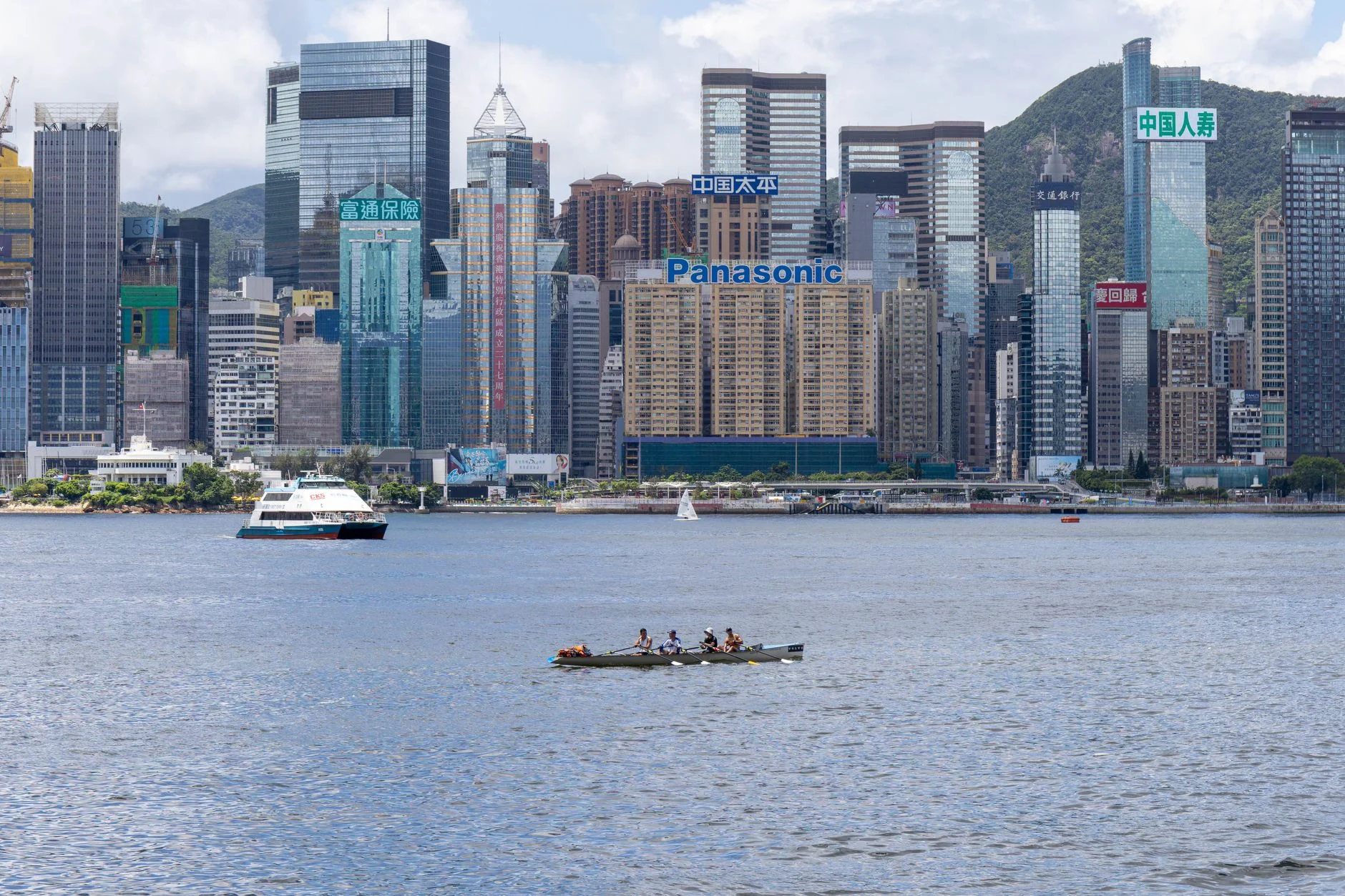
What we know
- Tung Chee-hwa, the first chief executive of Hong Kong after the 1997 handover to China, has died at age 89.
- He led Hong Kong through its early years under Chinese sovereignty, a period marked by significant political and social challenges.
- His leadership tenure received mixed reactions regarding his style and policies.
- His death has been confirmed by multiple reputable sources including the Financial Times and The New York Times.
Live updates
Publication times are shown in US Eastern Time and UTC. Event times are stated in the update text when confirmed.
Tung Chee-hwa, Hong Kong’s First Chief Executive, Dies at 89
Tung Chee-hwa, the first chief executive of Hong Kong following its 1997 handover to China, has died at the age of 89. He served as the city’s leader during a critical transitional period and continued efforts to foster dialogue between the US and China in his later years, according to multiple sources including the Financial Times and The New York Times.
Tung’s tenure marked the beginning of Hong Kong’s post-colonial governance, and his passing has been widely reported by international news agencies such as AP News and Bloomberg.
Tung Chee-hwa, Hong Kong’s First Chief Executive, Dies at 89
Tung Chee-hwa, the first chief executive of Hong Kong following its 1997 handover to China, has died at the age of 89. Tung led the city through its initial years under Chinese sovereignty, a period marked by significant political and social challenges.
His tenure was noted for its complex legacy, with mixed reactions to his leadership style and policies. Multiple sources, including the Financial Times and The New York Times, have confirmed his passing in 2026.
Why it matters
Tung Chee-hwa was the first chief executive of Hong Kong after the 1997 handover to China, marking the start of the cityu2019s post-colonial governance.
His leadership during a critical transitional period involved navigating complex political and social challenges, resulting in a mixed legacy.
In his later years, Tung contributed to fostering dialogue between the US and China, highlighting his ongoing role in international affairs.