








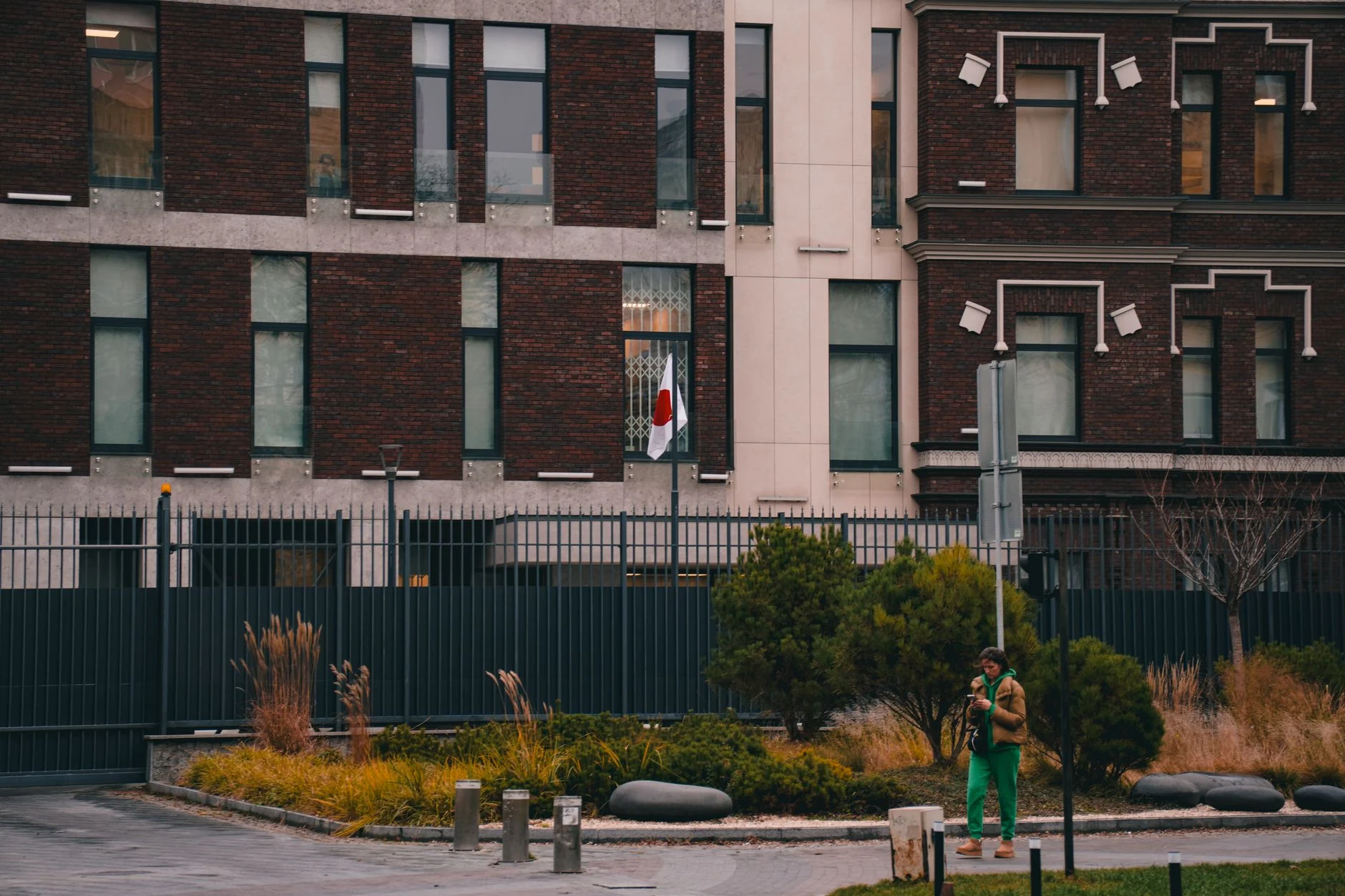
- The US ambassador to Iceland was recalled after a widely circulated map mistakenly placed the American flag over Iceland’s territory.
- Iceland’s government viewed the imagery as a breach of diplomatic protocol and an affront to national sovereignty.
- The incident underscores the sensitivity of symbolic representations in international relations and the risks of digital media missteps.
- The episode reveals broader challenges in US-Iceland relations and signals the need for careful cultural and geopolitical awareness in diplomatic communications.
What happened
In early 2024, a diplomatic stir emerged between the United States and Iceland following the circulation of a digital map that superimposed the American flag over several countries, including Iceland. The map, intended as a graphic representation of US influence or presence, was widely criticized for its inaccurate depiction. Iceland’s government responded sharply, interpreting the imagery as a violation of its territorial sovereignty and diplomatic norms. The dispute escalated to the point where the US ambassador to Iceland was recalled for consultations—a rare and serious diplomatic measure that signals official discontent.
Why it matters
The recall of an ambassador is a significant diplomatic gesture, often reserved for severe disagreements or crises. Iceland’s reaction highlights the potent symbolism embedded in cartographic representations and the extent to which such images can affect state relations. This incident is more than a matter of artistic license; it raises questions about respect for sovereignty, the limits of soft power projection, and the responsibilities of states in their public communications. For the United States, a country that emphasizes alliance-building and partnership in the North Atlantic, this episode risks undermining trust and goodwill with a key NATO ally.
Industry context
This diplomatic misstep occurs against a backdrop of heightened sensitivity to territorial integrity worldwide, where maps and symbols often become flashpoints in geopolitical disputes. In international diplomacy, accuracy and respect in visual representations are increasingly scrutinized, especially in the digital age where images can spread rapidly and influence public opinion. Furthermore, the US has faced similar criticisms in other regions regarding perceived overreach or insensitivity in its messaging. For Iceland, a nation balancing its strategic alliances with a strong sense of national identity, the incident resonates deeply within broader conversations about small states’ agency in global affairs.
Analysis
The controversy illustrates the intersection of symbolism, perception, and diplomacy. While the map may have been intended to signal American influence or solidarity, the execution failed to account for Iceland’s perspective on sovereignty and national dignity. This oversight reveals a larger challenge for US diplomatic communications: the need to calibrate messaging to diverse cultural contexts and historical sensitivities. The recall of the ambassador, though temporary, serves as a corrective mechanism and a signal of Iceland’s unwillingness to tolerate perceived symbolic encroachments. The episode also underscores the fragility of soft power assets, which can be undermined by seemingly minor but symbolically charged errors.
What to watch next
The US-Iceland diplomatic relationship will be a focal point in the coming months, particularly regarding how both governments manage the fallout and rebuild trust. Observers should monitor official communications and any follow-up visits or statements that clarify the US stance and Iceland’s expectations. Additionally, the incident may prompt broader discussions within NATO about the importance of cultural and symbolic awareness among member states. Finally, the evolving role of digital media in diplomacy—where visual content is instantly global and immutable—will likely receive increased scrutiny to prevent similar incidents in other bilateral or multilateral contexts.
Ask AI about this story
Answers are based on this article and SN Media’s related coverage. AI can make mistakes.
Frequently asked questions
Why was the US ambassador to Iceland recalled?
The ambassador was recalled after a digital map circulated that mistakenly placed the American flag over Icelandu2019s territory, which Iceland viewed as a breach of diplomatic protocol and an affront to its sovereignty.
How did Iceland interpret the map showing the American flag over its territory?
Icelandu2019s government saw the imagery as a violation of its territorial sovereignty and diplomatic norms, leading to a sharp response and the recall of the US ambassador.
What broader issues does this incident highlight in US-Iceland relations?
The incident underscores challenges related to respect for sovereignty, the symbolism in diplomatic communications, and the need for cultural and geopolitical awareness to maintain trust between the US and Iceland.
What are the expected next steps following this diplomatic fallout?
The US-Iceland relationship will be closely watched for efforts to manage the fallout and rebuild trust, including official communications and potential follow-up visits, while also prompting broader NATO discussions on cultural and symbolic sensitivity in diplomacy.
Continue the story
 LATEST
US-Denmark Security Deal Redefines Arctic Military Strategy Amid Rising Geopolitical Tensions
LATEST
US-Denmark Security Deal Redefines Arctic Military Strategy Amid Rising Geopolitical Tensions
- LATEST Strategic Implications of US ‘Permanent Control’ Over Greenland Security
- LATEST Geopolitical Implications of US Troop Surge in the Middle East
- LATEST The Evolution of Political Retreats: From Camp David to Trump’s Florida Golf Club
- LATEST The Economic Impact of Trump’s Promise to Remove Irish Whiskey Tariffs