








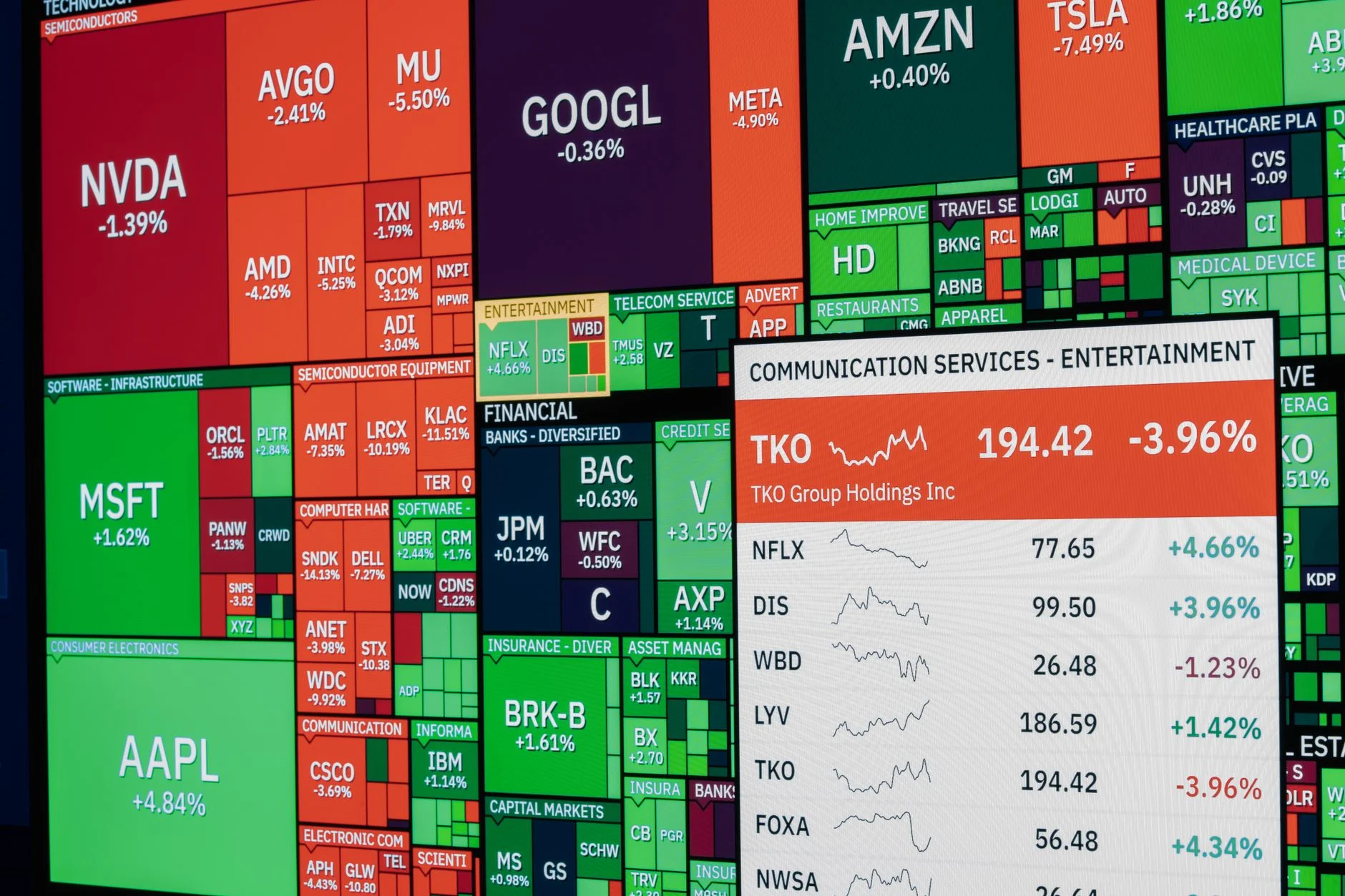
- Rising bond yields reflect tightening monetary conditions amid persistent inflation pressures.
- Higher yields increase borrowing costs, challenging equity valuations particularly in growth sectors.
- Central banks face trade-offs between controlling inflation and supporting market liquidity.
- The bond selloff may signal recalibration rather than a systemic market correction.
What happened
In recent weeks, global bond markets have experienced a pronounced selloff, pushing yields sharply higher across key maturities. This movement has been most visible in U.S. Treasuries, where the 10-year yield surged above 4%, levels not seen in over a decade. Similar trends emerged in European and Asian government bonds, reflecting a broad-based repricing of fixed income assets. The selloff has coincided with increased volatility in global equity markets, raising questions about the sustainability of the extended stock rally witnessed since early 2023.
Why it matters
Bond yields serve as fundamental benchmarks for borrowing costs and risk assessments across financial markets. Rising yields translate into higher discount rates used to value equities, particularly growth stocks with earnings projected far into the future. This dynamic can compress equity valuations even in the absence of deteriorating corporate fundamentals. Moreover, higher yields increase the cost of corporate and government borrowing, potentially slowing economic expansion. Investors and policymakers are therefore closely monitoring whether the bond market adjustment heralds broader financial tightening or a transient correction within an otherwise stable growth environment.
Industry context
The bond selloff occurs against a backdrop of persistent inflationary pressures despite aggressive monetary tightening by central banks worldwide. The Federal Reserve and the European Central Bank have raised policy rates multiple times in the past year, aiming to anchor inflation expectations and prevent wage-price spirals. However, inflation remains above targeted levels in many advanced economies, complicating the policy stance. At the same time, lingering supply chain disruptions and geopolitical tensions continue to exert upward price pressures. Fixed income investors are recalibrating the risk-return profile of bonds, balancing concerns over inflation, growth prospects, and central bank resolve.
Analysis
The surge in yields reflects a confluence of factors. Inflation data have surprised on the upside, undermining confidence that central banks can quickly return to their targets. Expectations for future rate hikes remain elevated, supported by central bankers’ hawkish rhetoric. Simultaneously, real yields—adjusted for inflation—have risen, suggesting that investors demand higher compensation for holding long-duration debt amid uncertainty. This environment challenges equity markets, particularly sectors reliant on low financing costs and stretched valuations, such as technology and consumer discretionary. However, the selloff also signals a necessary market adjustment rather than a breakdown. The repricing could restore more sustainable yield levels and provide clearer signals to policymakers and investors about the trajectory of global growth and inflation.
What to watch next
Key indicators to monitor include inflation trends in major economies, central bank communications, and credit market conditions. A sustained decline in inflation rates or dovish shifts in monetary policy could stabilize bond yields and support equity markets. Conversely, persistent inflation or aggressive tightening could prolong volatility and pressure risk assets. Additionally, developments in geopolitical arenas and supply chain normalization will influence market sentiment. Investors should also watch for signs of stress in corporate debt markets, which could signal spillover risks. Ultimately, the interplay between inflation dynamics, monetary policy, and market expectations will shape the evolving landscape for both bonds and equities.
Ask AI about this story
Answers are based on this article and SN Media’s related coverage. AI can make mistakes.
Frequently asked questions
What caused the recent surge in global bond yields?
The surge in bond yields is due to persistent inflation pressures, unexpected upside inflation data, expectations of future rate hikes, and central banks' hawkish stance amid ongoing supply chain and geopolitical challenges.
How does the bond selloff affect global stock markets?
Rising bond yields increase borrowing costs and discount rates, which can compress equity valuations, especially in growth sectors reliant on low financing costs, potentially challenging the sustainability of the stock rally.
Is the bond market selloff a sign of a systemic market correction?
The selloff is interpreted as a necessary market recalibration rather than a systemic correction, potentially restoring more sustainable yield levels and clearer signals for policymakers and investors.
What should investors monitor going forward to understand market direction?
Investors should watch inflation trends, central bank communications, credit market conditions, geopolitical developments, supply chain normalization, and signs of stress in corporate debt markets to gauge future bond and equity market dynamics.
Continue the story
 LATEST
Decoding the Bond Market’s Selloff: What Wall Street’s Latest Signal Means for Investors
LATEST
Decoding the Bond Market’s Selloff: What Wall Street’s Latest Signal Means for Investors