








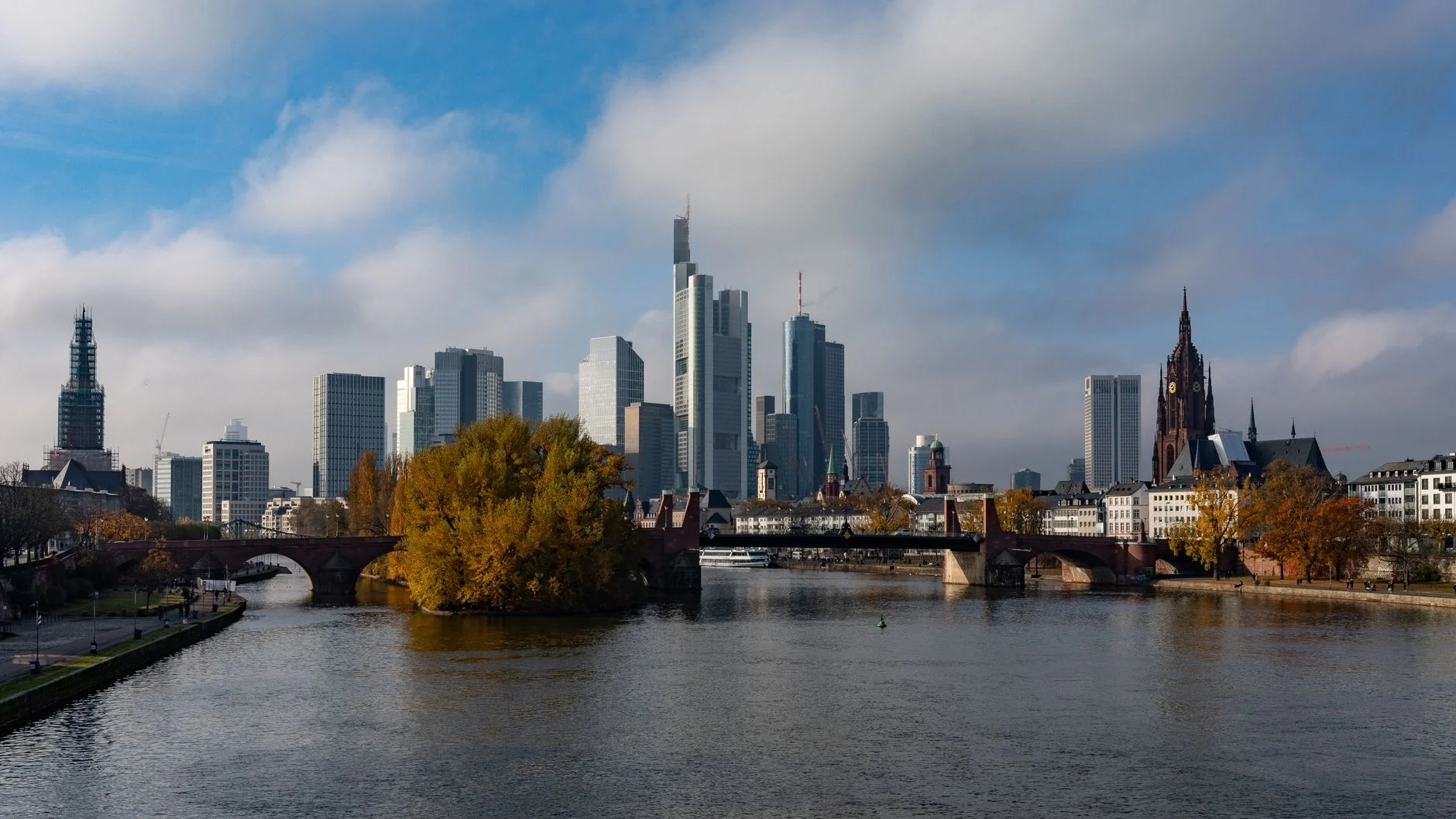
- Volksbank Brawo’s CEO Juergen Brinkmann abruptly resigns after 15 years at the helm.
- Leadership changes expose underlying governance challenges within regional German banks.
- Volksbank Brawo’s stability is emblematic of broader pressures facing Germany’s decentralized banking sector.
- Future regulatory scrutiny and market consolidation are likely as regional banks adapt to shifting economic conditions.
What happened
Juergen Brinkmann, the longstanding CEO of Volksbank Brawo, unexpectedly stepped down in late August 2026, ending a 15-year tenure marked by steady leadership in the regional banking sector. His departure, reportedly sudden and unplanned, followed internal disagreements over strategic direction amid intensifying competitive and regulatory pressures. This exit has prompted immediate questions about the governance structure at Volksbank Brawo, a mid-sized cooperative bank serving Lower Saxony and Saxony-Anhalt. The board swiftly appointed an interim successor, but the transition underscores unresolved tensions within the institution’s executive ranks.
Why it matters
Brinkmann’s resignation is not merely an isolated personnel change; it highlights systemic vulnerabilities among Germany’s regional banks, which have traditionally formed the backbone of the country’s decentralized financial ecosystem. These institutions face mounting challenges from digital transformation, tighter European banking regulations, and shifting consumer preferences. Leadership instability at a bank like Volksbank Brawo—one that plays a pivotal role in financing small and medium enterprises (SMEs) in its catchment area—can ripple through local economies. Investors and regulators alike view such disruptions as signals of deeper governance and strategic alignment issues that could threaten the resilience of regional banks more broadly.
Industry context
Germany’s banking landscape is characterized by a tripartite system: private commercial banks, public savings banks (Sparkassen), and cooperative banks like Volksbank Brawo. The cooperative segment, while historically stable, has been under pressure to consolidate and modernize. The past decade has seen a wave of mergers and closures as digital competitors, low interest rates, and regulatory burdens erode traditional revenue streams. The European Central Bank’s increased oversight, particularly post-2018 stress tests and Basel III implementation, has further constrained capital flexibility. Within this environment, leadership continuity is critical for navigating complex compliance demands and technological investments. Brinkmann’s departure thus comes at a moment when robust, forward-looking governance is essential.
Analysis
The abrupt leadership change at Volksbank Brawo reveals a tension between maintaining traditional cooperative banking values and adapting to a rapidly evolving financial environment. Brinkmann’s long tenure provided stability and a conservative approach to risk, but reportedly clashed with board members advocating for more aggressive digital transformation and expanded services. This internal friction reflects a broader strategic dilemma facing regional banks: balancing prudence with innovation under heightened external pressures. The governance challenges exposed suggest that some cooperative banks may lack the agility or consensus mechanisms needed to effectively manage these trade-offs. Moreover, the public nature of this leadership crisis could undermine stakeholder confidence at a time when trust is paramount.
What to watch next
Observers should monitor how Volksbank Brawo manages its executive transition and whether the new leadership can reconcile divergent strategic visions within the board and broader membership. Regulatory bodies, particularly BaFin and the ECB, may increase scrutiny of governance practices and risk management in cooperative banks following this episode. More broadly, the sector’s trajectory will depend on the pace of consolidation and digital adoption, as well as the ability of regional banks to maintain their core SME clientele while evolving operationally. The Volksbank Brawo case may presage further leadership volatility and strategic realignments across Germany’s cooperative banking network in the coming months.
Ask AI about this story
Answers are based on this article and SN Media’s related coverage. AI can make mistakes.
Frequently asked questions
Why did Juergen Brinkmann resign from Volksbank Brawo?
Brinkmann resigned abruptly after 15 years due to internal disagreements over the bank's strategic direction amid increasing competitive and regulatory pressures.
What does Brinkmannu2019s departure indicate about the state of regional banks in Germany?
His resignation highlights systemic governance challenges and vulnerabilities in Germanyu2019s decentralized regional banking sector, which is facing pressures from digital transformation, regulatory tightening, and shifting market conditions.
How might this leadership change affect Volksbank Brawo and its stakeholders?
The sudden leadership change exposes unresolved internal tensions and could undermine stakeholder confidence, potentially impacting the banku2019s ability to support local SMEs and navigate regulatory and technological challenges.
What are the expected next steps following this leadership transition?
Volksbank Brawo has appointed an interim CEO, and observers should watch how the new leadership manages strategic disagreements. Regulatory scrutiny from BaFin and the ECB may increase, and the broader sector may see further consolidation and leadership changes.
Continue the story
 LATEST
Why Goldman Sachs Remains Bullish on German Stocks Amid Political Uncertainty
LATEST
Why Goldman Sachs Remains Bullish on German Stocks Amid Political Uncertainty
- LATEST How Regional US Banks Are Reshaping Commodity Hedging Amid Market Volatility
- LATEST Kruk’s Strategic Pivot: From European Stronghold to Anglo-American Markets
- LATEST Assessing the Risk of Contagion in Europe’s Government Bond Markets
- LATEST How Private Equity’s Aggressive Talent Hunt is Reshaping Wall Street Careers