








What happened
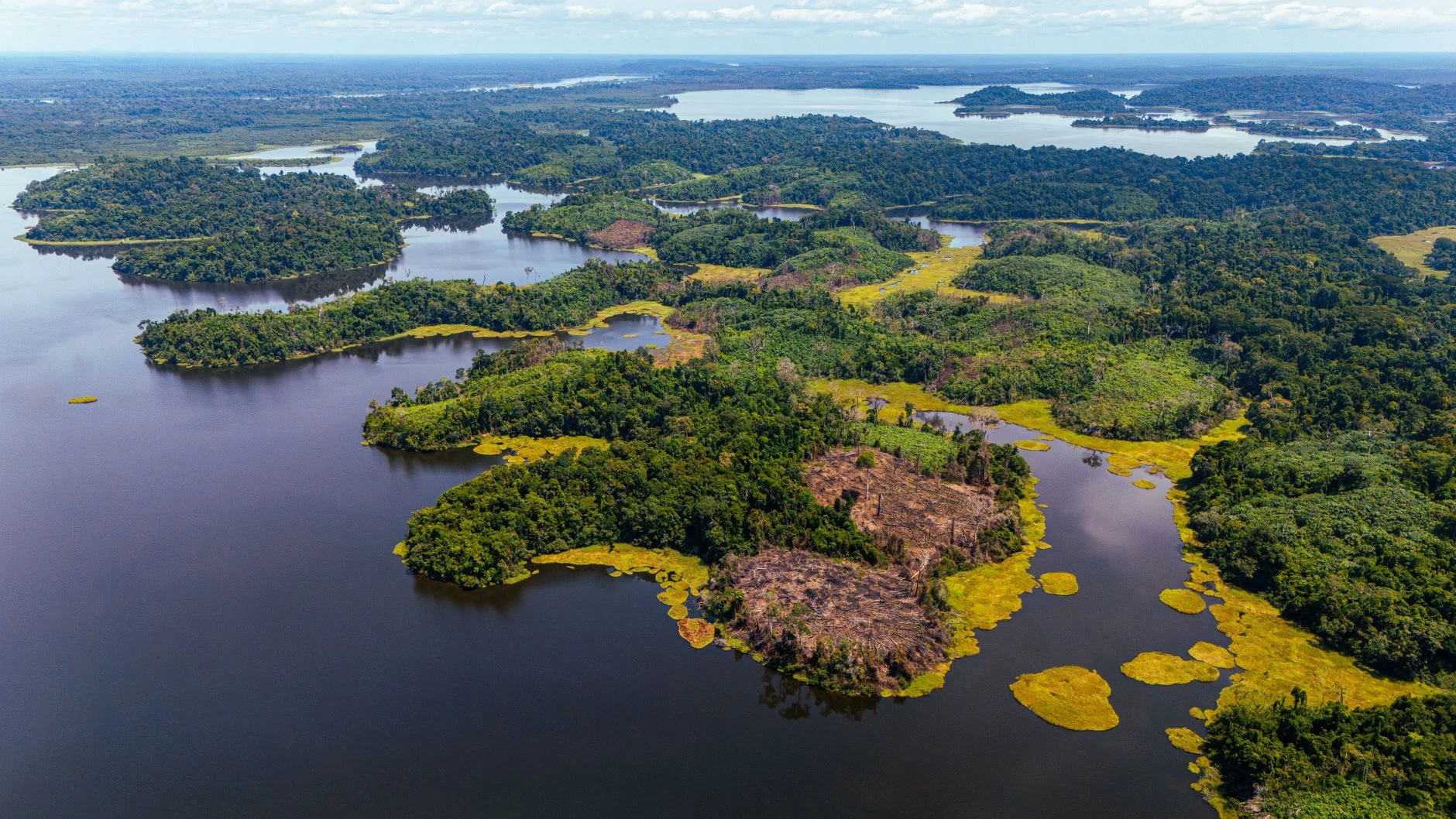
Recent ecological studies and environmental assessments have underscored the importance of maintaining connectivity within freshwater ecosystems. These analyses reveal how rivers, lakes, wetlands, and groundwater systems form complex networks that are essential for the survival of numerous aquatic and terrestrial species. Disruptions to these linkages—whether through infrastructure development, pollution, or climate change—are increasingly recognized as significant threats to biodiversity worldwide.
Why it matters
Freshwater ecosystems cover less than 1% of the Earth’s surface yet support approximately 10% of all known species, including many endemic and endangered organisms. The connectivity among these habitats facilitates genetic exchange, migration, and access to critical spawning and feeding grounds. When these connections are severed or impaired, species face habitat fragmentation, population declines, and increased extinction risks. Understanding and preserving freshwater connectivity is therefore fundamental to global biodiversity conservation efforts and ecosystem resilience.
Industry context
Freshwater connectivity intersects with multiple sectors including agriculture, hydropower, urban development, and fisheries. Infrastructure projects such as dams and water diversion systems often prioritize human needs but can inadvertently disrupt aquatic corridors. Additionally, industries contributing to pollution and sedimentation impact water quality and habitat conditions. Conservation policies and environmental regulations worldwide are gradually incorporating connectivity considerations, yet implementation remains inconsistent. Cross-sector collaboration and integrated water resource management models are emerging as critical frameworks to balance development with ecological preservation.
Analysis
The structural integrity of freshwater networks hinges on both longitudinal connectivity (flow along river courses) and lateral connectivity (exchange between rivers and floodplains or wetlands). Scientific evidence indicates that connectivity supports crucial life cycle processes, such as fish migration and nutrient cycling, which sustain ecosystem productivity. Conversely, barriers like dams fragment populations, reduce genetic diversity, and diminish ecosystem services. Climate variability further complicates these dynamics by altering flow regimes and increasing the frequency of extreme hydrological events.
Adaptive management strategies that incorporate ecological connectivity are essential for mitigating these risks. This includes the design of fish passages, removal of obsolete barriers, and restoration of floodplain habitats. Moreover, integrated monitoring systems that track changes in connectivity and species responses enable more informed decision-making. Effective governance depends on harmonizing policies across local, national, and international levels, recognizing that freshwater systems frequently cross political boundaries.
What to watch next
Future developments will likely focus on enhancing multidisciplinary approaches that integrate hydrology, ecology, and socioeconomics to safeguard freshwater connectivity. Attention will also turn to how climate adaptation strategies can be aligned with connectivity conservation to buffer aquatic ecosystems against increasing environmental variability. International cooperation frameworks may evolve to better address transboundary freshwater challenges, emphasizing shared responsibility for biodiversity preservation. Monitoring technologies and data-sharing platforms will play an instrumental role in tracking connectivity changes and guiding adaptive management. How these efforts coalesce will significantly influence the trajectory of global freshwater biodiversity conservation in the coming decades.
Ask AI about this story
Answers are based on this article and SN Media’s related coverage. AI can make mistakes.
Frequently asked questions
Why is freshwater connectivity important for biodiversity conservation?
Freshwater connectivity supports genetic exchange, migration, and access to critical spawning and feeding grounds, which are essential for the survival of many aquatic and terrestrial species. Disruptions to these connections lead to habitat fragmentation, population declines, and increased extinction risks.
What are the main threats to freshwater connectivity identified in the article?
The article highlights infrastructure development such as dams and water diversion, pollution, sedimentation, and climate change as key threats that disrupt freshwater connectivity and degrade habitat conditions.
How are current conservation efforts addressing freshwater connectivity challenges?
Conservation policies and environmental regulations are increasingly incorporating connectivity considerations, though implementation is inconsistent. Adaptive management strategies include designing fish passages, removing obsolete barriers, restoring floodplain habitats, and using integrated monitoring systems.
What future trends or developments does the article suggest for freshwater connectivity conservation?
Future efforts will likely emphasize multidisciplinary approaches integrating hydrology, ecology, and socioeconomics, align climate adaptation with connectivity conservation, enhance international cooperation on transboundary freshwater issues, and use advanced monitoring technologies and data-sharing platforms to guide adaptive management.
Continue the story
 LATEST
Climate Change and the Rhine: How Extreme Weather Disrupts European Supply Chains
LATEST
Climate Change and the Rhine: How Extreme Weather Disrupts European Supply Chains
- LATEST Urban Infrastructure Challenges Exposed by Flash Flooding in Tri-State Area
- LATEST Global Health Security and the Risk of Plague Resurgence in Siberia
- LATEST The Impact of Bolivia’s Half a Million Miners on Global Critical Minerals Supply
- LATEST The Corporate Missteps Behind Nike’s Decline: A Deep Dive