







What Happened
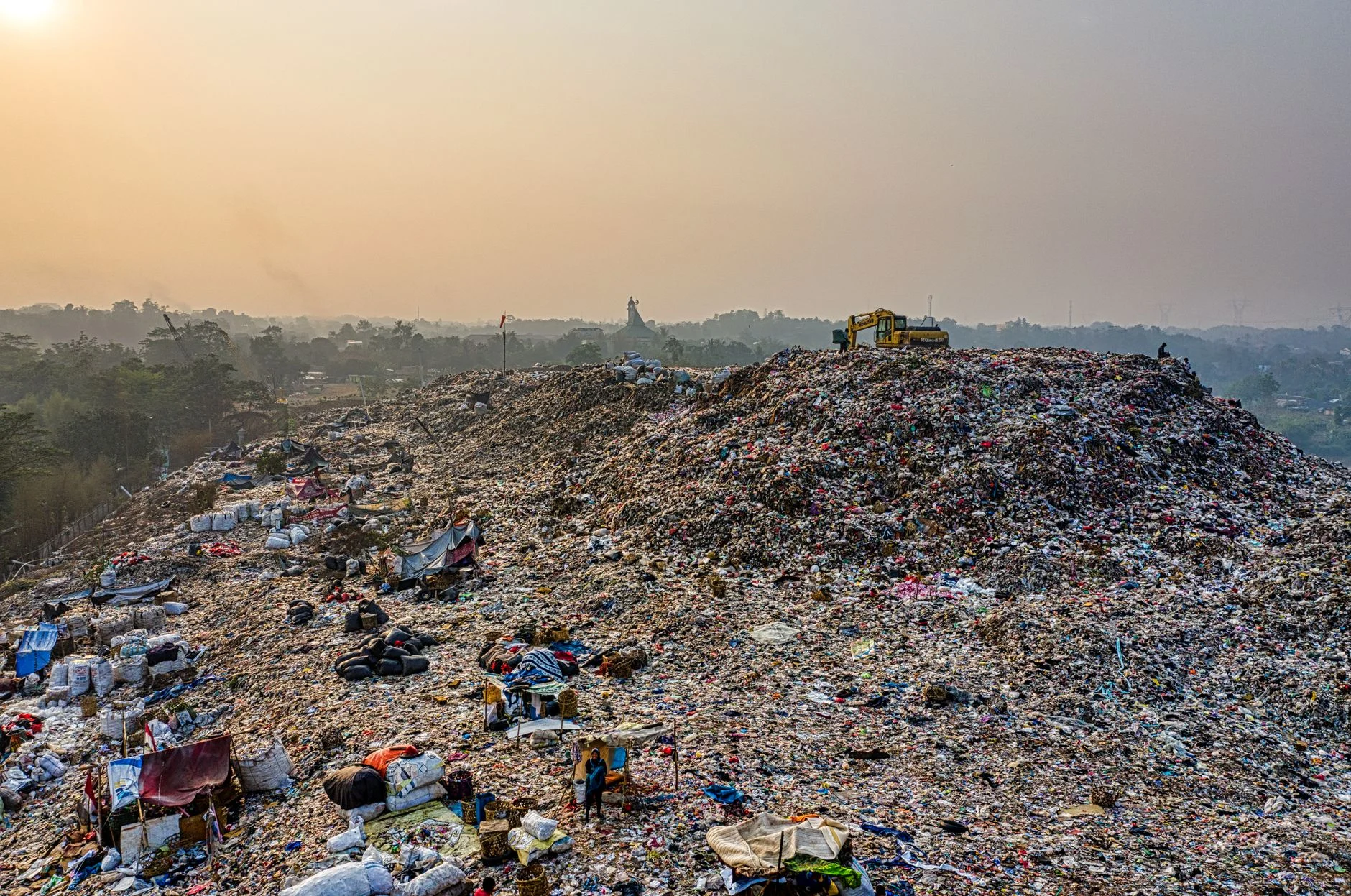
Waste management has undergone significant transformation over the past century, evolving from rudimentary disposal methods to complex, integrated systems designed to address environmental, social, and economic challenges. This evolution reflects a growing global recognition of waste as not merely a byproduct but a resource requiring strategic management. Advances in regulatory frameworks, technological innovation, and shifting societal attitudes have collectively reshaped how waste is handled, processed, and repurposed across diverse regions.
Why It Matters
The effective management of waste is central to sustainable development, public health, and environmental protection. Inadequate or outdated waste systems contribute to pollution, greenhouse gas emissions, and resource depletion, exacerbating climate change and biodiversity loss. As urban populations expand and consumption patterns intensify, the pressure on waste infrastructure increases, necessitating forward-looking frameworks that balance economic growth with ecological stewardship. Understanding the trajectory of waste management provides valuable insights for policymakers, industry stakeholders, and communities seeking to implement resilient and adaptive solutions.
Industry Context
Globally, waste management operates within a multifaceted ecosystem involving government agencies, private enterprises, informal sectors, and civil society. Developed countries have progressively institutionalized waste regulation, incorporating extended producer responsibility, landfill bans, and recycling mandates. Conversely, many developing nations grapple with infrastructural deficits and informal waste economies, highlighting disparities in capacity and access to technology. The waste management industry is also influenced by international protocols on hazardous waste, circular economy principles, and emerging resource recovery markets, all of which shape operational priorities and investment flows.
Analysis
The historical arc of waste management reveals a shift from linear disposal—characterized by collection and landfill—to integrated systems emphasizing reduction, reuse, and recycling. Early waste practices prioritized containment with limited environmental consideration, often resulting in pollution and health hazards. Over time, regulatory interventions introduced standards for waste segregation, treatment, and disposal, reflecting heightened environmental awareness and public demand for accountability.
Technological innovation has played a pivotal role in this evolution. Mechanical sorting, anaerobic digestion, waste-to-energy conversion, and advanced recycling techniques have expanded the toolkit for managing diverse waste streams. Digitalization and data analytics are increasingly employed to optimize collection routes, monitor landfill emissions, and enhance materials recovery rates.
Concurrently, conceptual frameworks such as the circular economy and zero waste have gained momentum, encouraging systemic redesign to minimize waste generation at the source. This paradigm challenges traditional consumption and production models, advocating for closed-loop systems where materials are perpetually cycled back into the economy.
Nevertheless, significant challenges persist. Disparities in regulatory enforcement, financing, and technological access create uneven progress globally. Moreover, evolving waste streams—driven by electronic products, plastics, and hazardous materials—demand adaptable solutions. Social dimensions, including informal sector integration and community engagement, also influence the efficacy and equity of waste management strategies.
What to Watch Next
Looking forward, the trajectory of waste management will likely hinge on several key developments. First, the scalability and integration of emerging technologies—such as advanced materials recycling, bio-based waste treatment, and smart infrastructure—will be critical. Second, policy innovation that aligns incentives for circularity with robust environmental safeguards will shape systemic transformation.
International cooperation and knowledge exchange remain vital for addressing transboundary waste challenges and harmonizing standards. Additionally, the incorporation of social equity considerations, particularly in formalizing informal sectors and fostering inclusive governance, will influence long-term sustainability.
Ultimately, the continued evolution of waste management frameworks will require a holistic approach that balances technological potential, regulatory rigor, and societal participation to meet the demands of a rapidly changing global landscape.
Ask AI about this story
Answers are based on this article and SN Media’s related coverage. AI can make mistakes.
Frequently asked questions
How has waste management evolved over time according to the article?
Waste management has shifted from simple disposal and containment methods to integrated systems focused on reduction, reuse, and recycling, driven by regulatory changes, technological advances, and changing societal attitudes.
What are the main challenges currently facing global waste management?
Challenges include disparities in regulatory enforcement, financing, and technology access, the complexity of evolving waste streams like electronics and plastics, and the need to integrate informal sectors and community engagement for equitable solutions.
What future developments does the article identify as important for waste management?
Key future developments include scaling emerging technologies such as advanced recycling and smart infrastructure, policy innovation to promote circularity, international cooperation for harmonized standards, and incorporating social equity in governance.
How do developed and developing countries differ in their waste management approaches?
Developed countries tend to have institutionalized regulations like producer responsibility and recycling mandates, while many developing countries face infrastructural deficits and rely on informal waste economies, reflecting uneven capacity and technology access globally.
Continue the story
 LATEST
Balancing Aviation Growth and Climate Goals: The Heathrow Third Runway Dilemma
LATEST
Balancing Aviation Growth and Climate Goals: The Heathrow Third Runway Dilemma
- LATEST Urban Infrastructure Challenges Exposed by Flash Flooding in Tri-State Area
- LATEST How Nobel Prize-Winning Decision Science is Shaping Modern Investment Strategies
- LATEST The Corporate Missteps Behind Nike’s Decline: A Deep Dive
- LATEST Inside Turkey’s Crackdown on Financial Fraud: The Detention of Top Executives