







What happened
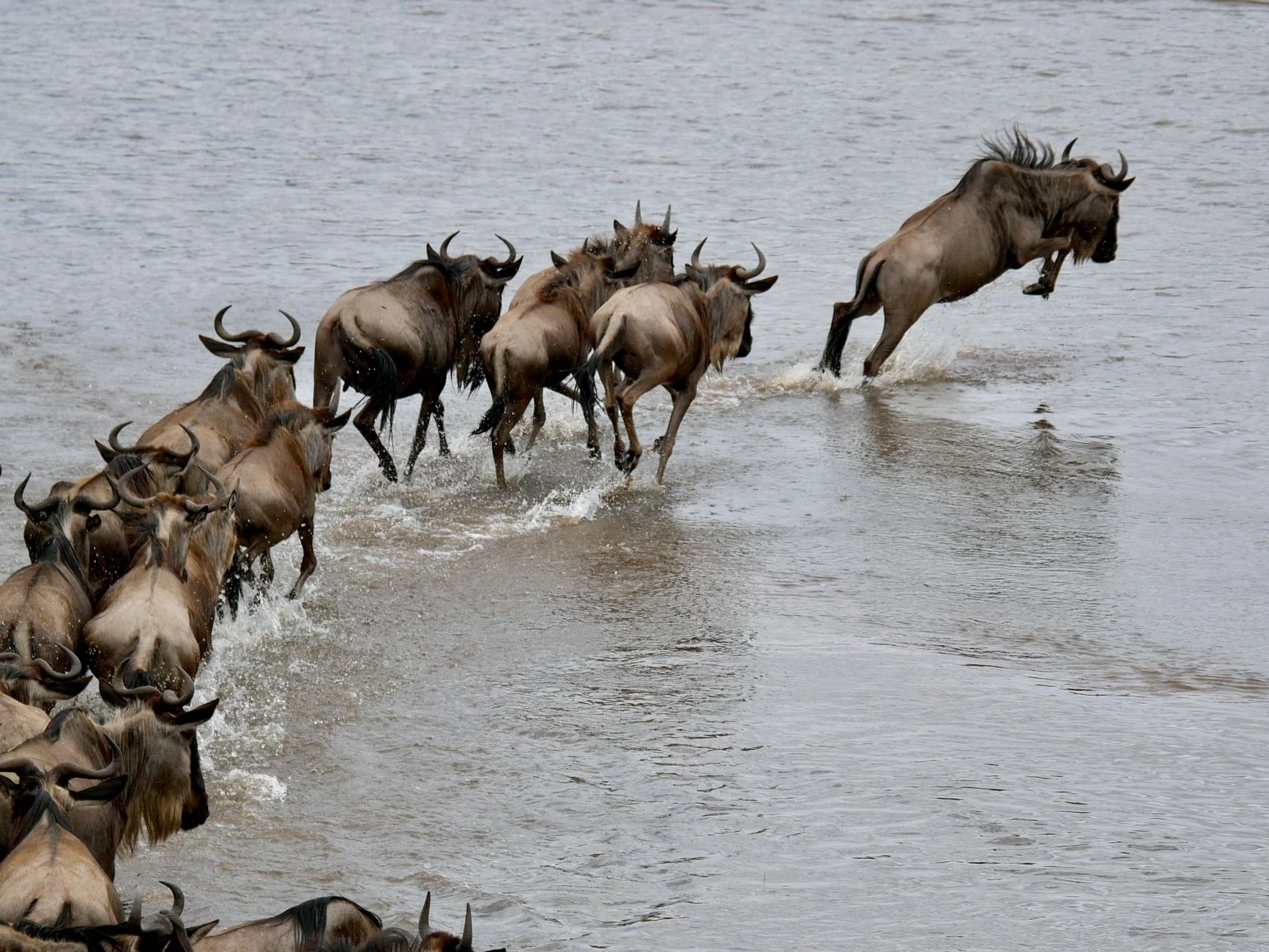
Wildlife migration corridors have increasingly attracted attention within conservation biology and environmental planning. These designated pathways enable the seasonal movement of species between habitats, facilitating access to breeding grounds, feeding areas, and refuges. As ecosystems face mounting pressures from habitat fragmentation, climate change, and human development, the role of migration corridors in sustaining biodiversity and ecosystem health has become a critical subject of ecological research and policy deliberations.
Why it matters
Migration corridors are fundamental to the survival of many animal species. By maintaining connectivity between isolated populations, these corridors help preserve genetic diversity, reduce inbreeding, and enable species to adapt to shifting environmental conditions. The disruption or loss of these pathways can lead to population declines, local extinctions, and diminished ecosystem resilience. Understanding the scientific principles underpinning corridor design and function is essential for informed conservation strategies that aim to mitigate biodiversity loss on a global scale.
Industry context
Conservation organizations, land management agencies, and environmental planners increasingly incorporate migration corridor science into their operational frameworks. This integration is reflected in land-use planning, infrastructure development, and protected area designation. Additionally, advancements in tracking technologies and spatial modeling have enhanced the ability to identify critical migration routes and assess corridor effectiveness. The intersection of ecological science with policy and industry practices highlights a multidisciplinary approach to addressing the challenges posed by habitat fragmentation and climate change.
Analysis
Migration corridors function as ecological arteries, facilitating gene flow and demographic stability across fragmented landscapes. Their effectiveness depends on several factors, including corridor width, habitat quality, and the presence of barriers such as roads or urban areas. Scientific studies emphasize the importance of landscape permeability—how easily organisms can move through the environment—and suggest that corridors must be tailored to species-specific movement behaviors and ecological requirements.
Moreover, corridors serve as conduits for adapting to climate change, allowing species to shift ranges in response to altered temperature and precipitation patterns. This dynamic function underscores the need for corridors to be integrated within broader landscape conservation networks rather than isolated strips of habitat. However, challenges remain in balancing human land uses with ecological connectivity, particularly in regions experiencing rapid urbanization or intensive agriculture.
The growing field of landscape genetics provides empirical evidence on how corridors influence genetic structure within and between populations, offering insights into long-term viability. Meanwhile, emerging frameworks emphasize the role of community engagement and indigenous knowledge in corridor planning, recognizing that social dimensions are integral to successful conservation outcomes.
What to watch next
The future of migration corridor science will likely hinge on refining spatial models that incorporate climate projections and multispecies interactions. Monitoring technologies, such as satellite telemetry and environmental DNA sampling, are expected to generate more precise data on animal movements and corridor usage patterns. Policy developments that promote cross-jurisdictional collaboration and incentivize private land stewardship will also be pivotal.
As global biodiversity faces unprecedented threats, the integration of migration corridor science into international conservation frameworks will be critical. Observers should watch for advances in corridor network design that enhance resilience against environmental disturbances, as well as efforts to reconcile development objectives with ecological connectivity. The ongoing dialogue between science, policy, and society will shape the capacity to safeguard species survival through these vital ecological linkages.
Ask AI about this story
Answers are based on this article and SN Media’s related coverage. AI can make mistakes.
Frequently asked questions
What are wildlife migration corridors and why are they important?
Wildlife migration corridors are designated pathways that allow seasonal movement of species between habitats, facilitating access to breeding, feeding, and refuge areas. They are important because they maintain connectivity between isolated populations, preserve genetic diversity, and enable species to adapt to changing environmental conditions.
What factors influence the effectiveness of migration corridors?
The effectiveness of migration corridors depends on factors such as corridor width, habitat quality, and the presence of barriers like roads or urban areas. Landscape permeability and species-specific movement behaviors also play crucial roles in how well corridors function.
How are migration corridors integrated into conservation and land-use planning?
Conservation organizations, land management agencies, and environmental planners incorporate migration corridor science into land-use planning, infrastructure development, and protected area designation. Advances in tracking technologies and spatial modeling help identify critical routes and assess corridor effectiveness, supporting multidisciplinary approaches to habitat fragmentation and climate change challenges.
What future developments are expected in migration corridor science and policy?
Future developments include refining spatial models with climate projections and multispecies interactions, improved monitoring technologies like satellite telemetry and environmental DNA sampling, and policy efforts promoting cross-jurisdictional collaboration and private land stewardship. These advances aim to enhance corridor network resilience and reconcile development with ecological connectivity.
Continue the story
 LATEST
Global Health Security and the Risk of Plague Resurgence in Siberia
LATEST
Global Health Security and the Risk of Plague Resurgence in Siberia
- LATEST Climate Change and the Rhine: How Extreme Weather Disrupts European Supply Chains
- LATEST How Nobel Prize-Winning Decision Science is Shaping Modern Investment Strategies
- LATEST Balancing Aviation Growth and Climate Goals: The Heathrow Third Runway Dilemma
- LATEST Assessing the Risk of Contagion in Europe’s Government Bond Markets