

What Happened
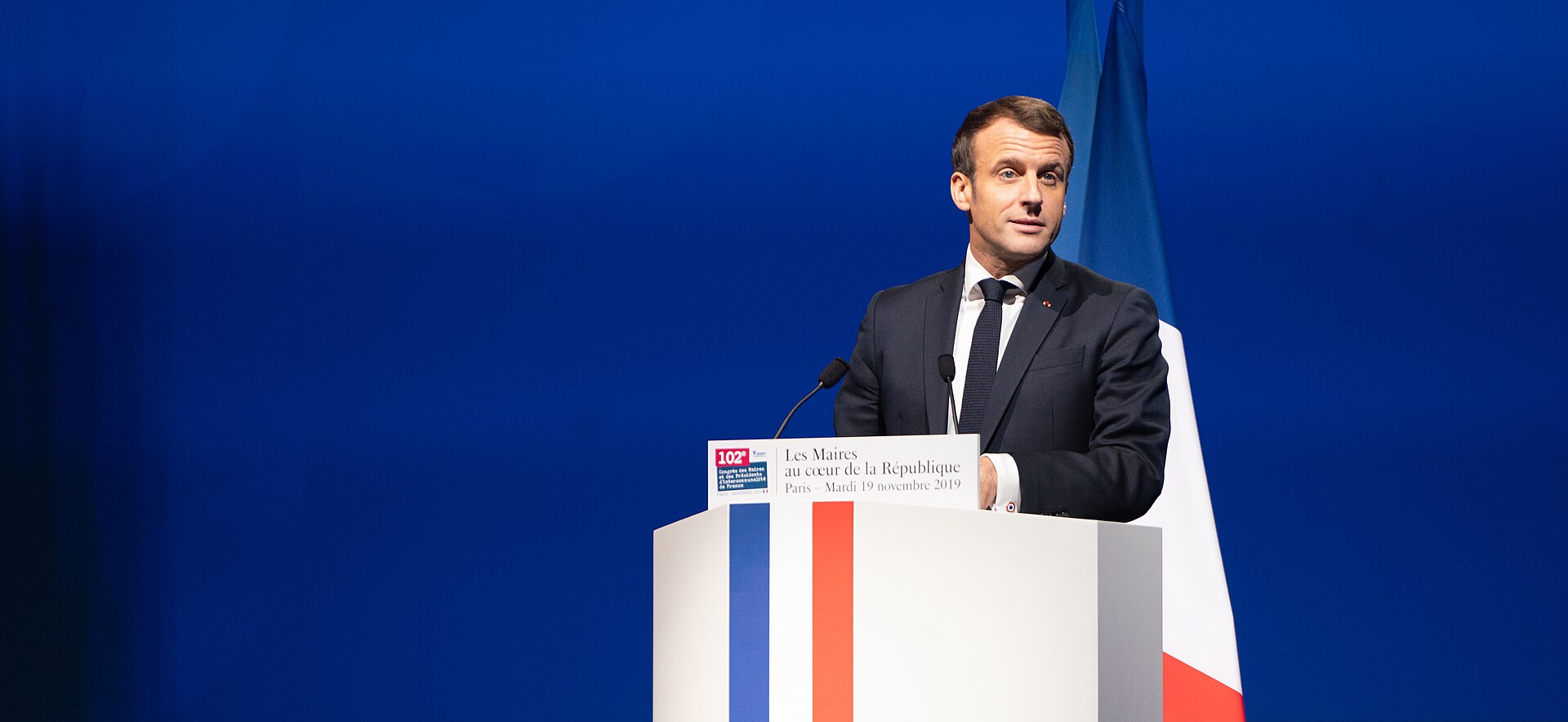
Amid an intense heatwave sweeping across southwestern France, President Emmanuel Macron convened a high-level crisis meeting to address the escalating wildfire situation near Bordeaux. The fires, fueled by prolonged drought and soaring temperatures, have threatened both urban and rural areas, prompting urgent evacuation orders and mobilization of emergency services. This gathering brought together government officials, regional authorities, and emergency responders to coordinate response efforts and assess resource deployment.
Why It Matters
The significance of this crisis meeting extends beyond immediate firefighting efforts. It underscores the growing challenges European governments face in managing climate-induced natural disasters. France, like many countries, is grappling with the increasing frequency and intensity of wildfires that threaten lives, infrastructure, and ecosystems. The government’s response strategy will not only affect short-term disaster mitigation but also shape national preparedness policies and influence broader European cooperation on climate resilience.
Industry Context
Wildfire management has become a critical focus within emergency services and environmental policy sectors globally. In recent years, Europe has witnessed unprecedented wildfire outbreaks, stretching firefighting capacities and prompting calls for enhanced technological integration, cross-border collaboration, and sustainable land management. France’s approach, particularly its coordination between civil protection agencies and regional authorities, reflects wider trends in emergency preparedness that emphasize rapid response, resource optimization, and community safety. These efforts occur against a backdrop of increasing scrutiny over climate adaptation investments and risk communication strategies.
Analysis
President Macron’s crisis meeting illustrates a methodical approach to crisis management under escalating environmental stress. Central to the government’s strategy is improving interagency coordination, ensuring efficient allocation of firefighting assets, and reinforcing evacuation protocols. The inclusion of regional leaders highlights an understanding of localized vulnerabilities and the need for tailored responses. However, the current wildfire episode also exposes structural challenges, such as limited firefighting capacity relative to the scale of the threat and the complexities of managing fires near densely populated areas.
Moreover, the situation near Bordeaux serves as a case study in the broader implications of climate change for national security and public health. The heatwave’s role in exacerbating fire risks emphasizes the necessity for integrated climate risk assessments within emergency planning frameworks. It also points to the importance of investing in preventive measures, including forest management and community preparedness, to reduce the frequency and severity of such crises.
What to Watch Next
Key developments to monitor include the effectiveness of the government’s immediate response in containing the fires and safeguarding affected populations. Additionally, attention will focus on policy outcomes stemming from this crisis meeting, particularly any commitments to bolster firefighting infrastructure or enhance climate adaptation strategies. The evolving coordination between national and European entities in addressing wildfire risks will also be critical, as will the integration of scientific data into real-time decision-making. Long-term, the incident may catalyze renewed debates on climate resilience funding and emergency response reforms within France and across the continent.