

What Happened
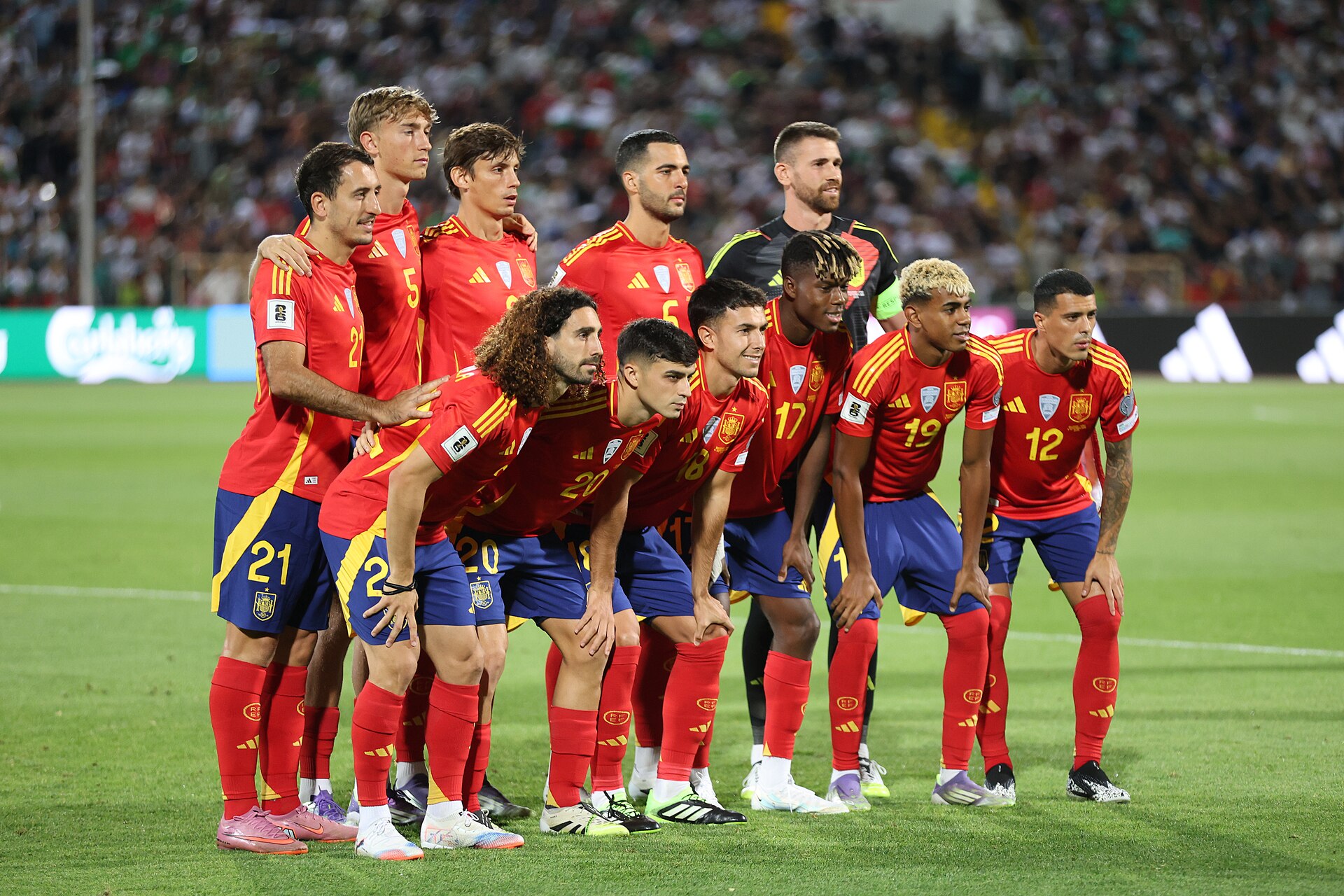
In a striking display of collective discipline and tactical cohesion, Spain secured a notable victory over France in the 2026 World Cup. Despite France’s roster brimming with internationally renowned talent, it was Spain’s well-orchestrated team dynamics and strategic execution that proved decisive. The match underscored how meticulous preparation and unified effort can prevail over individual brilliance on football’s biggest stage.
Why It Matters
This outcome challenges prevailing narratives that emphasize star players as the primary determinants of success in elite football competitions. Spain’s approach demonstrated that a harmonized team structure, combined with tactical flexibility and resilience, can neutralize the advantage typically afforded by individual skill alone. The game served as a potent reminder that football remains fundamentally a team sport, where synergy often outweighs isolated talent.
Industry Context
Modern international football has increasingly witnessed a tension between star-led teams and those prioritizing systemic tactics. France’s squad, lauded for its depth of individual talent, exemplifies a trend where teams rely heavily on marquee players to influence the outcome. Conversely, Spain’s strategy reflects a tradition rooted in possession-based, collective play, emphasizing spatial control, pressing, and fluid positional interchange. This dichotomy reflects broader debates within football analytics and coaching philosophies regarding the optimal balance between individual flair and structural coherence.
Analysis
Spain’s success can be attributed to several key factors. First, their tactical discipline limited France’s ability to leverage individual moments of brilliance. Defensive organization minimized space for France’s creative players, while midfield coordination disrupted passing lanes and transitions. Second, Spain’s possession-oriented approach allowed them to dictate tempo, forcing France to react rather than initiate. This control reduced the frequency and effectiveness of French counterattacks. Finally, the Spanish squad exhibited remarkable physical and mental endurance, maintaining intensity and focus through critical phases of the match. These elements combined to create a formidable collective unit that functioned with precision and adaptability.
What to Watch Next
Moving forward, this match will likely influence tactical trends in international football, encouraging a reevaluation of team-building philosophies. Observers should monitor how other national teams react—whether they double down on assembling star-studded rosters or pivot towards more integrated, system-driven models. Additionally, the impact on player development frameworks, emphasizing versatility and teamwork over individual specialization, warrants close attention. Ultimately, the 2026 World Cup encounter between Spain and France may serve as a case study in the enduring value of teamwork amidst evolving football paradigms.