

What happened
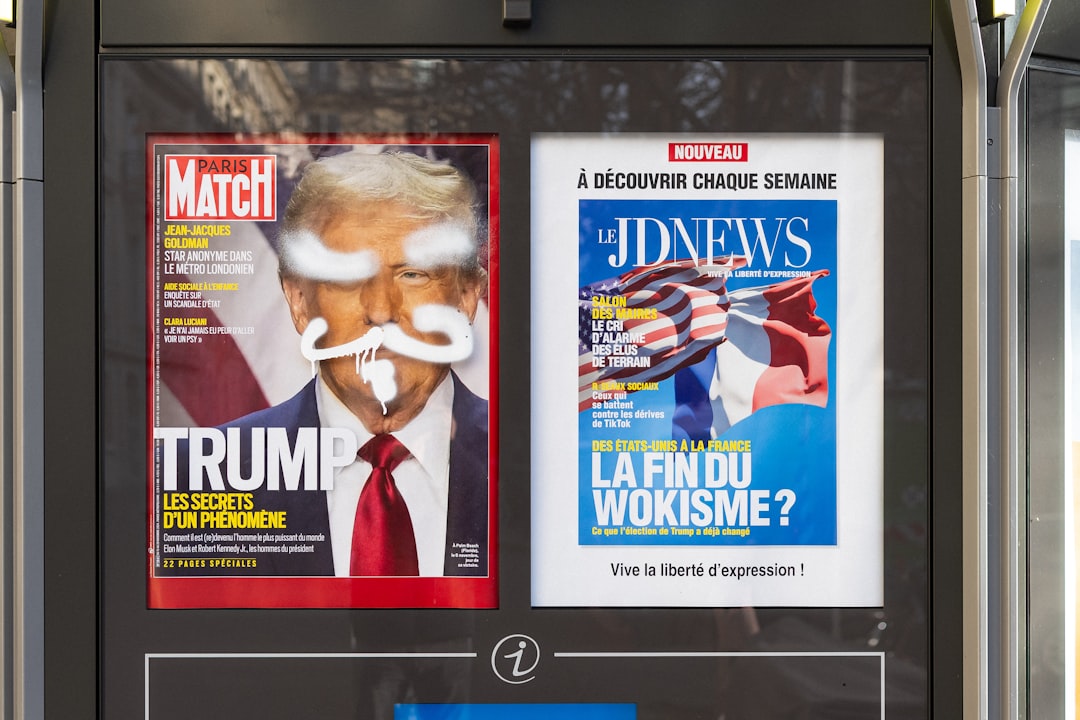
Political campaigns today have evolved far beyond traditional rallies and door-to-door canvassing. Increasingly, they operate as sophisticated media organizations, complete with dedicated newsrooms, data analytics teams, and omnipresent content production capabilities. This transformation reflects a strategic recalibration toward controlling narratives, shaping public opinion in real time, and responding dynamically to the 24/7 news cycle and social media environment.

Why it matters
The reconfiguration of political campaigns into media-centric operations alters the fundamental mechanics of democratic engagement. With campaigns acting as their own content creators and distributors, the boundary between journalism and political messaging blurs. This raises critical questions about information authenticity, media plurality, and the influence of targeted messaging on voter behavior. Understanding this shift is essential for policymakers, media watchdogs, and voters alike as it reshapes the landscape of political communication and electioneering.
Industry context
The political communication sector has long relied on mass media channels—television, radio, and print—to reach voters. However, the digital revolution has fragmented audiences and extended the channels through which campaigns engage electorates. Social networks, podcasts, video platforms, and direct messaging apps have become indispensable tools. In response, campaigns have internalized many functions previously outsourced to external agencies, building in-house teams that mirror traditional media organizations in scope and structure. This trend parallels broader shifts in marketing and public relations industries, where content-driven strategies dominate.

Analysis
The integration of newsroom-style operations within political campaigns signifies a deliberate attempt to control both the pace and framing of political discourse. These internal media hubs produce press releases, video content, social media posts, and rapid-response analyses, often in multiple languages and tailored to segmented voter demographics. Data analytics underpin these efforts, enabling hyper-targeted messaging and real-time performance tracking. This approach allows campaigns to anticipate voter sentiment shifts, counteract opposition narratives quickly, and amplify their own messaging with precision.
However, this media machinery also presents challenges. The prioritization of rapid, narrative-driven content can incentivize sensationalism and the oversimplification of complex policy issues. The echo chamber effect is intensified when campaigns use data-driven insights to reinforce existing voter beliefs rather than fostering open debate. Moreover, the erosion of traditional journalistic gatekeeping raises concerns about misinformation and the dilution of fact-based discourse.
What to watch next
Future developments in political media operations will likely focus on further integration of emerging technologies such as augmented reality, personalized video content, and advanced behavioral analytics. Observers should monitor how regulatory frameworks adapt to address transparency and accountability in campaign communications. Additionally, the evolving role of independent journalism in this environment remains critical; its ability to provide unbiased scrutiny amidst campaign-controlled narratives will influence democratic resilience. The interplay between technological innovation, campaign strategy, and public trust will shape the trajectory of political communication in coming election cycles.