
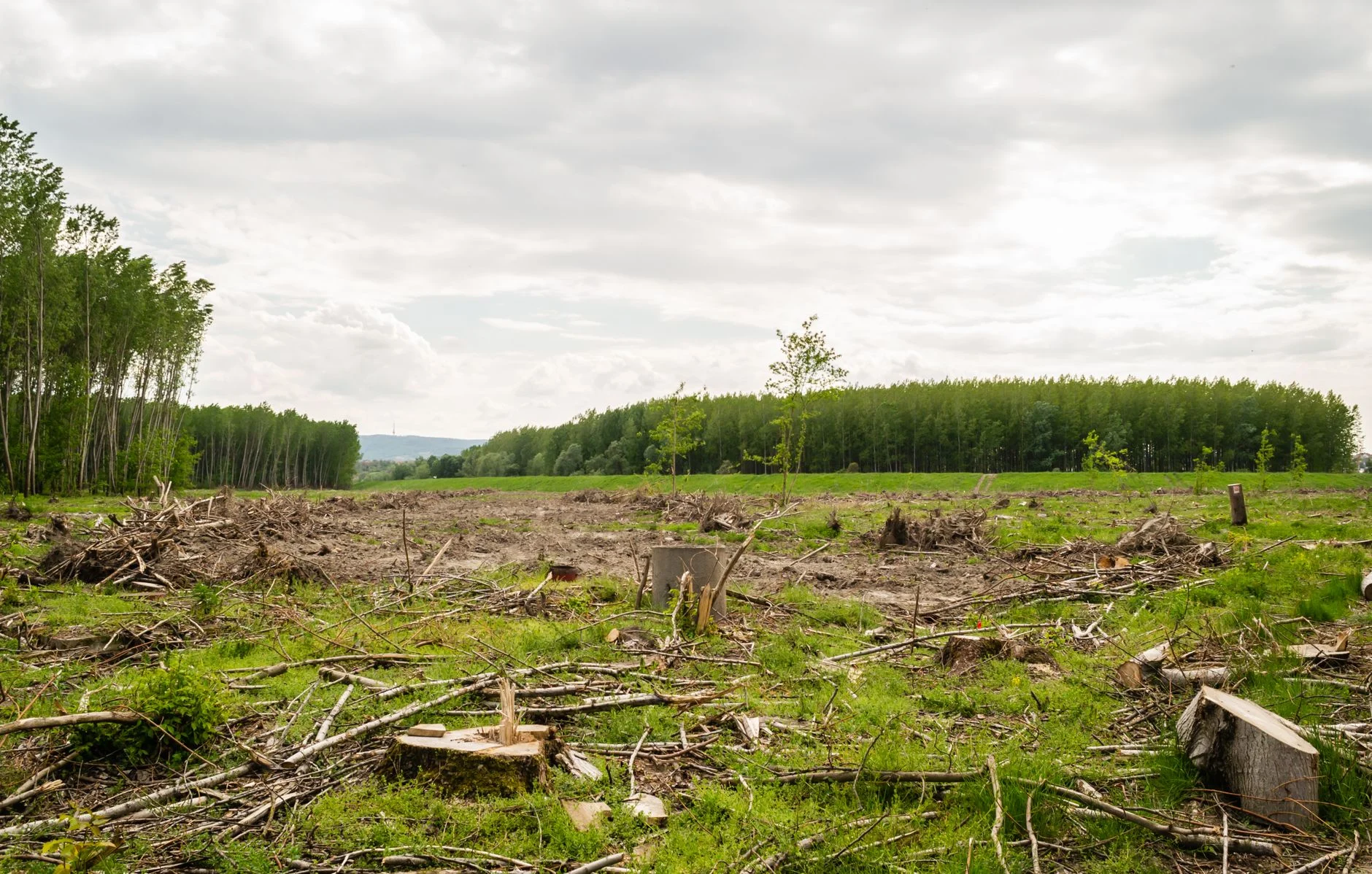

What happened
Deforestation continues to reshape vast tracts of the Earth’s terrestrial ecosystems. The large-scale removal of forest cover—driven by agricultural expansion, logging, infrastructure development, and resource extraction—has progressively altered habitat structures and ecosystem functions across multiple continents. Despite ongoing efforts to regulate and mitigate tree loss, global forested areas remain under pressure, with significant implications for biodiversity, carbon storage, and regional climate dynamics.
Why it matters
The alteration of forest ecosystems is not merely a localized environmental issue; it carries profound consequences for planetary health. Forests regulate atmospheric carbon dioxide levels, support complex biological networks, and influence hydrological cycles. Their degradation disrupts these critical services, accelerating climate change, threatening species survival, and undermining ecosystem resilience. Understanding the long-term ecological consequences of deforestation is essential for developing sustainable land-use policies and safeguarding the natural systems that underpin human well-being.
Industry context
The forestry, agriculture, and land management sectors operate at the intersection of economic development and environmental stewardship. Global commodity markets, including timber, palm oil, soy, and beef, remain significant drivers of forest conversion. Meanwhile, international conservation organizations and policymakers have increasingly promoted frameworks such as REDD+ (Reducing Emissions from Deforestation and Forest Degradation) to incentivize forest preservation. However, competing interests and governance challenges have limited the effectiveness of these initiatives, complicating efforts to balance economic growth with ecological sustainability.
Analysis
Decades of deforestation have yielded complex, cascading effects on ecosystems. The immediate loss of forest cover fragments habitats, isolating plant and animal populations and reducing genetic diversity. Over time, these changes undermine ecosystem stability and increase vulnerability to invasive species and disease. The removal of trees also diminishes carbon sequestration capacity, contributing to elevated greenhouse gas concentrations and altering climate feedback loops. Regionally, deforestation affects precipitation patterns by disrupting evapotranspiration processes, with consequences for both local agriculture and water availability.
Moreover, soil degradation follows extensive tree removal, leading to erosion and nutrient depletion that hinder forest regeneration and agricultural productivity. The interplay between these ecological factors demonstrates that deforestation’s impacts extend well beyond the initial clearing phase, embedding themselves in terrestrial and atmospheric systems. This underscores the importance of integrated land management approaches that consider long-term ecological integrity alongside short-term economic objectives.
What to watch next
Future developments to monitor include the implementation and scaling of nature-based solutions aimed at forest restoration and sustainable land use. The evolution of international regulatory frameworks and market-based incentives will be critical in shaping deforestation trajectories. Additionally, advancements in remote sensing and ecological modeling may improve the capacity to assess forest health and predict long-term outcomes more accurately. Observing how governments, industries, and communities adapt to these challenges will provide insight into the potential for mitigating the enduring ecological consequences of deforestation.