

What happened
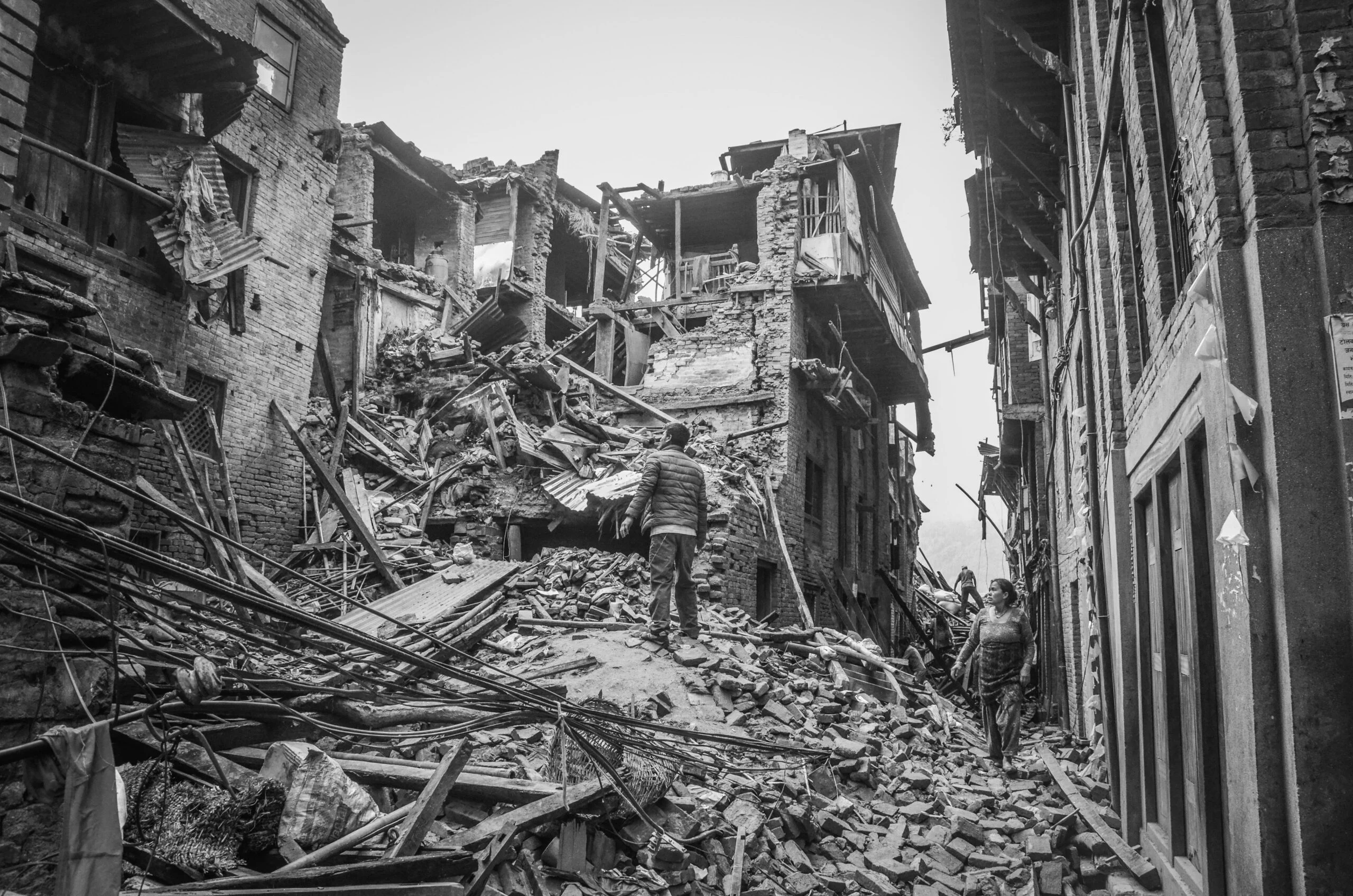
In the wake of a significant earthquake in Japan, survivors have been displaced into evacuation centers where they confront not only the immediate devastation caused by the seismic event but also the compounding challenge of intense heat. As temperatures soar, these temporary shelters struggle to provide adequate relief, exacerbating the physical and psychological toll on affected populations.
Why it matters
The intersection of natural disaster aftermath and extreme weather conditions presents a complex public health crisis. Survivors are vulnerable to both the trauma induced by sudden displacement and the physiological risks posed by heat exposure. This convergence underscores the critical need for emergency response frameworks to address multidimensional threats, ensuring that relief efforts do not inadvertently deepen hardship.
Industry context
Disaster management and humanitarian response have traditionally focused on immediate search, rescue, and shelter provision. However, recent climate patterns—marked by increasing frequency and intensity of heatwaves—demand a reevaluation of preparedness strategies. Evacuation centers must now balance structural safety with thermal comfort, integrating public health considerations such as hydration, ventilation, and mental health support into their operational protocols.
Analysis
The scenario in Japan highlights significant gaps in current disaster response mechanisms. While seismic resilience and rapid mobilization remain priorities, the emergence of secondary stressors like heat stress reveals vulnerabilities in infrastructure and planning. Prolonged stays in overcrowded, heat-retentive spaces risk exacerbating both physical ailments and psychological distress, potentially leading to long-term health consequences. This situation also draws attention to the intersectionality of climate change and disaster risk, where compounding hazards amplify human suffering and strain response capacities.
Moreover, mental health repercussions for survivors can be severe. The trauma of the earthquake itself is compounded by discomfort, sleep disruption, and dehydration linked to high temperatures, which can hinder recovery and resilience. Effective disaster response must therefore incorporate multidisciplinary approaches that address mental health alongside physical well-being in a holistic manner.
What to watch next
Future monitoring will need to focus on how evacuation centers adapt to the dual pressures of natural disasters and climate extremes. Innovations in shelter design, cooling technologies, and health services integration will be critical indicators of progress. Additionally, the policy response at local and national levels concerning disaster preparedness and climate adaptation will warrant close observation. Stakeholders should watch for emerging guidelines and investments aimed at enhancing resilience to compounded hazards, as well as data on the long-term health outcomes for affected populations.