
What Happened
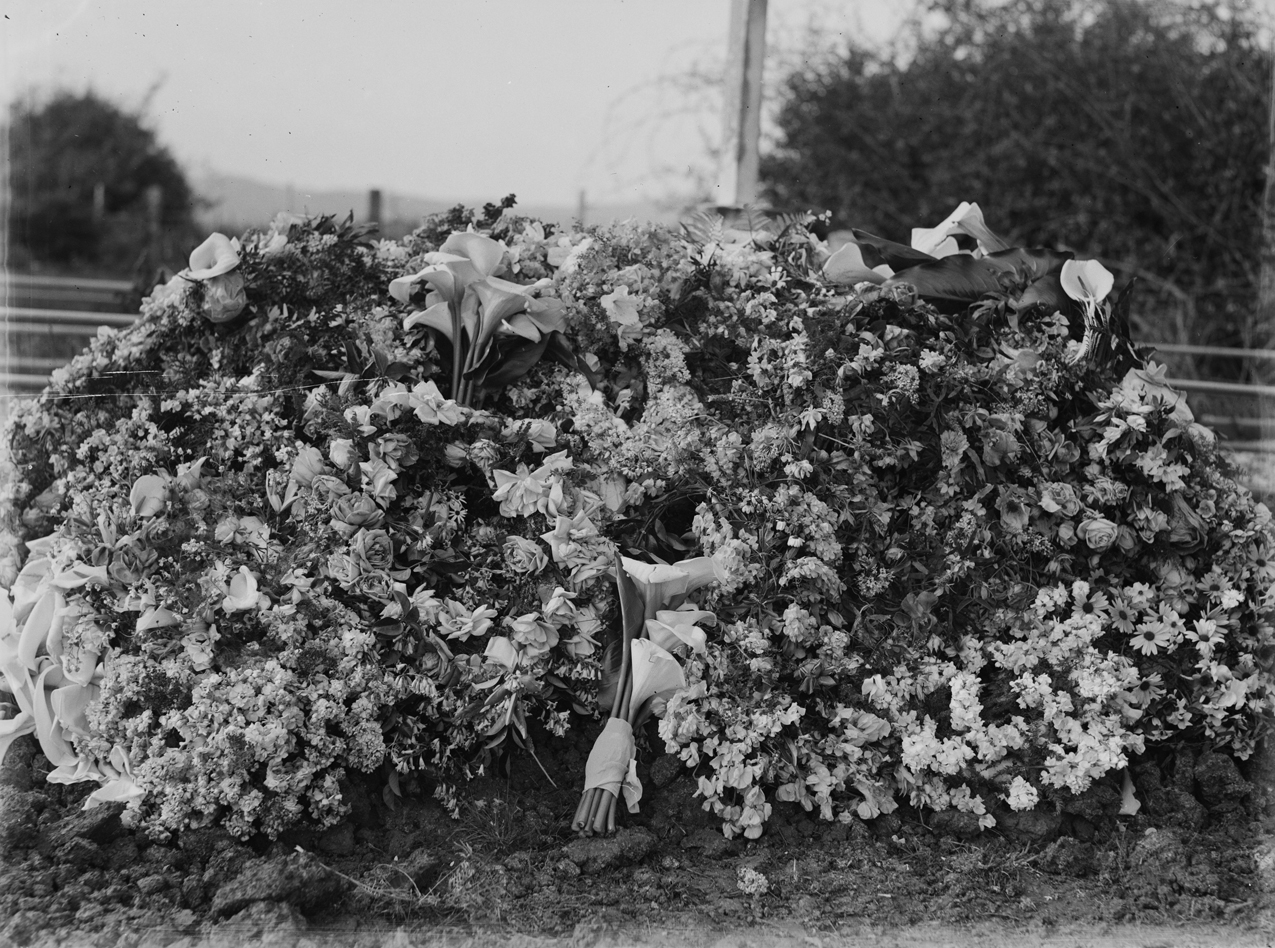
The funeral of renowned singer Bonnie Tyler, scheduled to take place in the coming weeks, will be live-streamed to accommodate a global audience of mourners. This approach reflects a broader shift in how funeral services are conducted, with digital platforms increasingly enabling remote participation. The decision to broadcast the ceremony online is emblematic of a growing trend that has gained traction over recent years, accelerated by technological advancements and changing social dynamics.
Why It Matters
Live-streaming funerals addresses key challenges related to accessibility and inclusivity in mourning practices. Traditional funeral attendance is often limited by geographic, financial, or health-related constraints. By enabling virtual attendance, families and communities can unite across distances, preserving the collective experience of grief and remembrance. This shift also prompts a reevaluation of cultural norms surrounding death rituals and how technology intersects with deeply personal moments.
Industry Context
The funeral industry has historically been slow to integrate new technologies, maintaining conventional rituals for centuries. However, the COVID-19 pandemic catalyzed significant changes, as restrictions on gatherings compelled providers to adopt digital solutions. Live-streaming and virtual memorials have since become more commonplace, with funeral homes investing in audiovisual capabilities and web-based platforms to serve diverse client needs. This evolution is not confined to any single region but reflects an international adaptation to contemporary circumstances.
Analysis
The rise of live-streamed funerals highlights a confluence of technological innovation and evolving societal attitudes toward death and mourning. On one hand, digital memorial services democratize access, allowing participation from those otherwise unable to attend due to travel limitations or health concerns. On the other, they challenge traditional definitions of presence and communal grieving. There are also technical and ethical considerations, including privacy, data security, and the potential for commercialization of intimate moments. Moreover, the permanence of digital records contrasts with the ephemeral nature of physical ceremonies, raising questions about how memories are curated and preserved.
Bonnie Tyler’s forthcoming funeral serves as a high-profile example illustrating these dynamics. As a figure with a global fan base, the decision to live-stream her memorial underscores the necessity of accommodating international audiences. It also exemplifies how public figures’ funerals can drive wider acceptance of virtual attendance norms, setting precedents for future services across different cultures and contexts.
What to Watch Next
As live-streaming becomes more integrated into funeral services, stakeholders will need to navigate regulatory, cultural, and technological challenges. Industry players may explore standardized protocols for virtual ceremonies, balancing accessibility with respect for tradition. Innovations in immersive technologies, such as virtual and augmented reality, could further transform how memorials are experienced remotely. Monitoring public reception and the long-term psychological impacts of virtual grieving practices will be critical for understanding the full implications of this shift. Ultimately, the intersection of technology and mourning will continue to evolve, reflecting broader societal changes in how we confront mortality and memory.