

What happened
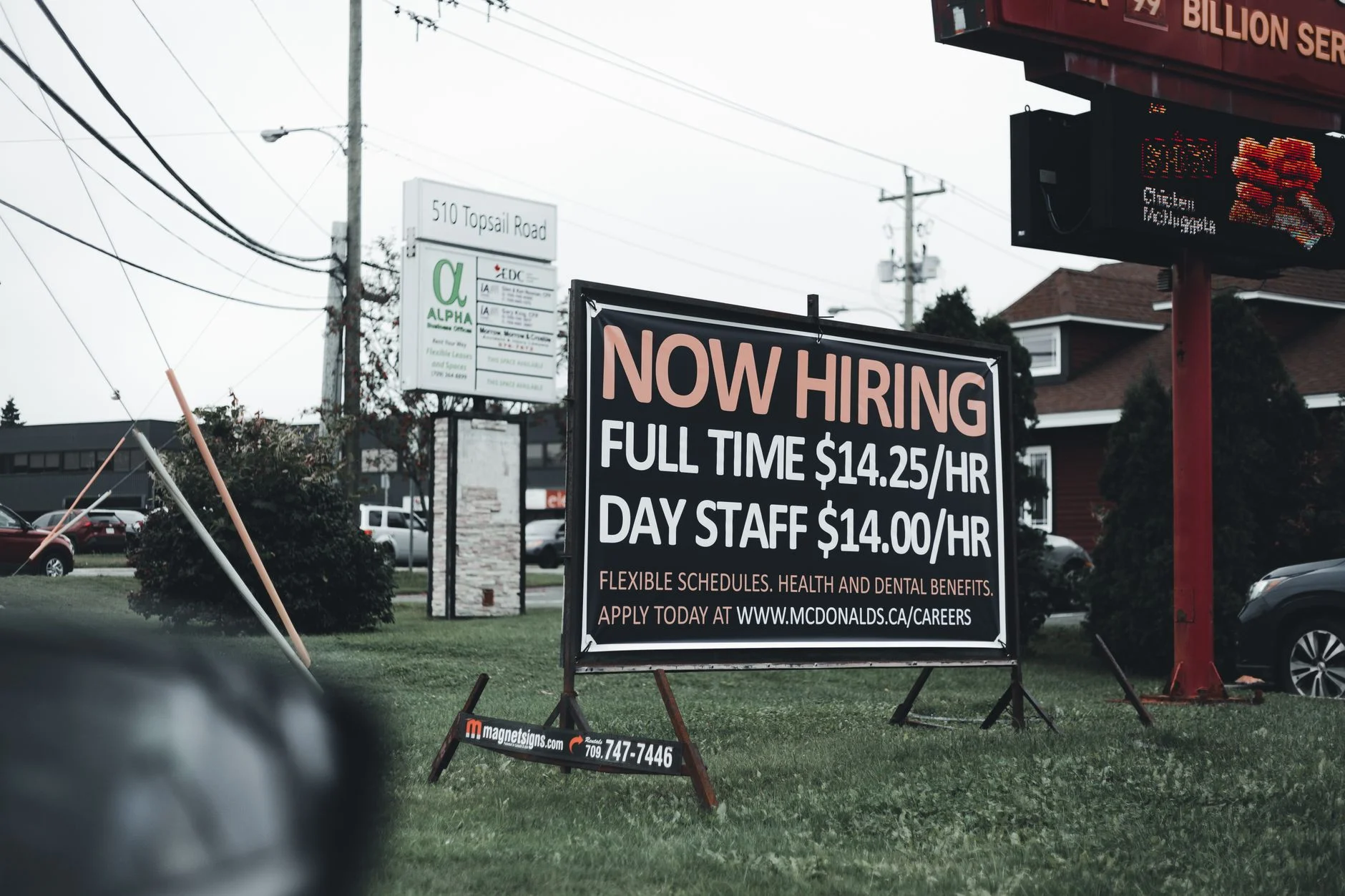
Over recent decades, a notable and persistent divergence has emerged between productivity growth and wage increases in many advanced economies. Despite ongoing gains in output per worker, real wages for a significant portion of the workforce have shown limited advancement. This disparity has contributed to growing income inequality and heightened debates about the efficacy of current economic policies. The phenomenon, often described as wage stagnation, signals deeper structural shifts within labor markets and the broader economic landscape.
Why it matters
The gap between productivity and wage growth has profound implications for social cohesion, consumer demand, and economic stability. When wages do not keep pace with productivity, the benefits of economic growth become unevenly distributed, undermining the purchasing power of middle- and lower-income households. This dynamic can suppress aggregate demand, constrain economic mobility, and fuel political and social tensions. Understanding the underlying causes is essential for policymakers aiming to design interventions that promote inclusive growth and sustainable economic development.
Industry context
The divergence between productivity and wages is situated within broader industrial and technological transformations. Globalization has intensified competitive pressures, leading to offshoring and wage suppression in certain sectors. Simultaneously, technological advancements—particularly automation and digitalization—have altered labor demand, privileging high-skill occupations while diminishing opportunities for routine and manual jobs. These shifts are compounded by evolving labor market institutions and regulatory frameworks that influence bargaining power and employment conditions.
Analysis
Several interrelated factors contribute to the wage-productivity gap. First, globalization has restructured production chains, enabling firms to relocate labor-intensive tasks to lower-wage regions, thereby exerting downward pressure on wages in developed economies. Second, technological change has increased the premium on cognitive and non-routine skills, generating wage polarization and weakening wage growth for middle- and low-skill workers.
Third, the decline in unionization and collective bargaining coverage has reduced workers’ leverage to negotiate wage increases aligned with productivity gains. Labor market deregulation and the rise of non-standard employment forms have further fragmented work arrangements, often at the expense of wage progression and job security.
Moreover, shifts in corporate governance and shareholder expectations have prioritized short-term financial returns, sometimes at the cost of reinvesting gains into workforce compensation. The interplay of these factors creates a complex environment where wage growth fails to reflect improvements in worker productivity fully.
What to watch next
Going forward, the trajectory of wage growth relative to productivity will hinge on multiple policy and economic responses. Key areas include the evolution of labor market institutions, such as the potential revitalization of collective bargaining frameworks and minimum wage policies. The capacity of education and training systems to equip workers with skills aligned to technological demands will also be critical.
Additionally, shifts in corporate governance paradigms—balancing shareholder interests with broader stakeholder considerations—may influence compensation structures. Monitoring how governments address globalization’s labor market impacts through trade and industrial policy will further illuminate prospects for narrowing the wage-productivity divide.
Ultimately, addressing wage stagnation requires a multifaceted approach that acknowledges its structural roots and integrates economic, social, and institutional dimensions.