




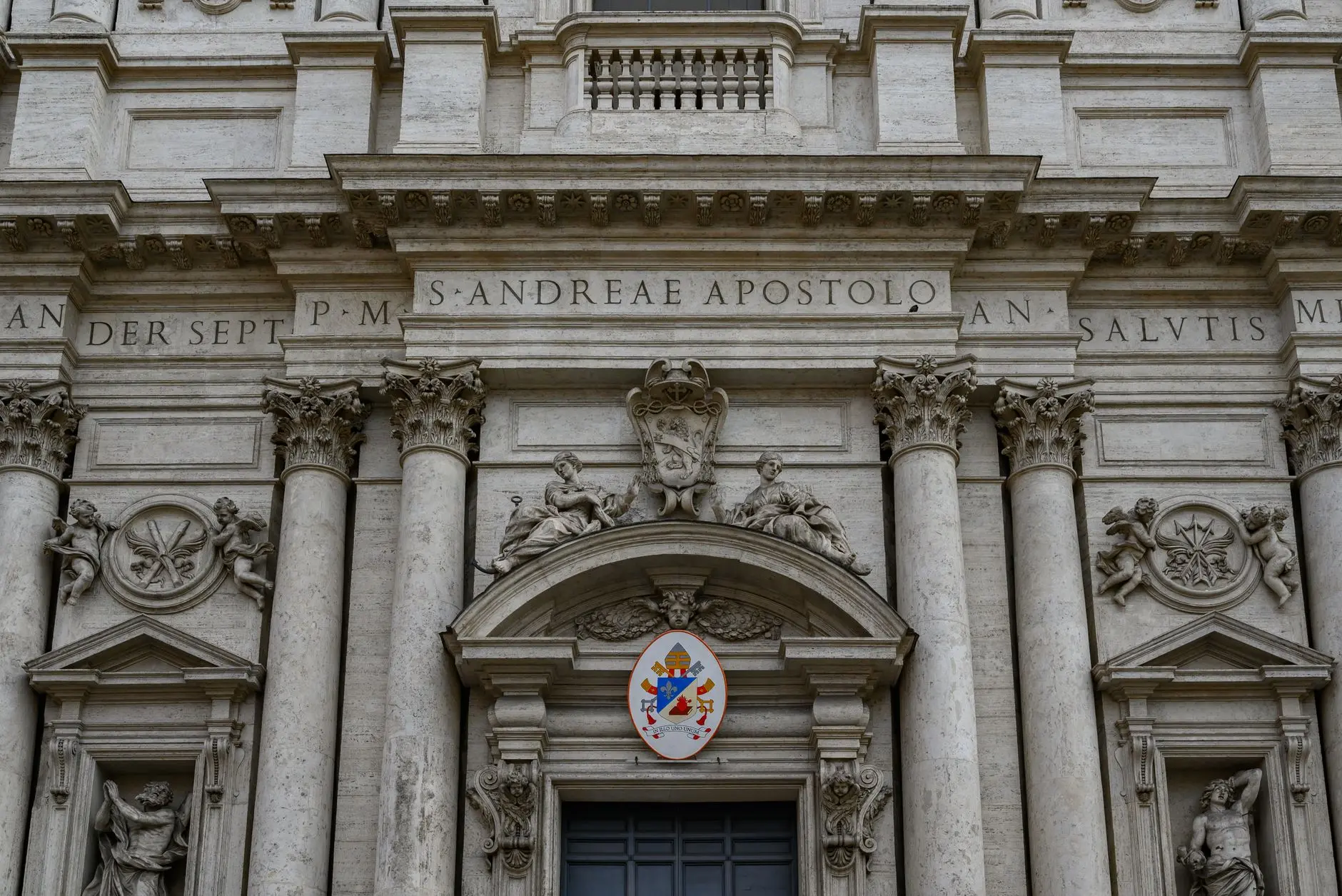
- Italy’s right-leaning government realigns Vatican influence within national policymaking.
- The Vatican navigates shifting alliances to maintain its diplomatic leverage in Europe.
- Domestic political fragmentation in Italy complicates the Holy See’s traditional role as moral arbiter.
- Broader geopolitical currents amplify Vatican-Italy relations beyond ecclesiastical concerns.
What happened
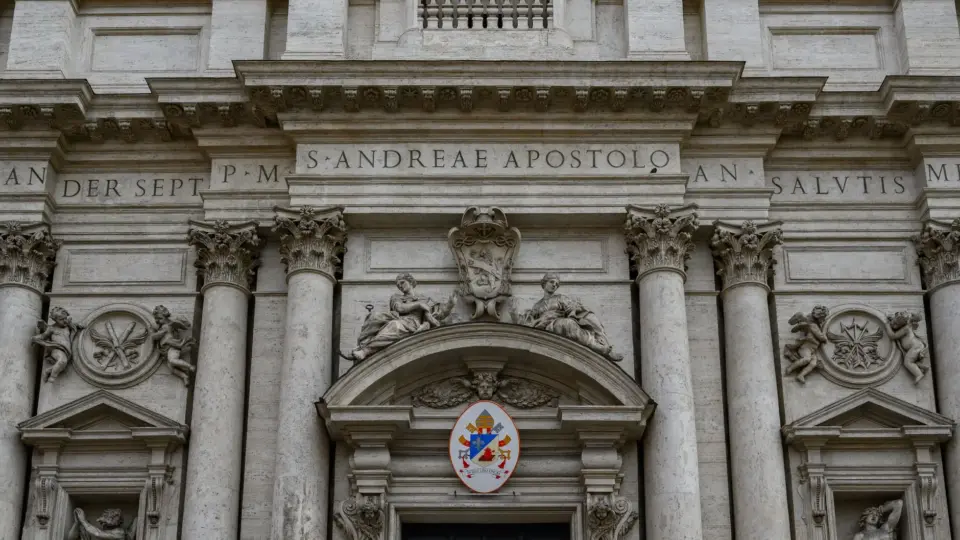
Italy’s political landscape has undergone significant transformation over the past decade, culminating in a government increasingly dominated by right-wing forces that challenge the postwar centrist consensus. This shift reverberates beyond domestic governance, directly impacting the Vatican’s influence in Italy and its broader international posture. The Holy See, historically intertwined with Italian political life through both formal concordats and informal networks, faces a recalibration of its role as the country’s political center of gravity moves. Recent developments include legislative initiatives on social issues, immigration, and cultural policy that diverge from Vatican priorities, alongside the Vatican’s cautious diplomatic engagement with Italy’s ruling coalition.
Why it matters
The Vatican’s position as a sovereign entity within Rome and its moral authority across Catholic-majority countries depends in part on stable and cooperative relations with the Italian state. Italy’s political shifts threaten to erode this symbiosis, complicating the Vatican’s ability to influence legislation and social discourse domestically. Furthermore, as Italy is a founding member of the European Union and a key actor in Mediterranean geopolitics, changes in its governance affect the Vatican’s broader diplomatic and strategic engagements. Navigating these dynamics is crucial for the Holy See to sustain its diplomatic relevance and protect its interests amid a fracturing European political order.
Industry context
The Vatican’s influence in Italy is anchored in a complex web of historical, legal, and cultural factors. The Lateran Treaty of 1929 formalized the Vatican City State’s sovereignty and established the Roman Catholic Church’s privileged status within Italy. Over subsequent decades, the Church has leveraged this foundation to shape policies on education, family law, and moral issues. However, Italy’s postwar political landscape has been marked by fragmentation, with frequent shifts between centrist, leftist, and rightist coalitions. Recent electoral successes by nationalist and populist parties have introduced new tensions between secular governance and ecclesiastical interests, particularly on immigration, LGBTQ+ rights, and secularism in public life. At the same time, the Vatican’s global diplomatic role is evolving, as it confronts rising nationalism and shifting alliances in Europe and beyond.
Analysis
The current Italian government, led by a coalition including the Brothers of Italy and the League, presents a more assertive nationalist agenda that diverges from many Vatican positions, especially regarding immigration and social policy. This divergence challenges the traditional channels through which the Vatican has exerted influence—namely, through Catholic-leaning centrist parties and personal ties within Italy’s political elite. The Vatican’s response has been measured, focusing on dialogue and discreet diplomacy to avoid alienating the government while reaffirming core Church teachings.
This strategic restraint reflects a recognition that overt confrontation could reduce the Vatican’s leverage in a country where secular and populist forces increasingly command public support. Simultaneously, the Vatican is recalibrating its international engagement, seeking to reinforce alliances with EU institutions and other Catholic-majority states to offset potential isolation in Italy. The Holy See’s diplomatic corps is attentive to Italy’s role as a Mediterranean and European pivot, understanding that political instability or a further rightward tilt could complicate Vatican efforts on migration and humanitarian issues.
Internally, the Vatican faces pressures from within the Italian Catholic community, which is divided between traditionalists aligned with the new government’s cultural agenda and progressives advocating for Pope Francis’s more inclusive vision. This intramural tension adds layers of complexity to the Vatican’s capacity to serve as a unifying moral authority in Italian society.
What to watch next
Key developments to monitor include upcoming Italian legislative debates on social and immigration policies, where Vatican advocacy may be tested. The Holy See’s diplomatic engagement with the Italian government—particularly any public statements or behind-the-scenes negotiations—will signal its evolving strategy. Additionally, shifts within Italy’s Catholic laity and clergy in response to political polarization will indicate the strength of Vatican influence at the grassroots level.
On a broader scale, Italy’s interactions with the European Union and Mediterranean neighbors will shape the context in which the Vatican operates. Any changes in Italy’s stance on EU migration policies or regional security could affect Vatican priorities and partnerships. Finally, the Vatican’s approach to balancing its spiritual mission with geopolitical realities in Rome will continue to be a revealing barometer of its adaptability amid rapidly changing political currents.
Ask AI about this story
Answers are based on this article and SN Media’s related coverage. AI can make mistakes.
Frequently asked questions
How has Italyu2019s political shift affected the Vaticanu2019s influence domestically?
The rise of a right-wing government in Italy has introduced legislative initiatives on social issues, immigration, and cultural policy that diverge from Vatican priorities, complicating the Holy Seeu2019s traditional role and reducing its influence through former Catholic-leaning centrist parties.
What strategies is the Vatican using to maintain its influence amid Italyu2019s changing politics?
The Vatican is adopting a measured response focused on dialogue and discreet diplomacy to avoid confrontation, while also recalibrating its international engagement by reinforcing alliances with EU institutions and other Catholic-majority states to offset potential isolation in Italy.
What internal challenges does the Vatican face within the Italian Catholic community?
There is a division between traditionalists aligned with the new governmentu2019s cultural agenda and progressives supporting Pope Francisu2019s more inclusive vision, creating tensions that complicate the Vaticanu2019s ability to act as a unifying moral authority in Italy.
What future developments should be watched to understand Vatican-Italy relations?
Key areas include Italian legislative debates on social and immigration policies, the Vaticanu2019s diplomatic engagement with the Italian government, shifts within Italyu2019s Catholic laity and clergy, and Italyu2019s interactions with the EU and Mediterranean neighbors, all of which will influence the Vaticanu2019s diplomatic and moral role.
Continue the story
 BACKGROUND · How we got here
The Growing Influence of Russian-Aligned Lobbyists in Washington
BACKGROUND · How we got here
The Growing Influence of Russian-Aligned Lobbyists in Washington
- BACKGROUND · How we got here How Rising Bond Yields Are Reshaping European Equity Markets
- BACKGROUND · How we got here Assessing the Risk of Contagion in Europe’s Government Bond Markets
- BACKGROUND · How we got here Romania’s Strategic Shift: Scaling Back Eurobond Issuance Amid Domestic Borrowing Surge
- BACKGROUND · How we got here Switzerland’s Diplomatic Strategy Amid Russia’s Seizure of Nestle Assets