

What happened
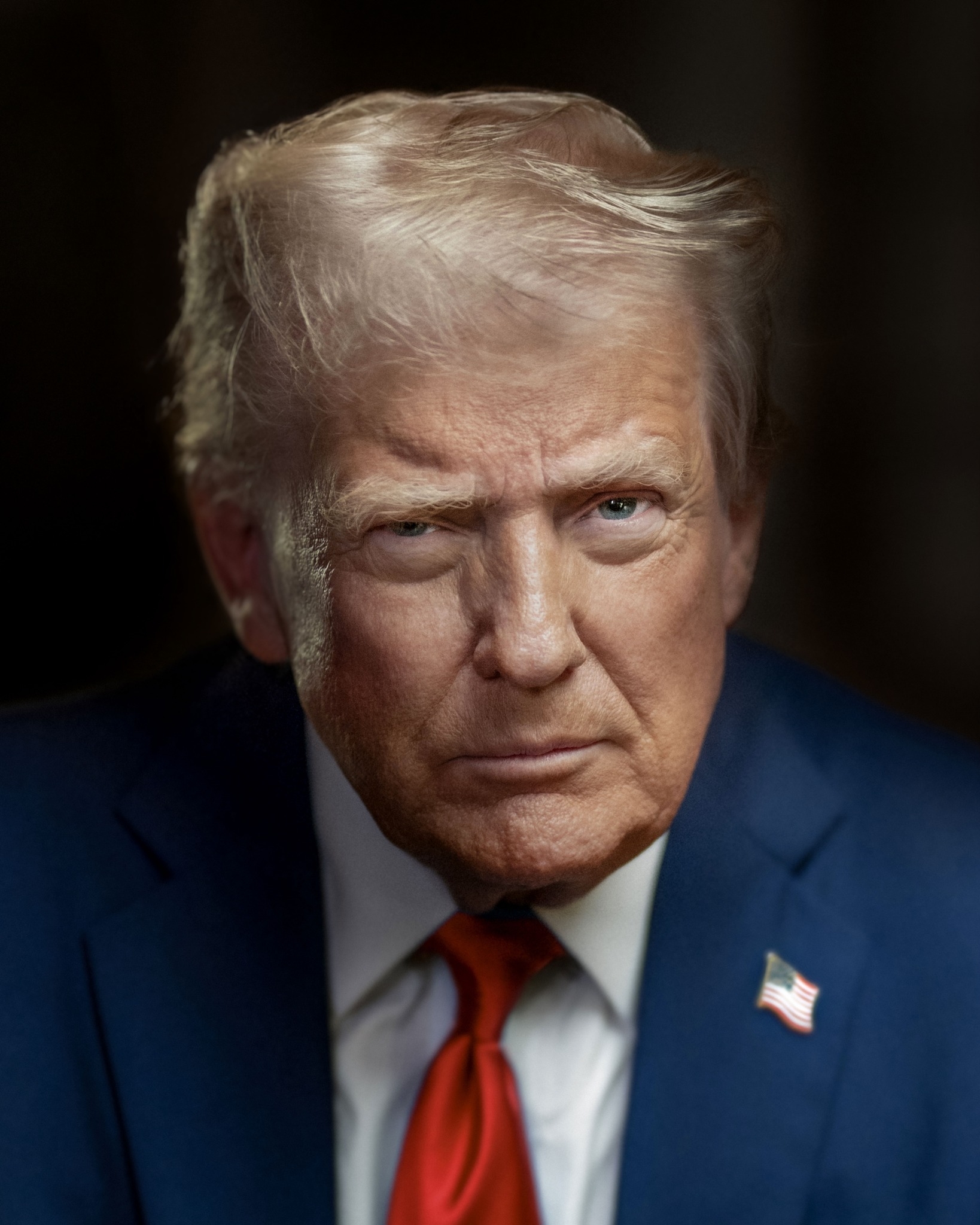
Donald Trump, the former President of the United States, has been indicted on 34 felony counts related to allegations of financial misconduct and other criminal activities. Following the charges, he entered a formal plea in court, marking a significant legal milestone in his ongoing judicial proceedings. These developments have thrust the political arena into uncharted territory as the 2024 presidential election approaches.
Why it matters
The indictment and plea of a former president on multiple felony charges is unprecedented in American political history. This situation raises critical questions about the integrity of the electoral process, the influence of legal challenges on voter perceptions, and the potential reshaping of party dynamics. The legal battles may affect not only Trump’s candidacy but also the strategies of competing political actors and the broader electorate’s engagement.
Industry context
Political campaigns increasingly intersect with legal and media scrutiny, especially in high-stakes elections. Criminal charges against a major candidate introduce complexities that reverberate through political consulting, media coverage, and public opinion analytics. Historically, legal controversies involving political figures have led to shifts in campaign narratives, fundraising capacities, and voter mobilization efforts. The 2024 election cycle is poised to be shaped by these evolving dynamics amid a polarized and highly competitive political environment.
Analysis
Trump’s felony charges carry multifaceted implications. On one hand, they may erode support among moderate and undecided voters concerned with ethics and governance. Conversely, they could galvanize segments of his base that perceive the charges as politically motivated, reinforcing a narrative of victimization and resilience. The legal proceedings might also distract from policy debates, shifting media and public focus toward courtroom developments rather than campaign platforms.
Political parties and candidates will need to navigate this landscape carefully. The Republican Party faces internal divisions between staunch defenders of Trump and those advocating for alternative leadership. Meanwhile, Democratic strategists may recalibrate approaches to either capitalize on the charges or avoid exacerbating partisan polarization. Media outlets and analysts will be tasked with balancing thorough reporting with the risk of sensationalism in an already charged atmosphere.
What to watch next
Key developments to monitor include the progression of Trump’s legal case, any potential changes to his campaign status, and the reactions of influential party figures. Voter polling data will be pivotal in assessing shifts in public opinion as the election nears. Additionally, the responses of the judicial system and electoral institutions may set important precedents for handling candidates facing criminal charges. The intersection of law and politics in this context will likely influence not only the 2024 election but also the broader trajectory of American democracy.