




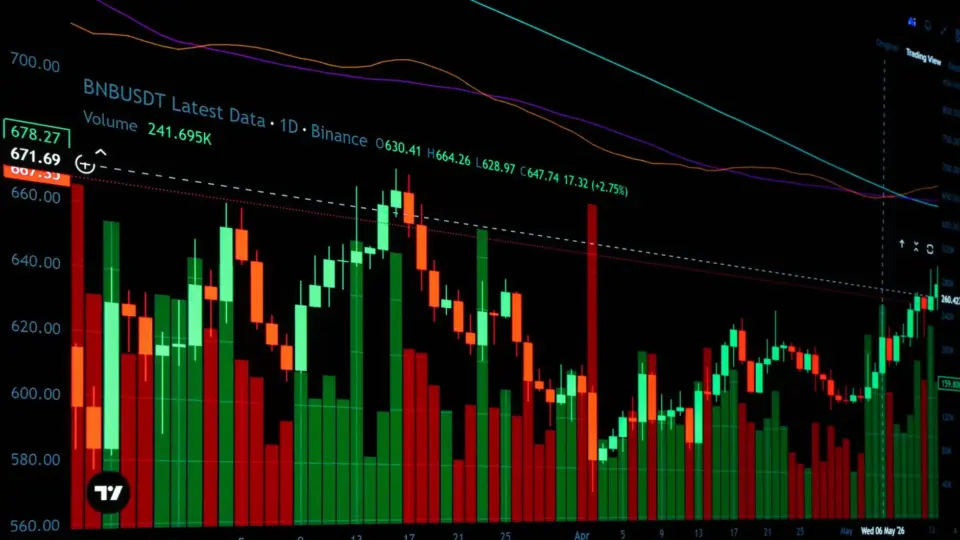




- Declining oil prices are easing market volatility in AI-driven technology stocks.
- Lower energy costs reduce input uncertainties and improve investor risk appetite in growth sectors.
- Energy market shifts recalibrate inflation expectations, influencing equity valuations across industries.
- Tech sector resilience remains contingent on broader macroeconomic and geopolitical developments.
What happened
Oil prices have experienced a notable decline over recent weeks, coinciding with a moderation in the sharp selloff that had gripped AI-focused technology stocks. Following a period of heightened volatility, where fears around inflation and interest rate trajectories unsettled growth equities, the retreat in crude prices appears to have contributed to a more stable trading environment. U.S. stock futures responded positively as benchmarks recalibrated amid easing energy cost pressures, providing some relief to investors who had been concerned about the knock-on effects of sustained high oil prices on corporate earnings and economic growth prospects.
Why it matters
The interplay between oil prices and technology stock performance underscores the complex transmission mechanisms that link commodity markets with equity valuations, particularly in sectors perceived as sensitive to macroeconomic shifts. High oil prices typically exacerbate inflationary pressures, prompt tighter monetary policy, and increase operational costs for companies reliant on energy-intensive supply chains. By contrast, falling crude prices can alleviate some of these pressures, improving corporate margin outlooks and reducing the risk premium demanded by investors in growth-oriented assets such as AI-driven tech firms. This dynamic shapes investor sentiment and portfolio allocations, influencing capital flows within the broader market ecosystem.
Industry context
The technology sector, especially companies specializing in artificial intelligence, has been a focal point of market attention due to rapid innovation cycles and significant capital investment requirements. These firms often operate with elevated expectations for future growth, making them particularly vulnerable to shifts in interest rates and inflation metrics that affect discount rates and funding costs. Meanwhile, the energy sector remains a critical barometer of global economic health, with oil prices reflecting supply-demand balances influenced by geopolitical tensions, production decisions by OPEC+, and emerging market dynamics. The convergence of these factors creates a feedback loop wherein energy price movements can either amplify or dampen volatility in technology-focused equity segments.
Analysis
The recent decline in oil prices functions as a moderating force on the volatility observed in AI-driven tech stocks by addressing one element of investor uncertainty: cost inflation. As oil prices fall, input cost inflation pressures ease, which in turn can stabilize profit margin forecasts for tech companies indirectly affected by higher energy expenses in their supply chains or data center operations. Additionally, lower energy costs contribute to softer headline inflation readings, influencing central bank policy outlooks and reducing the likelihood of aggressive interest rate hikes. This environment tends to benefit growth stocks that rely heavily on future earnings projections discounted at prevailing rates. However, the relief is not absolute; risks remain embedded in the global macroeconomic landscape, including potential shifts in monetary policy, geopolitical developments affecting energy markets, and technological execution risks inherent to AI ventures.
What to watch next
Market participants should monitor the trajectory of oil prices closely, particularly in relation to geopolitical developments in key producing regions and policy decisions by OPEC+. Simultaneously, central bank communications regarding inflation and interest rate policy will remain pivotal in shaping risk sentiment toward growth sectors. On the technology front, earnings reports and capital expenditure trends among AI-focused firms will provide insight into how effectively these companies manage cost structures amid fluctuating energy prices. Finally, the broader economic indicators—including manufacturing activity, consumer spending, and supply chain conditions—will inform the sustainability of the current equilibrium between energy costs and technology stock valuations.
Ask AI about this story
Answers are based on this article and SN Media’s related coverage. AI can make mistakes.
Frequently asked questions
How have falling oil prices affected AI-driven technology stocks recently?
The decline in oil prices has helped moderate the sharp selloff in AI-focused tech stocks by easing energy cost pressures, which in turn has stabilized investor sentiment and reduced market volatility in this sector.
Why do changes in oil prices influence the valuation of technology companies, especially those focused on AI?
Oil prices impact inflation expectations and operational costs, which affect corporate margins and investor risk appetite. Falling oil prices reduce input cost inflation and the risk premium on growth stocks, thereby improving valuations for AI-driven tech firms sensitive to macroeconomic shifts.
What risks remain for AI-driven technology stocks despite the calming effect of lower oil prices?
Risks include potential changes in monetary policy, geopolitical developments affecting energy markets, and technological execution challenges within AI ventures. These factors mean that the relief from falling oil prices is not absolute and volatility could return.
What factors should investors watch to understand future volatility in AI tech stocks?
Investors should monitor oil price trends, geopolitical events in oil-producing regions, OPEC+ policy decisions, central bank communications on inflation and interest rates, earnings and capital expenditures of AI firms, and broader economic indicators like manufacturing and consumer spending.
Continue the story
 BACKGROUND · How we got here
How Rising Oil Prices Are Reshaping AI-Driven Market Strategies
- BACKGROUND · How we got here AI Investment Worries Trigger Sell-Off in US Tech Stocks
- BACKGROUND · How we got here The Risks of AI-Driven Growth: How Investor Sentiment is Shifting in US Markets
- BACKGROUND · How we got here The Impact of Amazon and Intel’s AI Setbacks on Global Tech Stocks
- BACKGROUND · How we got here How Falling Oil Prices Are Reshaping US Stock Market Sentiment