
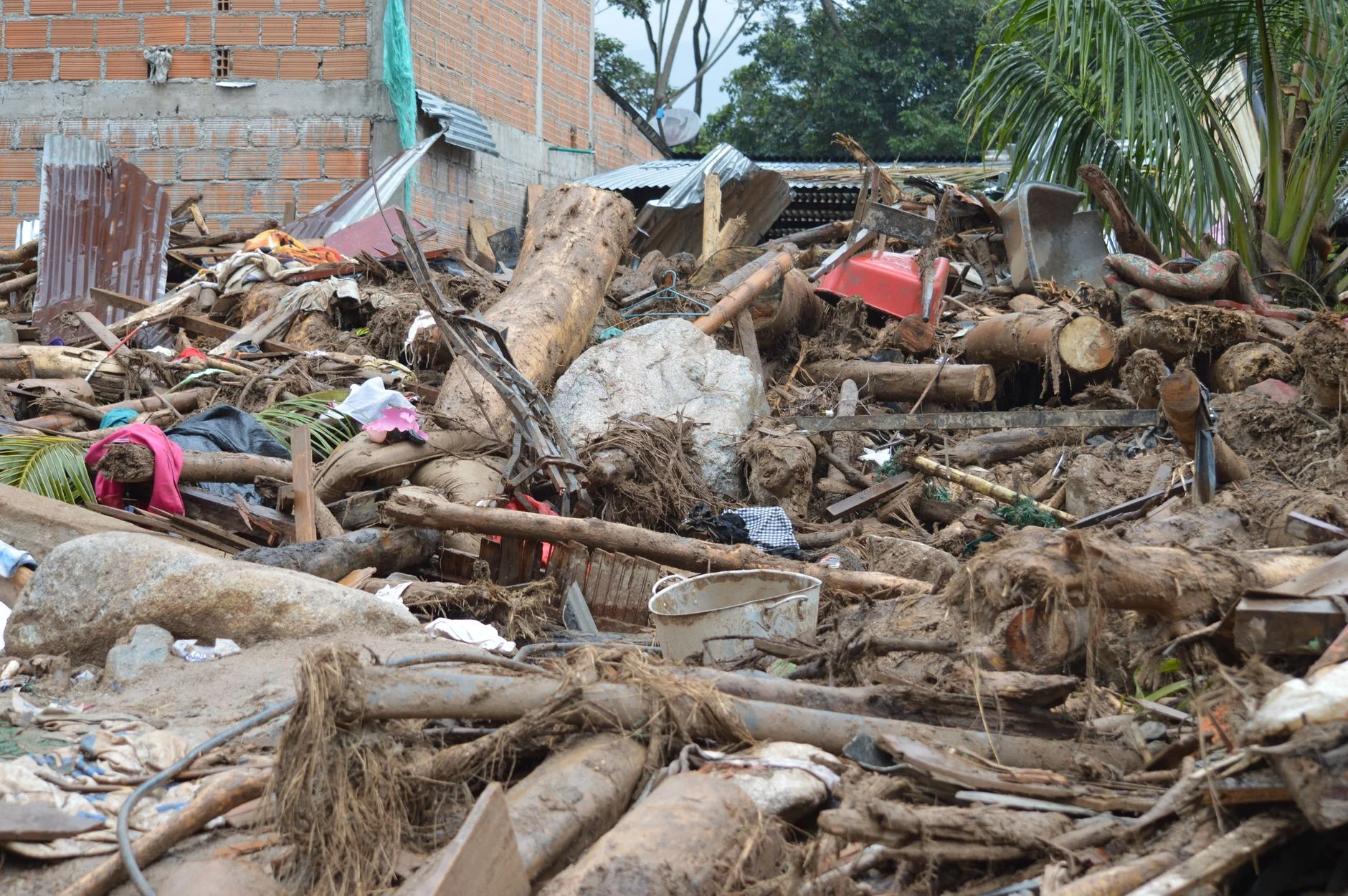

Innovations in Infrastructure: Building Resilience Against Natural Disasters
What Happened
Contemporary infrastructure development has increasingly prioritized resilience in the face of natural disasters. Across multiple regions globally, engineers and architects have integrated advanced materials, adaptive design principles, and smart monitoring systems into new and existing structures. These innovations reflect a strategic response to the intensifying frequency and severity of natural hazards such as earthquakes, hurricanes, floods, and wildfires. The ongoing evolution in infrastructure design signals a paradigm shift from reactive reconstruction towards proactive risk mitigation and durability.
Why It Matters
The imperative to enhance structural resilience is rooted in the profound human, economic, and environmental costs associated with disaster-related infrastructure failure. Critical facilities—hospitals, transportation networks, energy grids, and water systems—must maintain operability during and after extreme events to ensure public safety and continuity of essential services. Moreover, resilient infrastructure supports broader climate adaptation strategies and sustainable development goals by reducing recovery times and limiting resource expenditure on repairs. The systemic integration of resilience principles fosters communities better equipped to withstand shocks and facilitates long-term economic stability.
Industry Context
The infrastructure sector has traditionally emphasized cost-efficiency and standard compliance, but emerging risk landscapes have prompted reconsideration of design and construction frameworks. International organizations, regulatory bodies, and engineering consortia now advocate for resilience as a core criterion. This includes revising building codes to incorporate hazard-specific performance standards and promoting the use of innovative materials such as ultra-high-performance concrete and shape-memory alloys. Concurrently, digital technologies, including sensor networks and predictive analytics, enable real-time structural health monitoring and informed maintenance, enhancing adaptive capacity.
Analysis
Structural resilience advances manifest through several key trends. First, adaptive and flexible design approaches allow buildings and infrastructure to absorb, dissipate, or recover from stress without catastrophic failure. For example, base isolation and energy dissipation devices reduce seismic impacts on buildings. Second, the integration of nature-based solutions—such as mangrove restoration near coastal infrastructure—provides complementary protective functions against flooding and erosion. Third, modular and prefabricated construction techniques accelerate rebuilding efforts while incorporating resilient features at scale.
The deployment of smart infrastructure technologies is particularly transformative. Embedded sensors can detect minute changes in structural integrity, enabling preemptive interventions. Coupled with machine learning algorithms, these systems forecast vulnerabilities and optimize maintenance schedules, reducing lifecycle costs and enhancing safety. Furthermore, interdisciplinary collaboration between urban planners, engineers, climatologists, and policymakers is increasingly recognized as essential to designing context-specific resilience strategies that address local hazard profiles and socio-economic conditions.
Despite these advances, challenges remain. The upfront costs and technical complexity of resilient infrastructure can pose barriers, especially in low-resource settings. Additionally, regulatory frameworks and insurance models are still adapting to resilience metrics, which complicates investment decisions. Equally important is the need for community engagement and education to ensure that resilience measures align with societal needs and do not inadvertently create new vulnerabilities.
What to Watch Next
Future developments in resilient infrastructure will likely be driven by continued material innovation, enhanced data integration, and policy evolution. Advances in nanomaterials and bio-engineered composites offer potential for lighter, stronger, and self-healing structures. Expansion of digital twins and AI-driven simulations promises more precise risk assessments and dynamic adaptation capabilities. On the regulatory front, global harmonization of resilience standards and incentives for resilient investments may accelerate adoption. Monitoring how these dimensions unfold across diverse geographic and socio-economic contexts will be critical in assessing the efficacy and equity of resilience initiatives worldwide.