

What happened
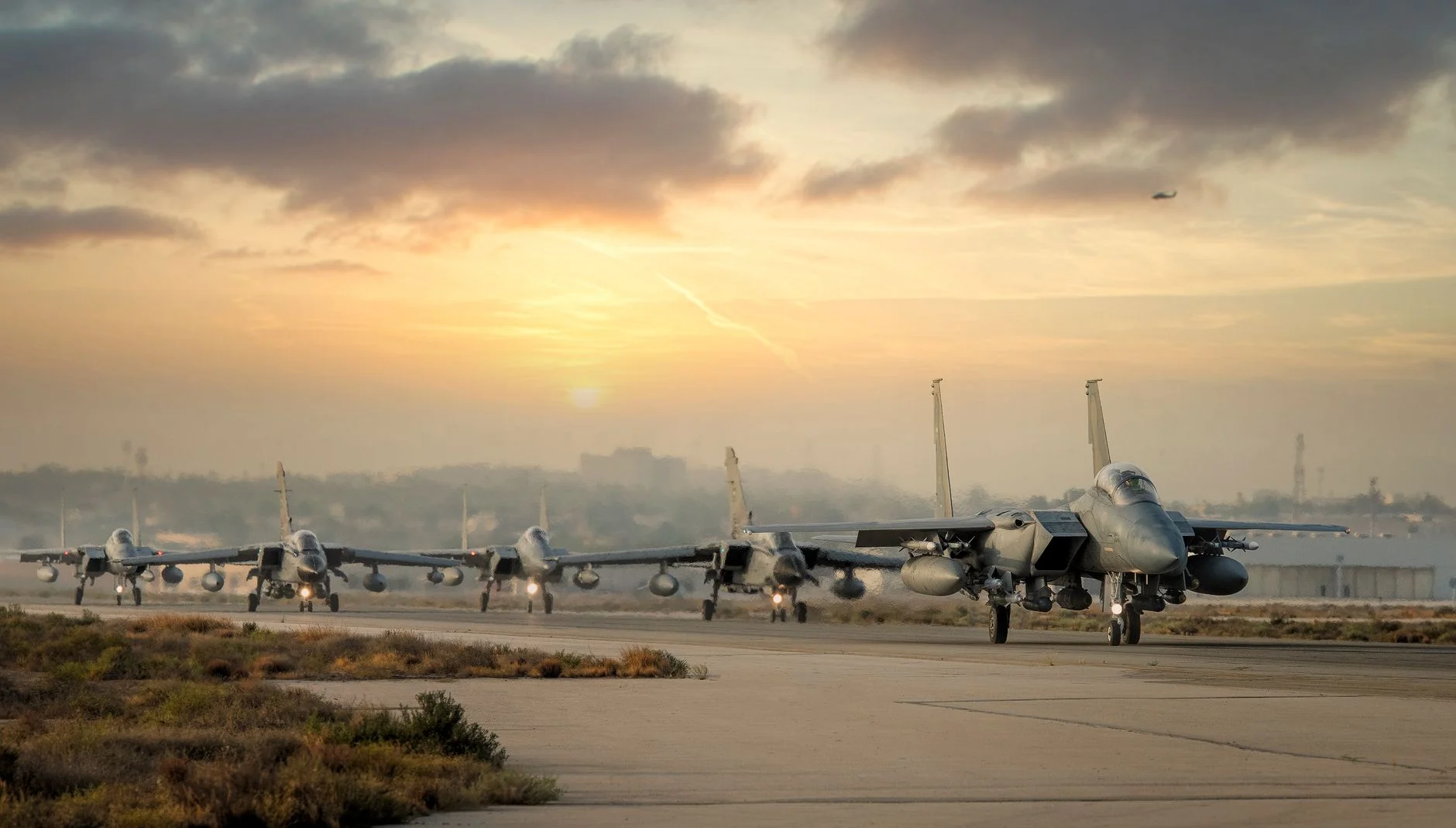
Foreign military bases have long been a fixture of international relations, serving as physical embodiments of strategic interests beyond a nation’s borders. These installations, ranging from small outposts to sprawling complexes, provide host states and foreign powers with a spectrum of military, economic, and diplomatic advantages. While specific developments fluctuate with geopolitical currents, the foundational role of such bases remains a constant factor in global power equations.
Why it matters
The presence of military bases abroad is a tangible assertion of influence and capability. They facilitate rapid deployment, intelligence gathering, and logistical support, amplifying a country’s ability to project power internationally. For host countries, these bases can be both a source of security and a point of contention, influencing domestic politics and bilateral relations. Understanding the strategic calculus behind foreign military bases is essential for comprehending broader patterns of alliance, deterrence, and rivalry that define contemporary geopolitics.
Industry context
Military infrastructure overseas intersects closely with defense industry dynamics, international security arrangements, and global trade routes. Defense contractors, logistics firms, and local economies often intertwine with the operational demands of foreign bases. Moreover, technological advancements shape how bases function, from surveillance capabilities to force mobility. The defense sector’s role in maintaining and modernizing these sites ensures that foreign military bases remain pivotal nodes in the global security architecture.
Analysis
Foreign military bases serve multiple strategic purposes: deterrence, power projection, alliance reassurance, and regional stabilization. They often reflect a calculated balance between demonstrating strength and managing diplomatic sensitivities. The location of these bases—whether near flashpoints, along critical maritime corridors, or in politically volatile regions—reveals the priorities and threat perceptions of their operators.
However, bases abroad also carry inherent risks and challenges. They can become focal points for local opposition or insurgency, complicate relations with neighboring states, and expose the host nation to external conflicts. The sustainability of such bases depends on political will, economic cost-benefit assessments, and evolving military doctrines. Additionally, the interplay between permanent bases and more transient deployments highlights shifts in strategic flexibility versus commitment.
Technological evolution increasingly influences the utility and design of foreign bases. Advances in unmanned systems, cyber operations, and long-range precision weaponry prompt a reassessment of traditional basing strategies. This can lead to a diversification of presence models, including smaller, more agile installations or reliance on allied access agreements rather than large permanent facilities.
What to watch next
Future developments in the role of foreign military bases will hinge on several factors. Changes in global power distribution, evolving security threats, and new domains of conflict such as space and cyber will redefine strategic priorities. Observers should monitor how states adapt their basing strategies in response to these shifts, including potential expansions, contractions, or relocations of facilities.
Additionally, the diplomatic negotiations surrounding basing rights and host nation agreements will remain critical indicators of international alignments and tensions. The capacity of foreign bases to integrate emerging technologies and respond to hybrid warfare challenges will also shape their relevance in the coming decades.
Ultimately, foreign military bases will continue to serve as barometers of international power projection and geopolitical intent, warranting sustained analytical attention beyond immediate news cycles.