








- Longevity in the restaurant industry depends on nuanced operational adaptability beyond conventional business frameworks.
- Long-term success often stems from deep community integration and evolving customer relationships rather than rapid expansion or trend-chasing.
- Financial resilience in hospitality requires managing unpredictability through conservative capital allocation and flexible cost structures.
- Traditional business education underrepresents the emotional and cultural complexities intrinsic to sustaining a restaurant over decades.
The Untaught Art of Restaurant Longevity: Lessons from a Chicago Institution
What happened
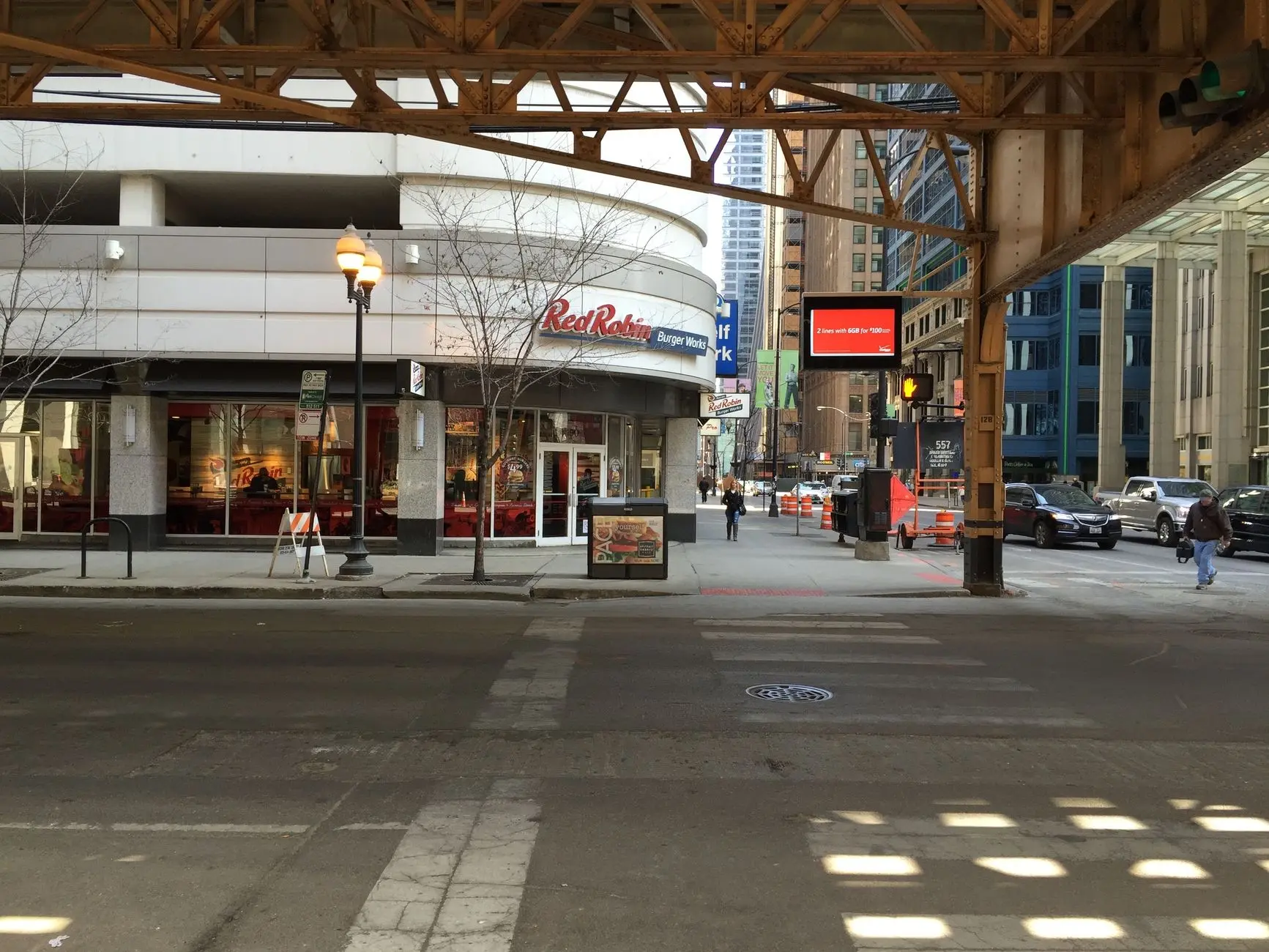
A Chicago restaurant, operational for nearly 30 years, has quietly defied the notoriously high failure rates of the dining industry. Rather than making headlines for rapid growth or celebrity endorsements, it has persisted through multiple economic cycles, shifting consumer preferences, and intensified competition. Its survival story offers a unique window into the less-discussed mechanisms that underpin enduring success in a sector where most businesses shutter within the first few years.
Why it matters
The restaurant industry consistently ranks among the most volatile markets globally, with failure rates often exceeding 60% within the first three years. This volatility is compounded by external pressures such as fluctuating commodity prices, regulatory changes, and evolving health standards. Understanding the factors that enable an establishment to persist for decades challenges prevailing assumptions about hospitality management and offers valuable insights for restaurateurs, investors, and policymakers concerned with economic resilience and cultural preservation.
Industry context
Historically, restaurant management education and literature prioritize launch strategies, branding, and short-term profitability. Business schools and culinary programs focus largely on operational efficiency, marketing innovation, and scaling models. However, the average lifespan of restaurants remains remarkably short, suggesting a significant disconnect between academic preparation and practical longevity. Industry analyses frequently highlight the impact of external shocks—economic downturns, pandemics, labor shortages—but less attention is given to the relational and adaptive strategies that sustain businesses over decades.
Analysis
The Chicago restaurant’s endurance illuminates several underappreciated dynamics. First, its leadership has embraced incremental operational adjustments rather than wholesale reinventions. This approach reflects a conservative capital management philosophy—avoiding overextension in both physical assets and labor commitments. Second, the establishment has cultivated a symbiotic relationship with its local community, embedding itself not just as a service provider but as a cultural touchstone. This relational capital acts as a buffer against market fluctuations, creating a steady demand base rooted in loyalty over novelty.
Moreover, the restaurant’s approach to menu evolution—balancing tradition with selective innovation—demonstrates a strategic tension between consistency and relevance. This balancing act is rarely taught in formal education, where innovation often trumps preservation. The tacit knowledge accrued over decades, including nuanced supplier relationships and labor management practices, contributes to operational elasticity vital in navigating crises.
Financially, the business exemplifies risk management through diversified revenue streams and maintaining liquidity margins that allow for weathering downturns. This contrasts with industry trends favoring aggressive expansion and high leverage, which amplify vulnerability.
The emotional labor and cultural fluency required to sustain such an institution—often mediated through multi-generational ownership or management—highlight the limits of quantitative metrics in predicting longevity. These human factors shape decision-making in ways that evade traditional business models focused on scale and efficiency.
What to watch next
As the restaurant sector continues to face structural challenges—including labor market shifts, rising input costs, and changing consumer behaviors—the lessons from long-standing establishments deserve closer scrutiny. Future research and educational curricula might benefit from incorporating case studies that focus specifically on longevity strategies, community embeddedness, and adaptive operational frameworks.
Policymakers interested in supporting small businesses could consider how regulatory and financial instruments might better align with the needs of enduring but modestly scaled enterprises rather than predominantly incentivizing rapid growth. Observers should also monitor whether the post-pandemic recovery period catalyzes a reevaluation of success metrics in hospitality, shifting from expansion and innovation toward sustainability and resilience.
Ultimately, the quiet persistence of institutions like this Chicago restaurant challenges the industry to rethink what it means to thrive—not just in the short term, but across generations.
Ask AI about this story
Answers are based on this article and SN Media’s related coverage. AI can make mistakes.
Frequently asked questions
What factors contributed to the Chicago restaurant's nearly 30 years of success?
The restaurant's longevity is attributed to incremental operational adjustments, conservative capital management, strong community integration, balanced menu evolution, diversified revenue streams, and emotional labor often linked to multi-generational management.
How does traditional business education fall short in preparing restaurateurs for long-term success?
Traditional education emphasizes launch strategies, branding, and scaling rather than the emotional, cultural, and adaptive complexities needed for sustaining a restaurant over decades, leaving a gap between academic preparation and practical longevity.
What financial strategies has the restaurant used to remain resilient?
The restaurant employs conservative capital allocation, maintains liquidity margins, and diversifies revenue streams to manage risk and weather economic downturns, contrasting with industry trends of aggressive expansion and high leverage.
What implications does this restaurant's story have for future industry practices and policies?
The story suggests a need for educational curricula and policies to focus more on longevity, community embeddedness, and operational adaptability rather than rapid growth, and for policymakers to support modestly scaled, enduring enterprises through aligned regulatory and financial instruments.
Continue the story
 BACKGROUND · How we got here
Three Decades of Restaurant Management: Lessons from Richard Mott’s Hospitality Journey