
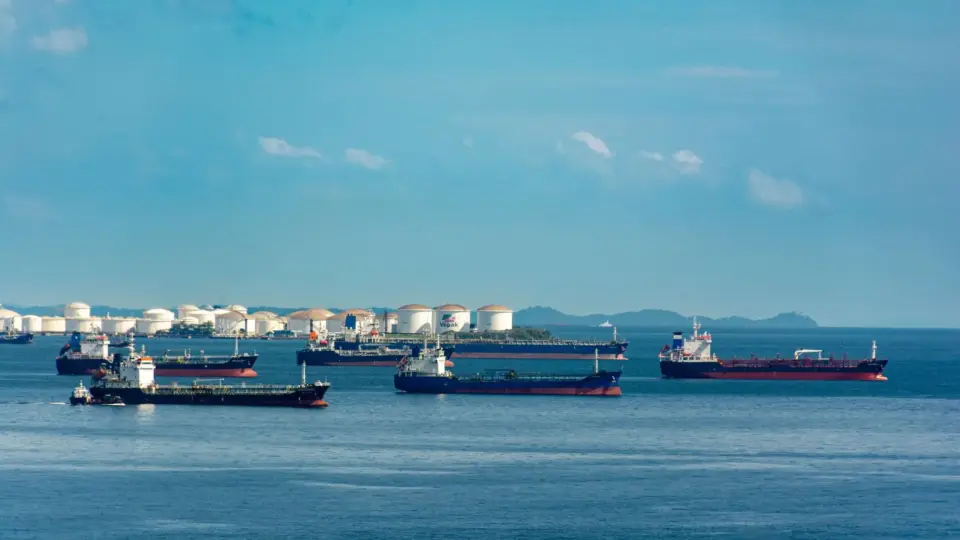





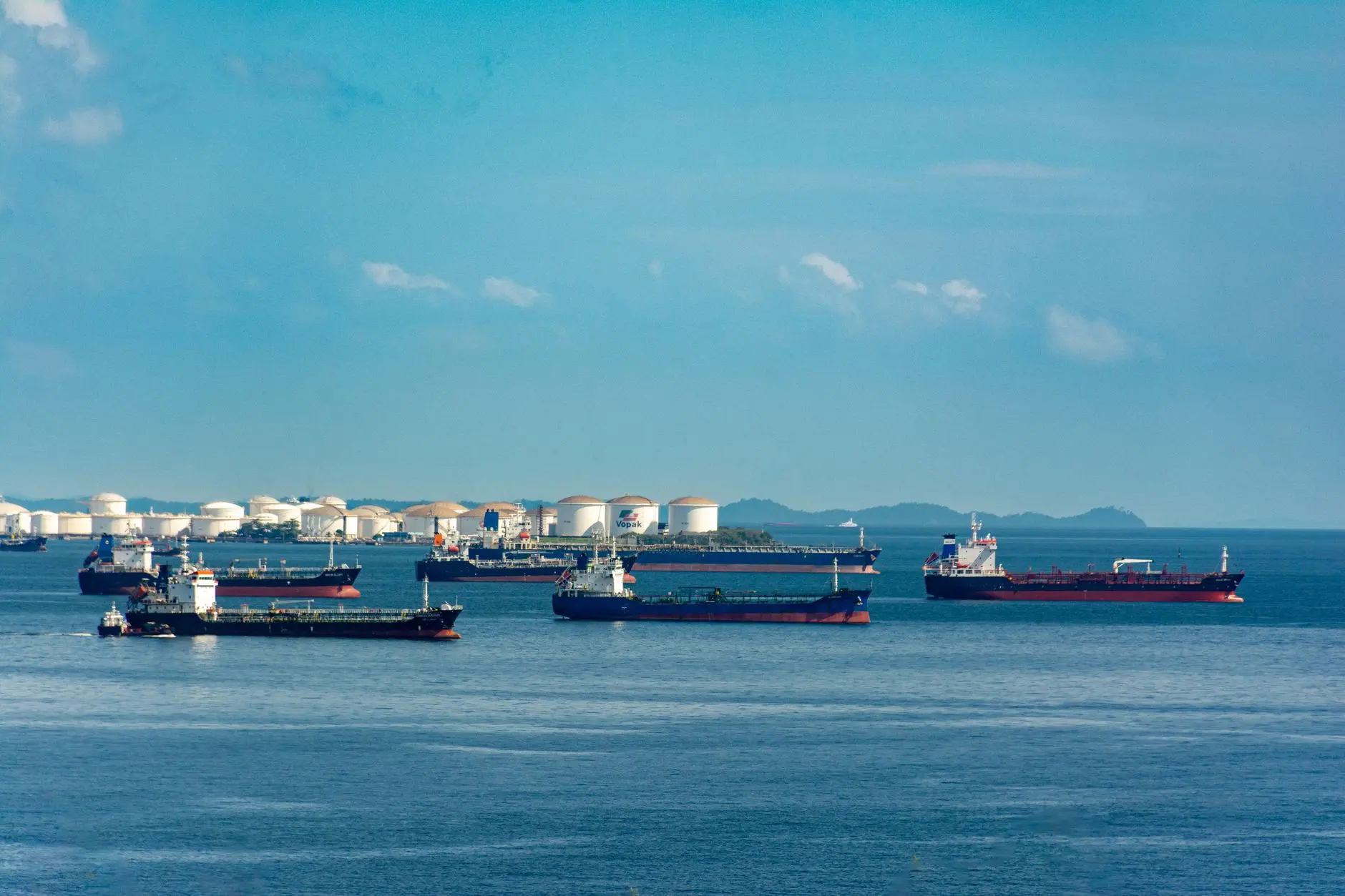
- The US is formalizing the legal status of select ‘dark fleet’ oil tankers, previously operating outside regulatory oversight.
- This move aims to enhance crude oil transportation capacity amid ongoing supply chain vulnerabilities and geopolitical pressures.
- Legalization introduces a framework for monitoring, compliance, and integration of these vessels into official maritime and trade systems.
- The policy shift reflects broader tensions between energy security imperatives and environmental, safety, and transparency concerns.
What happened
The US government has initiated a policy change to legalize certain oil tankers from the so-called ‘dark fleet’—a collection of vessels that have traditionally operated outside formal regulatory frameworks, often obscuring their ownership, cargo, or routes. This decision, announced in October 2026, authorizes these ships to register and comply with US maritime and energy regulations, effectively bringing them into the legal fold. The move is positioned as a response to persistent challenges in crude oil transportation capacity and aims to expand the fleet available for domestic and international oil movement.
Why it matters
Legalizing dark fleet tankers has significant implications for US energy logistics and geopolitical strategy. By formalizing these vessels’ status, the government seeks to alleviate bottlenecks in crude oil shipping that have strained supply chains, particularly as global markets remain volatile due to fluctuating demand and geopolitical risks. Moreover, integrating these vessels into regulated frameworks enhances transparency and accountability, potentially reducing illicit activities such as sanctions evasion or environmental non-compliance. However, this also raises questions about the rigor and enforcement of new oversight measures and the balance between expanding transport capacity and upholding safety and environmental standards.
Industry context
The dark fleet encompasses a network of oil tankers that have evaded standard registration and oversight, often to circumvent sanctions or avoid scrutiny over cargo origin and destination. These vessels have played a shadowy yet substantial role in sustaining global crude flows, particularly amid sanctions regimes targeting countries like Iran and Venezuela. The US, as a major oil producer and consumer, depends heavily on efficient maritime transport for both domestic distribution and exports. Recent supply chain disruptions—stemming from geopolitical conflicts, sanctions, and infrastructure limitations—have exposed vulnerabilities in oil logistics. Concurrently, regulatory bodies have grappled with balancing enforcement against the operational realities of a fragmented global tanker fleet. This policy shift reflects a strategic recalibration in addressing these intertwined challenges.
Analysis
The decision to legalize certain dark fleet tankers illustrates a pragmatic recognition of the limitations inherent in excluding these vessels from formal trade networks. By bringing them under regulatory oversight, the US government can impose standards on vessel safety, environmental compliance, and cargo tracking, thereby mitigating some risks associated with their prior unregulated status. This move also tightens control over the flow of crude oil, as registered vessels are subject to inspections and reporting requirements. However, this integration is not without trade-offs. The process involves vetting vessels and owners with complex histories, which may strain regulatory resources and raise concerns about enforcement consistency. Environmental watchdogs may view this legalization skeptically, fearing it could legitimize practices previously hidden from scrutiny. Economically, expanding the pool of legal tankers could reduce shipping costs and improve flexibility, but it also underscores the fragility of existing maritime infrastructure and the need for long-term investment in fleet renewal.
What to watch next
Future developments will hinge on how effectively regulatory agencies implement and enforce the new framework governing these formerly shadowy tankers. Stakeholders should monitor changes in compliance rates, incident reports, and transparency metrics related to dark fleet vessels now operating legally. The policy’s impact on crude oil shipping costs and supply chain resilience will also be critical indicators of success. Additionally, international reactions—particularly from trading partners and competitors affected by these changes—may influence the US approach to maritime regulation and sanction enforcement. Finally, evolving environmental and safety standards will test the balance between unlocking transport capacity and maintaining rigorous oversight in the increasingly complex arena of global energy logistics.
Ask AI about this story
Answers are based on this article and SN Media’s related coverage. AI can make mistakes.
Frequently asked questions
What is the US government's new policy regarding 'dark fleet' oil tankers?
The US government has legalized certain 'dark fleet' oil tankers by allowing them to register and comply with US maritime and energy regulations, bringing previously unregulated vessels under formal oversight.
Why is the US legalizing these previously unregulated oil tankers?
The legalization aims to increase crude oil transportation capacity to address supply chain vulnerabilities and geopolitical pressures, while enhancing transparency and accountability in the oil shipping sector.
What are the potential risks or concerns related to this policy shift?
Concerns include the challenges of vetting vessels and owners with complex histories, potential enforcement inconsistencies, and skepticism from environmental groups about legitimizing previously hidden practices.
What factors will determine the success of integrating these tankers into the legal framework?
Success will depend on effective regulatory enforcement, improvements in compliance and transparency, impacts on shipping costs and supply chain resilience, and how well environmental and safety standards are maintained.
Continue the story
 BACKGROUND · How we got here
The Historical Lessons of the 1973 Arab Oil Embargo for Today’s Energy Policies
- BACKGROUND · How we got here Global Fuel Supply Chains Under Strain: How Geopolitics Are Driving Diesel Prices Up
- BACKGROUND · How we got here Global Energy Markets Brace for Impact as G7 Releases 100 Million Barrels of Oil and Diesel
- BACKGROUND · How we got here Strategic Implications of Iran’s Firm Stance on the Strait of Hormuz
- BACKGROUND · How we got here Europe’s Strategic Fuel Reserves: Can Releasing Stocks Ease Diesel Price Inflation?